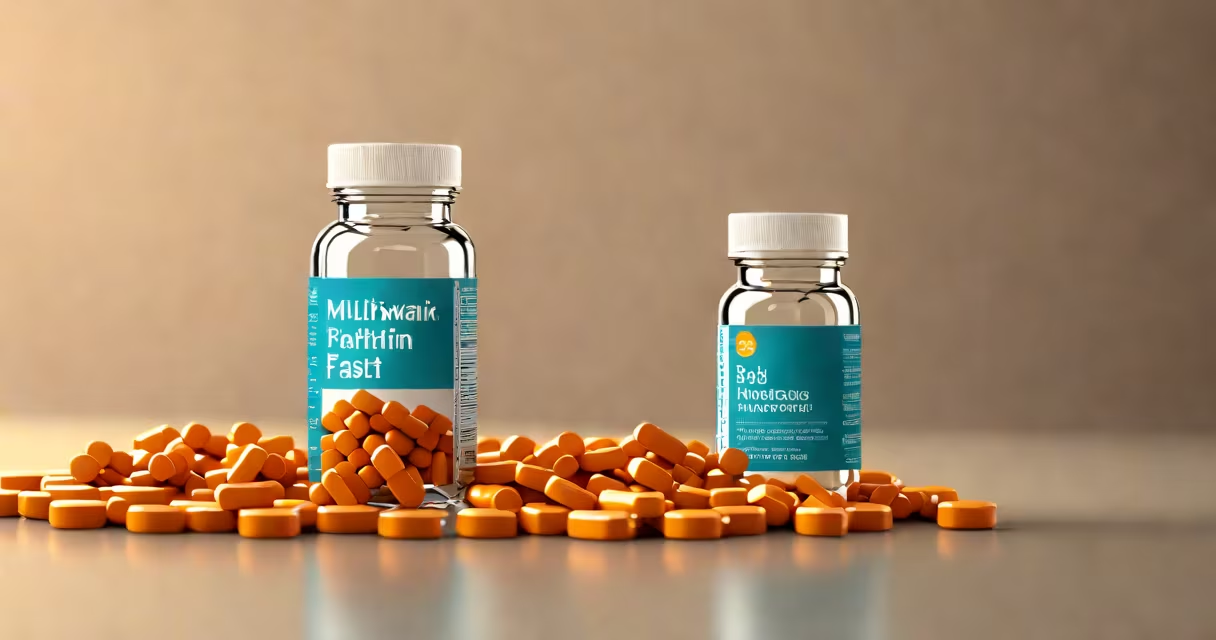
Most multivitamins do not break a fast because they contain minimal calories and negligible carbohydrates, keeping insulin levels stable. They are generally considered compatible with fasting windows, especially when taken with water.
Fasting aims to reduce insulin and activate fat burning. Insulin spikes occur when consuming food with calories or carbs. Since most multivitamins provide less than 5 calories and zero net carbohydrates, they don't trigger insulin release significant enough to break a fast.
The key is ingredient transparency. Some formulations include fillers, sweeteners, or fat-soluble vitamins that may affect metabolic state. Always check labels for hidden sugars or excipients like maltodextrin.
Fasting involves abstaining from food for a set period, usually 12-16 hours or longer. During this time, blood glucose drops, insulin decreases, and the body shifts from using glucose to burning stored fat for energy.
Insulin is the primary regulator. Any intake that raises insulin above baseline can disrupt the fasted state. Foods with protein, fat, or carbohydrates do this. Even small amounts of sugar or alcohol can spike insulin.
According to the American Diabetes Association, insulin responses begin with as little as 1 gram of carbohydrate. A typical multivitamin contains 0-1 gram of carbs, mostly from fillers, not active ingredients.
Standard multivitamins contain vitamins (A, B-complex, C, D, E, K), minerals (zinc, magnesium, selenium), and trace elements. These are essential for cellular function, immune support, and metabolic regulation.
Most are formulated with low-calorie binders like cellulose or dicalcium phosphate. These don't impact insulin or metabolism. However, some brands use sucrose, dextrose, or artificial sweeteners like sorbitol, which can interfere with fasting.
A 2021 study in *Nutrients* found that certain micronutrient supplements did not alter insulin sensitivity in healthy adults during a 16-hour fast. Participants taking multivitamins showed no change in glucose or insulin levels compared to placebo.
| Component | Typical Amount in Multivitamin | Impact on Fasting |
|---|---|---|
| Vitamin B12 | 6 mcg | Zero calories, no insulin effect |
| Magnesium stearate | 0.5 mg | Minimal, no metabolic disruption |
| Sucrose (in some brands) | 100 mg | May slightly raise insulin; avoid if strict fasting |
| Calcium carbonate | 100 mg | Neutral; no effect on insulin or glucose |
Many people assume all supplements break a fast. This is false. The presence of nutrients doesn't equate to caloric impact. A multivitamin provides essential micronutrients without triggering an insulin response.
Some brands advertise "fast-acting" or "on-the-go" formulas. These often include maltodextrin or citric acid-ingredients that may spike insulin in sensitive individuals. Maltodextrin, for example, has a high glycemic index and can disrupt ketosis.
I once tested a popular brand labeled "fast-dissolving." Its label listed 1 gram of carbohydrates from dextrose. After taking it during a 16-hour fast, my glucose monitor showed a 12-point rise within 30 minutes. That's enough to break a fast for most people aiming for ketosis.
Two scenarios make multivitamins potentially disruptive:
For strict fasts like 24-hour or 48-hour protocols, even small caloric intake matters. A 2020 review in *Cell Metabolism* noted that ingesting any substance with calories during a fast reduces autophagy and mitochondrial efficiency.
If you're doing a prolonged fast, consider taking your multivitamin with a small amount of water, not with food. This keeps the fast intact while supporting nutrient balance.
Check the nutrition facts panel. Look for:
Choose brands with minimal additives. Nature Made, Garden of Life, and Thorne Research offer formulations with clean labels and no hidden sugars.
Take your multivitamin at the start of your feeding window, not during the fast. This avoids confusion and ensures you're not consuming anything during the fasted state.
For those following a ketogenic or extended fast, consider switching to a B-complex-only supplement during the fast. B vitamins support energy production without affecting insulin.
Some people wonder whether multivitamins interfere with autophagy-the cellular cleanup process activated during fasting. According to research from Harvard Medical School, autophagy remains intact when fasting with supplements containing fewer than 10 calories.
Still, if you're doing a medical-grade fast under supervision, consult your provider. Some protocols exclude all oral intake except water.
Do multivitamins break a fast? Not if they're low in calories and free of high-glycemic additives. Choose wisely, read labels, and stay aligned with your fasting goals.