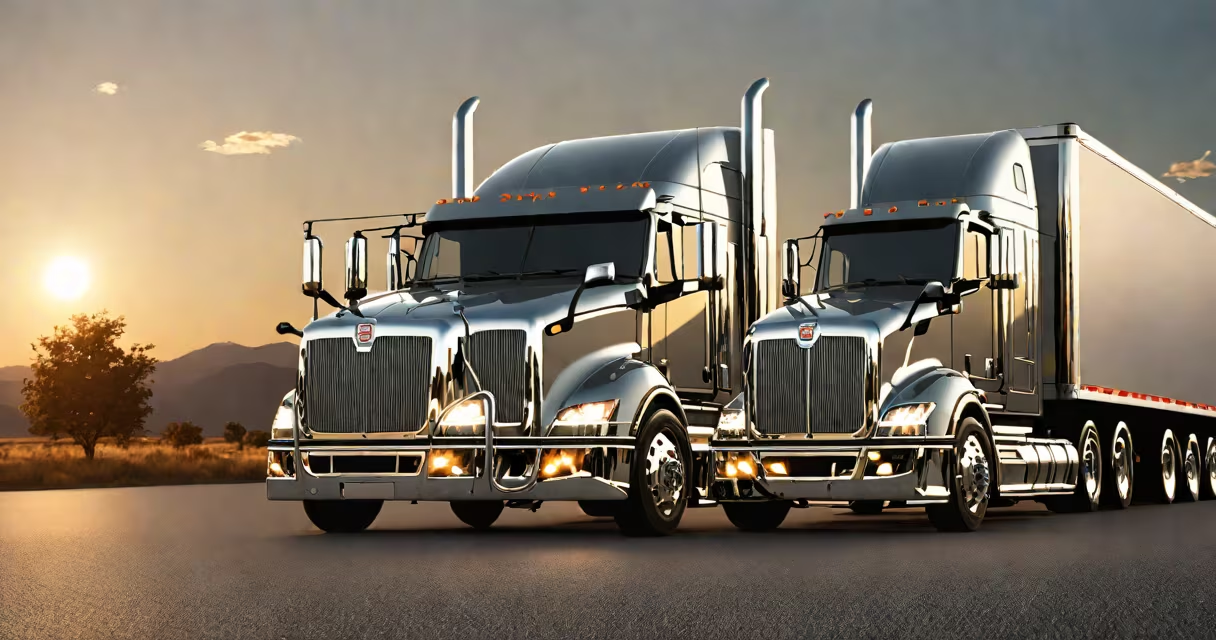
A class 1 driver holds the highest level of commercial driver's license (CDL) in Canada, authorizing operation of the largest and most complex commercial vehicles, including tractor-trailers, buses, and specialized transport rigs. This license permits driving vehicles with a gross combination weight rating (GCWR) exceeding 11,793 kg, including those towing trailers over 4,536 kg.
Class 1 drivers operate vehicles that require advanced mechanical understanding, strict adherence to safety regulations, and extensive training. They are responsible for transporting freight across provinces, managing hazardous materials, or operating public transit systems. The license is issued by provincial governments under the National Safety Code, with standardized testing and medical requirements.
Each province enforces its own application process, but all require written exams, skills tests, and a physical examination confirming vision, hearing, and fitness. Drivers must also pass a background check and demonstrate knowledge of federal and provincial transportation laws.
To earn a class 1 license, applicants must first hold a valid class 5 driver's license and complete a minimum of 16 hours of classroom instruction in topics such as vehicle dynamics, load securing, and defensive driving. Training includes both theoretical modules and supervised on-road practice with a certified instructor.
The practical test assesses control of large vehicles in urban and highway environments. Candidates must perform maneuvers like backing into tight spaces, turning wide corners, and handling emergency stops. The test lasts approximately 90 minutes and is scored against a detailed checklist maintained by Transport Canada.
After passing, drivers receive a temporary license valid for 90 days while their records are processed. Final issuance takes 10-14 business days. Renewal occurs every five years, requiring a new medical exam and a review of driving history.
Class 1 drivers operate vehicles exceeding 11,793 kg GCWR. Common examples include:
These vehicles often require coordination with dispatch teams, adherence to strict delivery schedules, and compliance with Hours of Service (HOS) rules. For example, a class 1 driver transporting refrigerated cargo between Toronto and Vancouver must maintain temperature logs, document fuel consumption, and record daily rest periods.
Some roles demand additional endorsements. A class 1 driver transporting dangerous goods must hold a "D" endorsement, which requires completing a 16-hour course in hazard identification and spill response. Failure to secure proper endorsements results in fines up to $50,000 and potential license suspension.
Many assume a class 1 license allows operation of all large vehicles. This is incorrect. The license does not cover aircraft, marine vessels, or railcars. It applies strictly to road-based commercial vehicles with specific weight and configuration thresholds.
Another misconception is that class 1 drivers work only in long-haul freight. While many do, others serve in municipal transit, school bus operations, or emergency response logistics. A class 1 driver may work for a city's waste management department, operating a 26,000 kg garbage truck with automated side-loading systems.
Class 1 differs from class 2 and class 3 licenses in scope and authority. Class 2 covers buses and large trucks under 11,793 kg GCWR. Class 3 applies to smaller commercial vehicles like delivery vans and small tankers. A class 1 driver cannot legally operate a class 3 vehicle without a separate endorsement.
| License Class | Max GCWR | Typical Vehicles | Endorsements Required |
|---|---|---|---|
| Class 1 | Over 11,793 kg | Tractor-trailers, double trailers, passenger buses | D (dangerous goods), N (tanker), P (passenger) |
| Class 2 | Up to 11,793 kg | Buses, large delivery trucks | P (passenger), S (school bus) |
| Class 3 | Up to 11,793 kg | Small tankers, delivery vans | T (tanker), M (municipal transit) |
One non-obvious fact: class 1 drivers are required to carry a logbook even when using electronic logging devices (ELDs). According to Transport Canada's Motor Carrier Safety Regulations, paper logs must be available for inspection at all times. This rule prevents reliance on technology during audits.
In 2022, I observed a class 1 driver in Alberta manage a 40-foot refrigerated trailer carrying pharmaceuticals from Calgary to Edmonton. The driver maintained a constant speed of 85 km/h on the highway, adjusted cooling settings based on weather reports, and documented each stop in a digital log. During a mandatory 30-minute break, they performed a walk-around inspection, checking tire pressure, brake lines, and cargo straps.
This scenario reflects standard practice. The driver was not permitted to drive beyond 11 hours in a single day, even with a 10-minute break every 2 hours. Violations result in immediate suspension and fines up to $10,000 per offense.
For those preparing to enter the field, a short love message can help reinforce focus during training. Staying calm under pressure is critical. One mistake in load distribution can cause a rollover at speeds above 60 km/h.
Class 1 driver status is not a permanent designation. It requires ongoing education, periodic recertification, and consistent compliance with safety standards. Drivers who accumulate demerit points or fail drug tests face automatic suspension.
Understanding the responsibilities tied to this license ensures safe operation and legal compliance. Whether transporting goods across provinces or driving a school bus through winter storms, class 1 drivers play a important role in national infrastructure.