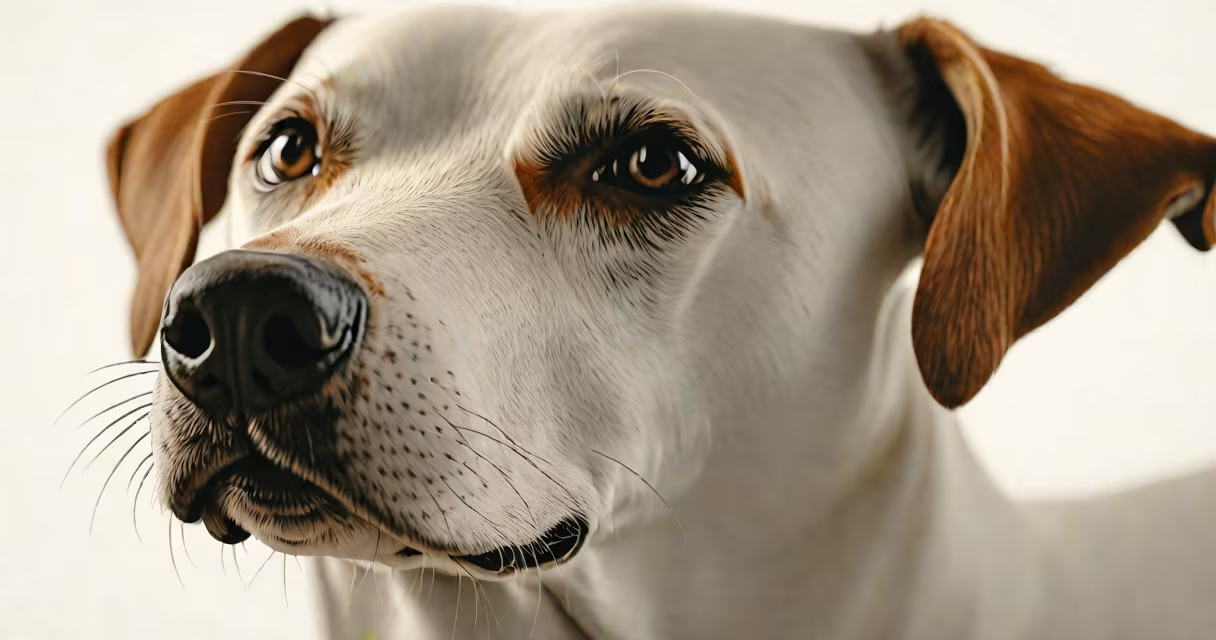
Dogs shake their heads to clear debris, relieve itchiness, or respond to pain, but persistent shaking may signal an underlying health issue requiring treatment. This behavior is not normal if it occurs frequently or is accompanied by discomfort.
Head shaking in dogs often results from irritation in the ear canal. Common causes include ear mites, bacterial or fungal infections, foreign objects like grass seeds, or allergies. More serious conditions such as inner ear disease, neurological disorders, or seizures can also trigger head movements. Identifying the root cause is essential before attempting remedies.
Some breeds, especially those with floppy ears like Cocker Spaniels or Basset Hounds, are prone to recurrent ear infections due to trapped moisture and poor airflow. These dogs may shake their heads multiple times daily. A sudden onset of head shaking after swimming or playing in tall grass increases suspicion of a foreign body in the ear.
Dogs use the muscles around the jaw and ear canal to rapidly move their heads side to side or up and down. This motion helps dislodge water, dirt, or insects from the ear canal. The reflex is automatic and can happen several times in quick succession.
When the ear canal becomes inflamed or infected, the nervous system sends signals that trigger involuntary shaking. Pain receptors in the ear drum or outer ear can amplify this response. For example, a dog with otitis externa may shake its head repeatedly even when not exposed to stimuli.
A 2021 study published in Veterinary Dermatology found that 68% of dogs presenting with head shaking had an underlying ear infection confirmed via otoscopy. This highlights that head shaking is rarely a standalone symptom-it's a sign of something else.
Not all head shaking stems from the same problem. The following table outlines the most frequent reasons and distinguishing features:
| Condition | Key Symptoms | Diagnostic Method | Treatment |
|---|---|---|---|
| Ear infection (otitis externa) | Shaking, redness, odor, discharge, pawing at ear | Otoscopy, cytology | Topical antibiotics, antifungals, cleaning |
| Ear mites | Black crumbly debris, intense itching, head shaking | Microscopic exam of ear swab | Parasiticides (e.g., selamectin) |
| Foreign body (e.g., grass seed) | Sudden onset, unilateral shaking, head tilting | Imaging (CT/MRI), otoscopy | Removal under sedation |
| Seizure or neurological event | Uncontrolled shaking, loss of balance, staring, collapse | Neurological exam, MRI | Anticonvulsants, monitoring |
One non-obvious distinction: head shaking due to ear issues usually affects one ear only. If both ears are involved, the cause is more likely systemic-such as allergies or a generalized infection. A dog with bilateral head shaking and ear discharge should be evaluated for yeast overgrowth, which is common in breeds like Poodles and Shih Tzus.
I once observed a 4-year-old Border Collie that shook its head every few minutes during walks. The owner assumed it was playful behavior. After a vet visit, a grass seed was found lodged deep in the left ear canal. Removal required sedation and a follow-up antibiotic course. The shaking stopped within 48 hours.
Do not delay if your dog shakes its head more than twice daily, especially with signs of pain, discharge, or head tilt. Early intervention prevents chronic damage to the ear canal and reduces the risk of hearing loss.
Immediate veterinary attention is needed if head shaking is accompanied by staggering, drooling, facial twitching, or collapse. These symptoms may indicate a seizure or brain-related condition. The Merck Veterinary Manual notes that seizures involving head movement are often focal and can originate in the temporal lobe.
If you're unsure whether the shaking is abnormal, monitor for changes in behavior. A dog that previously didn't shake its head suddenly doing so after exposure to a new environment (like a forest trail) may have picked up a foreign object. Document frequency, duration, and triggers to share with your vet.
First, avoid inserting anything into the ear canal. Cotton swabs can push debris deeper or injure the eardrum. Instead, clean the outer ear with a vet-approved solution designed for dogs.
For mild cases caused by moisture, dry the ear gently with a soft cloth after bathing or swimming. Use a drying agent like a 50/50 mix of white vinegar and water (one part vinegar to two parts water) only if recommended by your vet. Do not use alcohol-based solutions-they irritate sensitive tissues.
If infection is suspected, see your veterinarian. Treatment depends on the diagnosis. For example, a dog with a yeast infection may require a medicated shampoo and topical antifungal drops. A dog with ear mites needs a prescription parasiticide applied to the skin behind the ears.
Never treat head shaking based on online advice alone. Misdiagnosis leads to ineffective or harmful treatments. A dog with a seizure disorder mislabeled as "ear infection" may receive antibiotics that do nothing and delay proper care.
Stopping dog from shaking head begins with identifying the cause. Addressing the root issue-whether it's an infection, allergy, or neurological event-leads to lasting relief. Ignoring persistent shaking risks permanent ear damage or systemic illness.