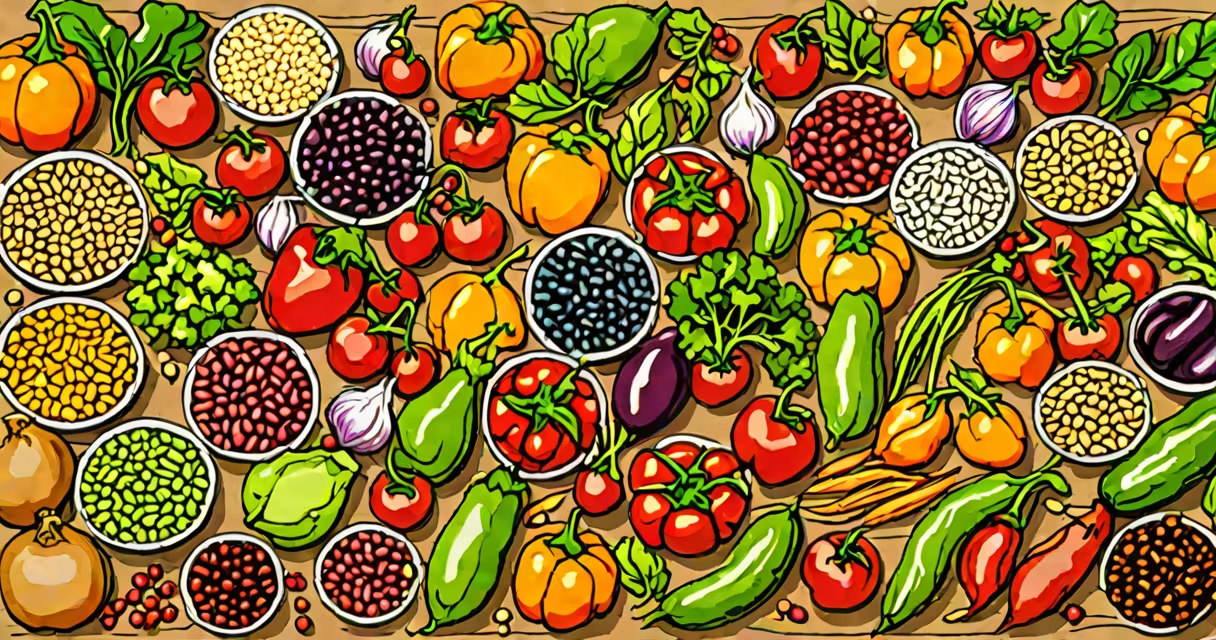
If your vegetarian what can you eat? A vegetarian diet excludes meat, poultry, and fish but includes plants, dairy, eggs, and sometimes honey. It relies on whole grains, legumes, vegetables, fruits, nuts, seeds, and dairy or eggs for nutrition. This approach supports heart health, weight management, and reduced environmental impact.
Vegetarian diets are not monolithic. Lacto-ovo vegetarians include both dairy and eggs; ovo vegetarians consume only eggs; lacto vegetarians eat dairy but avoid eggs. Flexitarians occasionally eat meat but follow a mostly plant-based pattern. The core principle remains: no animal flesh.
According to the Academy of Nutrition and Dietetics, well-planned vegetarian diets meet all nutrient needs and reduce risk of type 2 diabetes, hypertension, and certain cancers. A 2021 review in Frontiers in Nutrition confirmed that vegetarians have lower BMI and improved lipid profiles compared to omnivores.
Plant-based foods form the foundation of a balanced vegetarian plate. These groups deliver essential macronutrients and micronutrients.
Whole grains: Brown rice, quinoa, oats, barley, and whole wheat bread provide complex carbohydrates, fiber, B vitamins, and iron. One cup of cooked quinoa delivers 8 grams of protein and 5.5 milligrams of iron-nearly 30% of the daily value for women.
Legumes: Lentils, chickpeas, black beans, and edamame are rich in protein, fiber, folate, and iron. Half a cup of cooked lentils contains 9 grams of protein and 6.6 milligrams of iron-more than a small chicken breast.
Fruits and vegetables: Leafy greens like spinach and kale offer calcium and vitamin K. Carrots and sweet potatoes supply beta-carotene. A single medium banana provides 422 milligrams of potassium-more than a glass of orange juice.
Protein intake is a common concern. Vegetarians obtain protein from diverse sources, often exceeding recommended daily amounts.
Tempeh, made from fermented soybeans, offers 15 grams of protein per 3-ounce serving. Tofu provides 10 grams per half-cup. Both are complete proteins, containing all nine essential amino acids.
Nuts and seeds contribute protein and healthy fats. Two tablespoons of peanut butter yield 7 grams of protein. Chia seeds deliver 4.7 grams per ounce. A quarter-cup of pumpkin seeds contains 5.2 grams.
I once prepared a tofu stir-fry using broccoli, bell peppers, snap peas, and tamari sauce. Served over brown rice, it totaled 32 grams of protein and 520 calories-enough for a satisfying lunch without animal products.
Many assume vegetarianism means eating only salads or tofu. That's inaccurate. A balanced diet includes variety, preparation skill, and attention to nutrient gaps.
One widespread error is underestimating iron absorption. Plant-based iron (non-heme) is less absorbable than heme iron from meat. Pairing iron-rich foods like spinach with vitamin C sources-such as oranges or red peppers-boosts absorption by up to 300%, per research from the Journal of Nutrition.
Another mistake is assuming all vegetarian foods are healthy. Processed meat substitutes like veggie hot dogs may contain high sodium and additives. A single serving can exceed 50% of the daily sodium limit.
Here's a breakdown of everyday vegetarian options categorized by meal type and nutritional role.
| Food Type | Examples | Key Nutrients | Protein (per 1 cup) |
|---|---|---|---|
| Legumes | Lentils, black beans, chickpeas | Iron, fiber, folate | 18 g |
| Whole Grains | Quinoa, farro, bulgur | B vitamins, magnesium | 6 g |
| Nuts & Seeds | Peanut butter, chia, flax, almonds | Healthy fats, omega-3s | 7-10 g |
| Dairy/Eggs | Milk, yogurt, cheese, eggs | Calcium, vitamin D, B12 | 8-12 g |
For breakfast, try overnight oats with chia seeds, berries, and almond milk. Lunch could be a lentil salad with feta, cucumbers, tomatoes, and olive oil. Dinner: baked sweet potato with black beans, avocado, and salsa.
When planning meals, aim for color variety. A rainbow of vegetables ensures a broad spectrum of phytonutrients. Limit processed substitutes-opt for whole-food alternatives whenever possible.
Not all plant-based foods are equal. Some should be consumed sparingly due to low nutrient density or high processing.
Avoid sugary plant-based snacks like chocolate-covered coconut flakes or fruit-flavored energy bars unless they're minimally processed. Check ingredient lists: if sugar appears in the first three items, reconsider.
Be cautious with store-bought meat analogs. Many contain isolated soy protein, sodium, and preservatives. Choose brands with fewer than five ingredients and no artificial flavors.
Some people mistakenly believe that skipping meat automatically leads to weight loss. Without mindful choices, vegetarian diets can still be high in refined carbs and added sugars. A study in Obesity found that 40% of vegetarians in the U.S. were overweight or obese-higher than expected.
Start with familiar dishes adapted to vegetarian standards. Swap ground beef in tacos for black beans. Replace chicken in curry with chickpeas or tofu.
Use herbs and spices to improve flavor. Cumin, turmeric, smoked paprika, and fresh cilantro add depth without relying on meat-based broths.
Plan weekly meals around staples: rice, lentils, frozen vegetables, canned beans, and seasonal produce. This reduces waste and simplifies grocery shopping.
Understanding what you can eat as a vegetarian isn't about restriction-it's about expanding your palate. With intentional choices, a vegetarian diet can be nutritious, sustainable, and delicious.