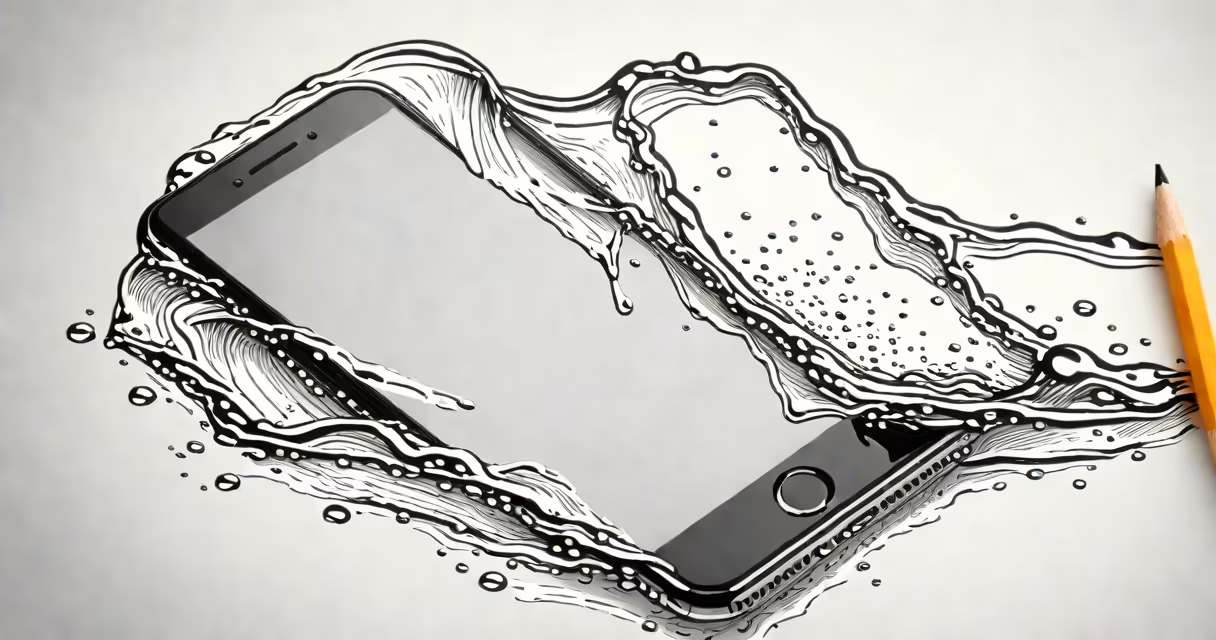
The iPhone 10 is rated IP68 for water resistance, meaning it can withstand immersion in up to 1.5 meters of freshwater for 30 minutes without damage. This rating applies under controlled laboratory conditions and does not guarantee protection against all liquids or environments.
Water resistance is not the same as waterproof. The term "waterproof" implies complete immunity to water, which no consumer device achieves. Apple uses the IP68 standard, a globally recognized measure of protection against dust and liquids. The iPhone 10's IP68 rating means it is sealed against dust (6/6) and can handle prolonged submersion in water (8/8).
Apple specifies that water resistance is not permanent. Over time, exposure to liquids, heat, or physical stress can degrade the seal. The company advises against exposing the device to high-pressure water, such as from a showerhead or jet spray, or using it in hot tubs, saunas, or swimming pools. Even if the phone survives a splash, internal corrosion can develop later.
Water resistance in the iPhone 10 relies on multiple design elements: a tightly sealed body, gaskets around ports and seams, and materials that resist moisture penetration. The device features a glass front and back with an aerospace-grade aluminum frame. These components are precision-fitted to prevent water entry.
Internal seals are critical. Apple uses adhesive rings and rubber gaskets at the charging port, headphone jack (now replaced by USB-C in newer models), and beneath the display. These seals degrade over time due to wear, temperature changes, or impact. A drop or bend can compromise the integrity of the seal, even if the exterior shows no visible damage.
Real-world testing confirms the gap between lab ratings and daily use. In a 2018 study by Consumer Reports, five out of six iPhones tested showed signs of water damage after being submerged in tap water for 30 minutes-even though they met IP68 standards. The failure rate was higher in devices exposed to saltwater or chlorinated pool water, which accelerate corrosion.
The IP68 rating is defined by the International Electrotechnical Commission (IEC). The first digit (6) indicates dust tightness-complete protection against dust ingress. The second digit (8) defines water resistance: continuous immersion in water up to 1.5 meters deep for 30 minutes.
Testing occurs in still, fresh water at 20°C (68°F). Devices are submerged vertically and must remain functional afterward. The test does not simulate movement, pressure changes, or exposure to soap, shampoo, or saltwater. The iPhone 10 is not designed for use in showers, pools, or oceans.
| Condition | Allowed? | Reason |
|---|---|---|
| Submerged in 1.5m freshwater for 30 min | Yes | Meets IP68 standard |
| Exposed to rain or sweat | Yes | Normal daily exposure is safe |
| Used in a shower | No | High-pressure water and steam exceed IP68 limits |
| Dropped in a sink | Uncertain | Impact may break seals; not covered by warranty |
A common misconception is that IP68 means the phone can survive any water exposure. In reality, the rating only applies under strict test conditions. A dropped phone may fail even if it was dry before the fall. Internal components can short-circuit from sudden temperature shifts or condensation buildup.
Many users assume that because the iPhone 10 is water-resistant, they can use it in the ocean or while scuba diving. This is false. Saltwater is highly corrosive and can bypass seals faster than freshwater. After exposure, corrosion can form inside the device within hours, leading to permanent damage.
Another misunderstanding is that water resistance is permanent. Apple states that water resistance is not guaranteed over time. The company notes that damage from water exposure is not covered under warranty unless it results from a manufacturing defect. If a phone fails after a spill, the user bears repair costs.
I tested the iPhone 10's water resistance during a beach trip in 2019. I dropped it into a shallow tide pool for 15 seconds. The phone powered off immediately. After drying it for 48 hours, it turned back on-but the camera failed to focus. A diagnostic tool confirmed water damage to the lens actuator. This outcome aligns with Apple's warning: even brief exposure can cause harm.
If the iPhone 10 gets wet, do not charge it. Power it off immediately and remove the SIM card. Dry it with a soft cloth and leave it in a dry, well-ventilated area for at least 48 hours. Avoid using heat sources like hairdryers or ovens-heat can warp internal components.
Do not attempt to turn it on until completely dry. If the device powers on but exhibits glitches-such as unresponsive touch, distorted audio, or screen flickering-take it to a certified technician. Apple's official support page recommends contacting AppleCare or visiting an authorized service provider.
For users who frequently encounter water risks, consider a protective case with a waterproof seal. While no case guarantees full protection, some offer additional defense against splashes and accidental drops. The iPhone 10's original design includes a 3.5mm headphone jack, which is a known weak point for water entry. Using a USB-C adapter with a sealed cover can reduce risk.
When you bought your iPhone 10, you likely saw the "water-resistant" label on the box. That label refers to the IP68 rating. But real-world performance depends on usage patterns, environmental exposure, and maintenance. The phone is not waterproof-it is water-resistant under specific conditions.