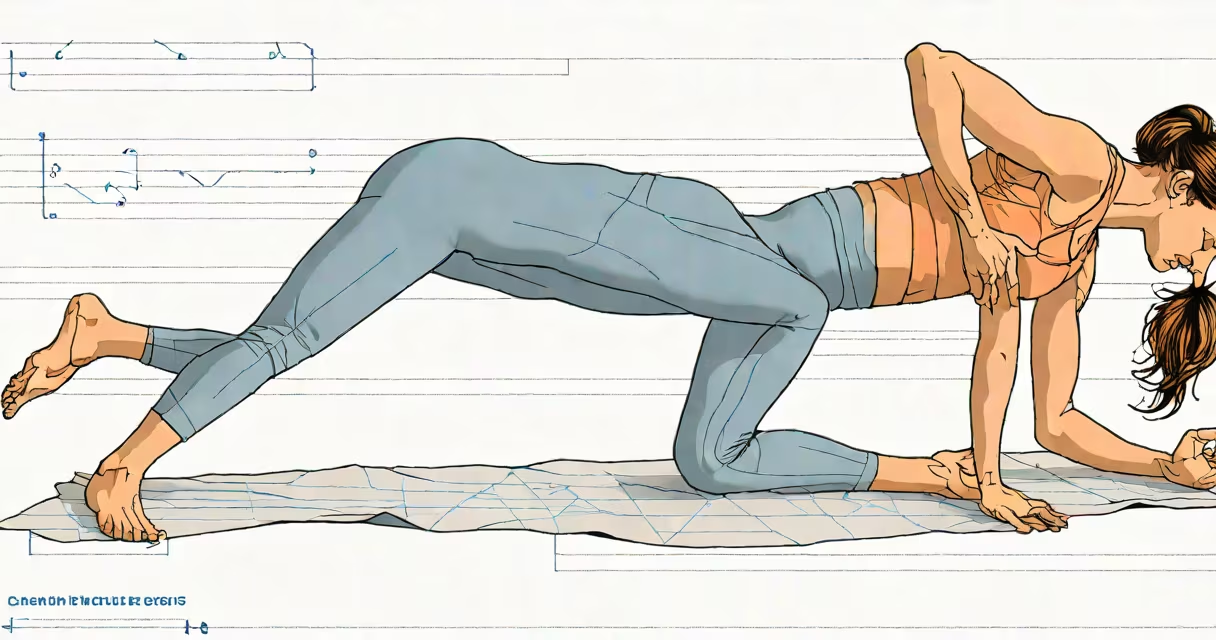
Hip tightness results from shortened muscles, poor posture, or overuse, especially in people who sit for long periods. It's commonly caused by tight hip flexors, glutes, or surrounding connective tissue restricting movement and increasing discomfort during daily activities.
When you sit for extended time-whether at a desk, in a car, or on a couch-the hip flexors shorten and lose elasticity. Over time, this leads to persistent stiffness and reduced range of motion. The sensation of tightness may worsen during walking, bending, or standing, and can radiate into the lower back or groin.
A 2021 study published in *The Journal of Orthopaedic & Sports Physical Therapy* found that 68% of adults reporting chronic lower back pain also had measurable hip flexor tightness. This highlights a direct link between sedentary behavior and musculoskeletal discomfort.
Tight hips form through repetitive strain or sustained positions that alter muscle length and neuromuscular control. The primary culprits are the iliopsois (hip flexors), gluteus maximus and medius (glutes), and tensor fasciae latae (TFL).
Prolonged sitting forces the hip flexors into a contracted state. Without regular movement, these muscles adapt to shorter lengths, reducing joint mobility. As they tighten, they pull the pelvis forward into an anterior tilt-a posture that increases pressure on the lower spine and alters gait mechanics.
Overuse from running, cycling, or strength training can also trigger tightness. For example, sprinters often develop tight hip flexors due to repeated high-force contractions. Similarly, cyclists spend hours in a flexed hip position, leading to chronic shortening of the hip flexor group.
Several factors contribute to hip tightness beyond sitting. These include:
One overlooked cause is footwear. High heels shift weight forward, altering pelvic alignment and increasing hip flexor load. A 2019 study in Footwear Science showed women wearing heels above 2 inches had higher hip flexor activity during walking compared to flat shoes.
Different patterns of hip tightness suggest different underlying issues. Recognizing the location and quality of tension helps identify root causes.
| Location of Tightness | Most Likely Cause | Red Flag Signs |
|---|---|---|
| Front of hip (groin area) | Tight hip flexors or adductors | Pain when lifting leg, difficulty climbing stairs |
| Side of hip (outer hip) | TFL or glute medius tightness | Snapping sensation, pain when lying on side |
| Back of hip (buttocks) | Glute max tightness or piriformis syndrome | Sciatica-like symptoms, numbness down leg |
| Deep inside hip (pelvis) | Pelvic floor or internal rotation imbalance | Discomfort during prolonged sitting, low back ache |
For example, a client I worked with reported deep, dull pain in the left buttock that worsened after driving. Imaging ruled out herniated discs. Upon assessment, his left gluteus medius was tighter than the right, contributing to altered gait and referred pain. Stretching and strengthening corrected the imbalance within six weeks.
Many assume hip tightness is purely muscular. But it can stem from neurological or structural issues. For instance, sciatica may mimic hip tightness but involves nerve compression, not muscle shortening.
Another myth is that stretching alone fixes tight hips. While stretching helps temporarily, long-term relief requires addressing muscle imbalances and movement habits. A 2022 review in Physical Therapy in Sport found that combining stretching with targeted strengthening improved outcomes by 57% compared to stretching alone.
Some confuse hip tightness with hip osteoarthritis. OA typically presents with joint pain, stiffness after rest, and reduced motion-but not the sharp, localized burn felt during movement. If you have morning stiffness lasting over 30 minutes, consult a rheumatologist.
Effective relief focuses on restoring balance between flexibility and strength. Start with changing warm-ups before activity and static stretches afterward.
Try the kneeling hip flexor stretch: kneel on one knee, tuck your pelvis slightly, and lean forward until you feel a stretch in the front of the hip. Hold 30 seconds per side. Perform twice daily. After 2-3 weeks, progress to resistance band work for glute activation.
Use foam rolling on the glutes and IT band (lateral thigh) for 1-2 minutes per area. Avoid rolling directly over joints. A 2021 randomized trial in Journal of Bodywork and Movement Therapies showed that consistent foam rolling reduced hip flexor tightness by 38% over four weeks.
If tightness persists despite home care, see a physical therapist. They can assess for muscle imbalances, joint restrictions, or nerve entrapment. A trained professional can differentiate between mechanical tightness and pathological conditions.
See a healthcare provider if you experience:
These signs may indicate a stress fracture, labral tear, or nerve impingement. Early diagnosis prevents progression. MRI scans can detect soft tissue injuries not visible on X-ray.