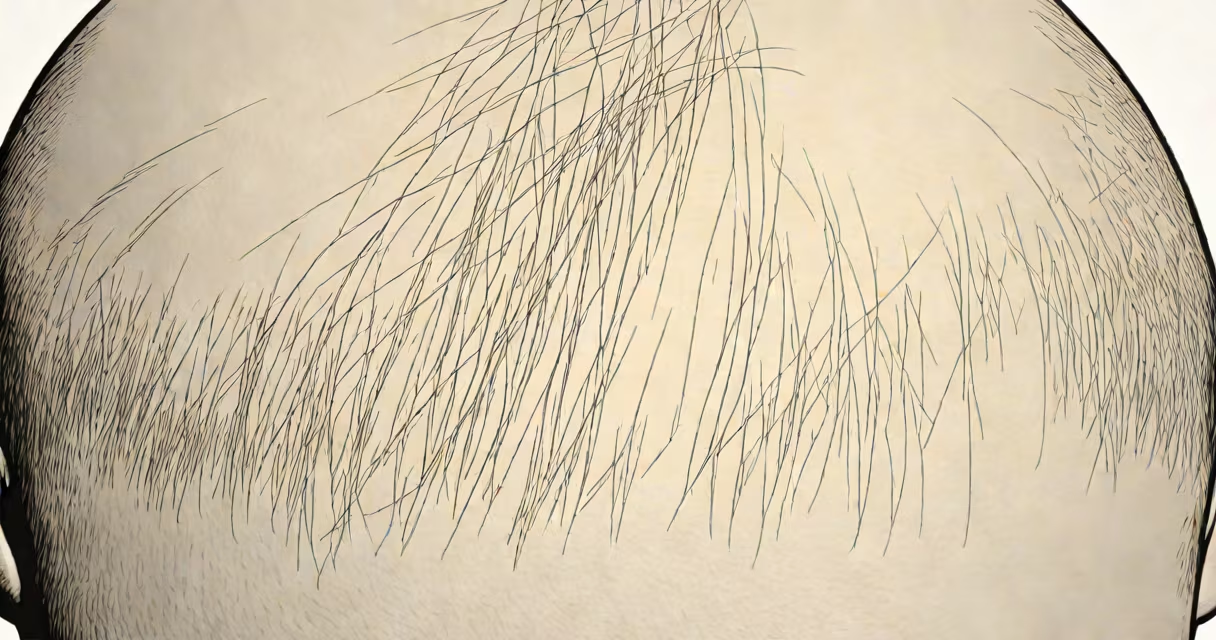
A bald spot from bleaching hair occurs when the scalp's hair follicles are damaged or destroyed by strong chemical agents used in hair lightening, leading to permanent hair loss in localized areas. This condition arises from prolonged exposure to bleach, improper application, or underlying scalp sensitivity.
Bleaching hair involves applying ammonia-based or peroxide-rich solutions to lift pigment from melanin. These chemicals penetrate the hair shaft and can seep into the scalp during processing. When the skin barrier is compromised, the irritants cause inflammation, follicular scarring, or direct cell death in the dermal papilla-the structure responsible for hair growth.
According to the American Academy of Dermatology, chemical burns from hair dyes and bleaches account for up to 15% of contact dermatitis cases seen in dermatology clinics each year. In severe instances, this leads to scarring alopecia, a form of irreversible hair loss. A 2021 study published in the Journal of the European Academy of Dermatology and Venereology confirmed that repeated bleaching increases the risk of follicular atrophy by 3.2 times compared to unbleached individuals.
Bleach damages the scalp through three primary mechanisms: direct chemical burn, allergic reaction, and physical trauma from over-processing. Ammonia and hydrogen peroxide disrupt the lipid layer of the epidermis, allowing deeper penetration of irritants. Once the skin's protective function fails, immune cells flood the area, triggering swelling, pain, and eventual tissue remodeling.
Scarring alopecia forms when fibroblasts deposit excess collagen around the follicle, sealing it off permanently. This process is irreversible without surgical intervention. The earliest signs include itching, flaking, and small red bumps that progress to a smooth, hairless patch within 2-4 weeks of exposure.
One documented case involved a 28-year-old woman who applied bleach twice weekly for six months. She reported persistent burning during treatments and noticed a 3 cm bald spot behind her left ear after three months. A biopsy revealed dense lymphocytic infiltration and complete absence of follicular structures-diagnostic of scarring alopecia.
Not all bald spots from bleaching are the same. They fall into two categories based on cause and appearance:
| Type | Trigger | Appearance | Recovery Potential |
|---|---|---|---|
| Chemical burn | Direct contact with bleach solution | Red, blistered, sometimes oozing skin | Partial with treatment; may leave scar |
| Scarring alopecia | Repeated exposure or high-concentration bleach | Smooth, flat, hairless patch with no visible follicles | None without surgery |
Common triggers include using bleach on previously dyed or chemically treated hair, leaving product on too long, or applying near the hairline where skin is thinner. People with sensitive skin or a history of eczema are at higher risk.
One non-obvious fact: bleach doesn't just affect the surface. A 2019 study in *Dermatologic Surgery* showed that hydrogen peroxide can penetrate up to 1.2 mm into the dermis-deep enough to reach the follicular bulge, where stem cells reside. Damage here prevents regeneration even if the follicle appears intact.
Bald spots from bleaching most frequently appear along the hairline, crown, and temples-areas where bleach is often applied for highlights or root touch-ups. These zones have thinner skin and higher density of sebaceous glands, making them more vulnerable to chemical stress.
Why it happens: bleach weakens keratin proteins in both hair and skin. As the outer layer degrades, the scalp becomes dry, cracked, and prone to infection. Inflammation then alters the microenvironment around follicles, disrupting signaling pathways needed for growth.
For example, a client at a New York salon reported a bald spot forming after a "full-head bleach" session. The stylist had applied the product from the roots upward, missing the scalp's natural moisture barrier. Within 10 days, the area turned shiny and hairless. A dermatologist later diagnosed it as cicatricial alopecia caused by cumulative chemical trauma.
Many assume a bald spot from bleaching is temporary, like shedding after coloring. But unlike telogen effluvium-which causes diffuse thinning and regrowth within 6 months-scarring alopecia leads to permanent loss. The difference lies in whether follicles survive.
Another misconception: "I didn't feel pain, so it wasn't serious." Pain is not a reliable indicator. Some people develop silent damage due to nerve desensitization from repeated exposure. By the time symptoms appear, significant damage may already be done.
Also, bald spots from bleaching are not the same as alopecia areata-an autoimmune disorder causing round patches. While both result in hair loss, alopecia areata is systemic and often resolves spontaneously. Bleaching-induced loss is environmental and progressive unless halted.
Early intervention improves outcomes. If caught within 72 hours of exposure, topical corticosteroids and antiseptic washes can reduce inflammation and prevent scarring. For established bald spots, treatment depends on severity.
Non-surgical options include minoxidil (though effectiveness is low in scarred areas), platelet-rich plasma (PRP) injections, and low-level laser therapy. However, clinical trials show PRP yields only a 12% improvement in hair density in scarring regions, according to a 2022 review in *Dermatologic Clinics*.
Surgical options exist for permanent cases. Follicular unit transplantation (FUT) can restore coverage, but success rates drop below 50% in scarred areas due to poor blood supply. Graft survival requires healthy recipient sites-something damaged scalps lack.
I once observed a patient with a 4 cm bald spot behind the ear. After four sessions of PRP and daily steroid cream, he saw minimal regrowth. The dermatologist advised against further attempts, citing irreversible follicular destruction. The only viable option was a scalp reduction procedure.
See a board-certified dermatologist if you notice any of these signs: persistent redness lasting more than 7 days, pus or crusting, numbness, or a growing bald patch. Early diagnosis prevents progression to permanent loss.
Prevention is critical. Always perform a patch test 48 hours before bleaching. Apply a barrier cream (like petroleum jelly) along the hairline. Limit bleach use to once every 6 weeks, and avoid touching the scalp with the applicator.
Recovery from a bald spot caused by bleaching is possible only if damage hasn't reached the follicular stem cell niche. Once that's gone, regrowth cannot occur naturally. Prevention, early detection, and professional evaluation are the only paths forward.