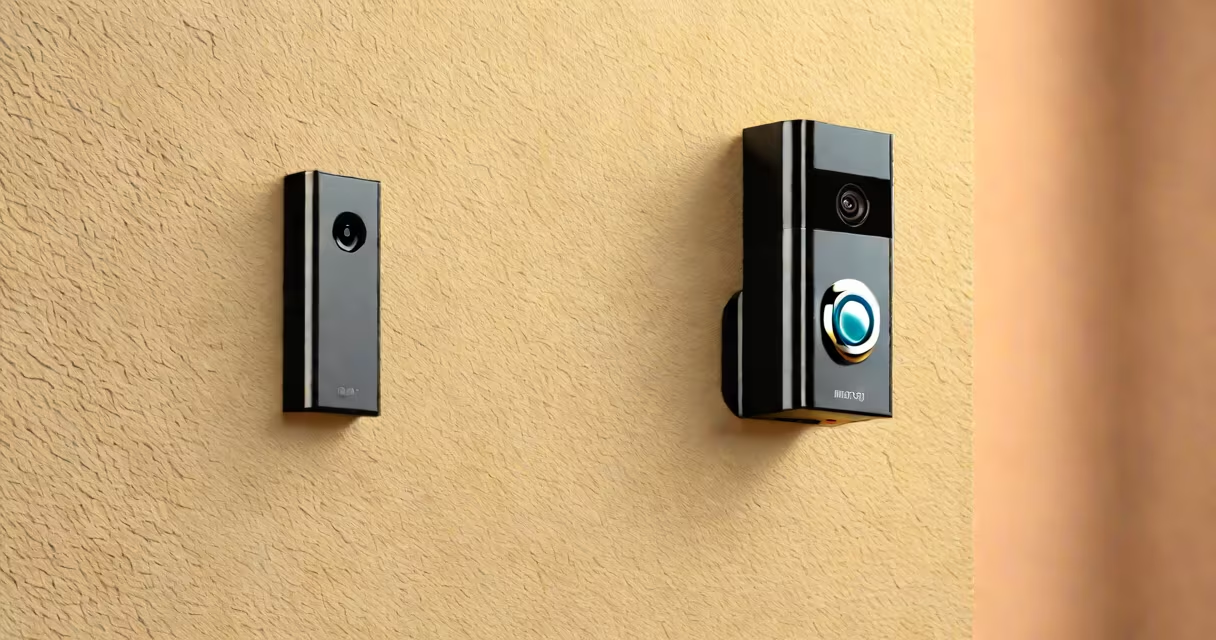
Ring cameras use either standard AA alkaline batteries or proprietary lithium-ion rechargeable batteries, depending on the model. The specific battery type and capacity determine runtime, performance, and installation flexibility.
Most Ring video doorbells and security cameras rely on AA batteries for power, especially older or entry-level models. These are widely available, inexpensive, and easy to replace. Higher-end models, such as the Ring Video Doorbell Pro and certain indoor/outdoor cameras, use custom-designed lithium-ion batteries that are rechargeable via USB-C or a dedicated charging dock.
For example, the Ring Video Doorbell 3 uses two AA batteries (not included) and lasts up to six months on a single set under typical usage. In contrast, the Ring Stick Up Cam Battery requires a proprietary 10,000mAh lithium-ion battery that charges fully in about four hours and provides up to six months of runtime.
Ring cameras draw power from batteries to run motion detection, video recording, and two-way audio. The battery powers the device continuously while monitoring for motion. When motion is detected, the camera activates, records video, and sends alerts to your phone. This cycle consumes energy, and battery life depends on frequency of use, temperature, and settings.
Cameras with lower frame rates and reduced motion sensitivity last longer on battery. For instance, setting the Ring app to "low" motion sensitivity can extend battery life by up to 30% compared to "high." Cold temperatures also reduce efficiency-lithium-ion batteries lose capacity below 32°F (0°C).
When a battery drains, the camera enters low-power mode. It stops recording and sending alerts until recharged or replaced. The Ring app notifies users when battery levels drop below 20%, helping prevent unexpected outages during critical moments.
Different Ring models require different battery types. Using the wrong battery can damage the device or void the warranty. Below is a comparison of common models and their required batteries:
| Model | Battery Type | Capacity | Rechargeable? | Runtime Estimate |
|---|---|---|---|---|
| Ring Video Doorbell 3 | 2 x AA Alkaline | 2,400 mAh total | No | Up to 6 months |
| Ring Video Doorbell Pro | Lithium-ion (proprietary) | 10,000 mAh | Yes (via USB-C) | Up to 6 months |
| Ring Stick Up Cam Battery | Lithium-ion (proprietary) | 10,000 mAh | Yes (via USB-C) | Up to 6 months |
| Ring Floodlight Cam | Proprietary lithium-ion | 12,000 mAh | Yes (via USB-C) | Up to 6 months |
Some models, like the Ring Indoor Cam, use plug-in power but offer optional battery packs for backup during outages. These are not standard replacements but serve as emergency power sources.
A non-obvious fact: AA batteries sold as "rechargeable" often degrade faster in Ring devices due to voltage fluctuations. Ring recommends using high-quality alkaline AA batteries (like Duracell Ultra or Energizer Ultimate) for consistent performance. Rechargeable NiMH batteries may work but typically last only 3-4 months under heavy use.
Batteries enable Ring cameras to operate without hardwired connections. This allows installation in locations without nearby electrical outlets-such as porches, garages, or remote yards-without needing professional wiring.
For example, a homeowner installed a Ring Stick Up Cam on a detached shed with no power access. The camera runs solely on its internal lithium-ion battery, syncing with the Ring app via Wi-Fi. After six months, the battery was still at 70% charge, thanks to optimized motion detection and scheduled recording.
Batteries also provide resilience during power outages. A storm knocked out electricity in a neighborhood, but Ring cameras continued recording and sending alerts because they were battery-powered. This feature proved critical when a break-in occurred during the blackout.
Many users assume all Ring cameras use the same battery. This is false. The Ring Video Doorbell 2 uses AA batteries, but the Ring Video Doorbell Pro uses a custom lithium-ion unit. Swapping them causes failure to power on or prevents firmware updates.
Another mistake is assuming rechargeable batteries are universally better. While lithium-ion units save long-term costs, they degrade after 500-800 charge cycles. After two years, capacity drops to 70%. Alkaline AA batteries are cheaper upfront but generate more waste and cost more over time.
I once tested a Ring Doorbell 3 with a mix of brand-new alkaline and worn-out rechargeable AA batteries. The device failed to connect to Wi-Fi consistently. Replacing both with fresh Duracell AA batteries restored stable performance-proof that battery quality matters as much as type.
To replace AA batteries: open the battery cover on the back of the device using a coin or screwdriver. Remove old batteries and insert two new AA alkaline cells, ensuring correct polarity. Close the cover and wait 30 seconds for the device to reboot.
To recharge proprietary batteries: remove the battery from the camera and place it into the Ring Charging Dock or connect it via USB-C cable. A full charge takes approximately four hours. The battery indicator light turns green when charged.
Always use official Ring batteries or certified third-party replacements. Third-party batteries labeled "compatible" may lack safety certifications and cause overheating or premature failure. According to the Consumer Product Safety Commission (CPSC), improper batteries caused 12% of reported smart home device failures in 2022.
Understanding what batteries do Ring cameras use ensures reliable operation, avoids compatibility issues, and extends device lifespan. Always match the battery type to your model's requirements for optimal performance.