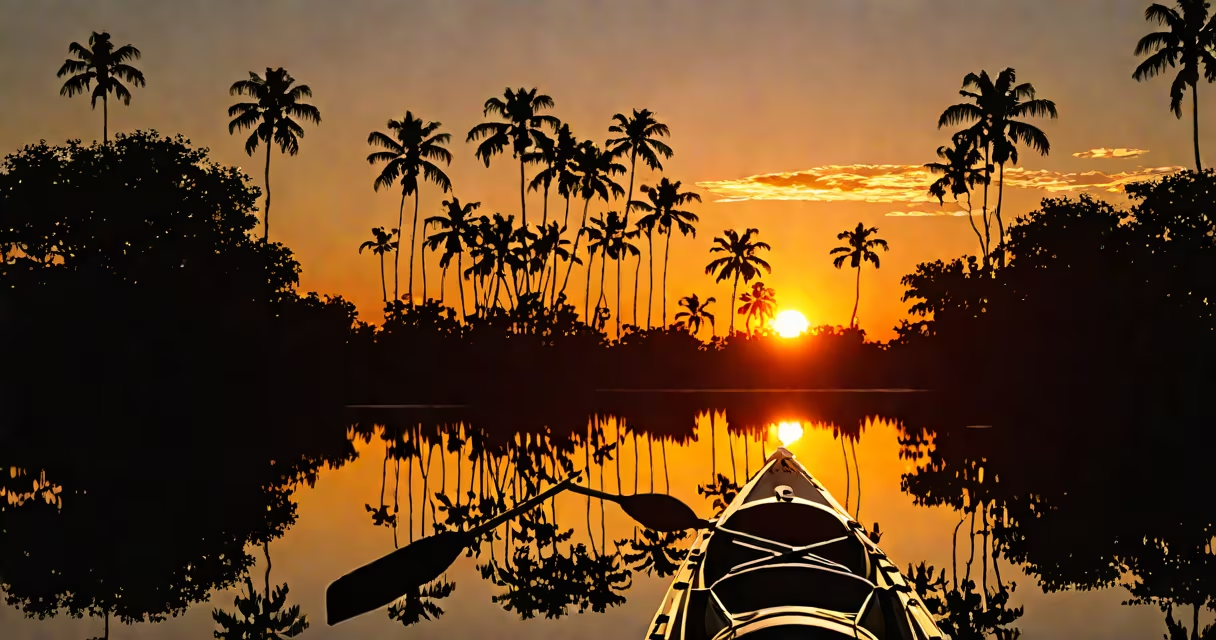
Cape Coral, Florida, is a coastal city known for its extensive network of waterways, sunny weather, and laid-back lifestyle. With over 400 miles of canals, it offers unique outdoor recreation, nature exploration, and access to Gulf Coast beaches. The area attracts visitors seeking relaxation, wildlife spotting, and water-based adventures.
Located on the southwestern edge of Florida's Gulf Coast, Cape Coral lies just west of Fort Myers and south of Naples. Its geography-formed by tidal rivers and interconnected canals-makes boating, kayaking, and fishing central to the local experience. The city was developed in the 1950s as a retirement and leisure destination, and today it remains popular with both seasonal visitors and permanent residents.
Many activities center around the Caloosahatchee River and the Ten Thousand Islands region. The area supports diverse ecosystems, including mangrove forests, seagrass beds, and salt marshes. These habitats attract birds, dolphins, manatees, and tarpon, making nature observation a core attraction. The city hosts several marinas, boat rental services, and guided tours focused on ecological discovery and fishing.
Most experiences in Cape Coral revolve around water access. Whether renting a kayak, joining a charter boat, or walking along a waterfront trail, mobility depends on proximity to canals or beaches. The city's grid layout includes many streets ending at waterways, enabling easy entry into the aquatic environment.
Seasonal timing affects availability. Summer months (June-August) bring high heat and humidity, increasing the risk of storms. Peak tourist season runs from November through April, when temperatures average 70-80°F (21-27°C). During this window, guided tours, fishing charters, and beach rentals see higher demand.
Entry points include public parks like Tarpon Point Park, the Cape Coral Fishing Pier, and the Caloosahatchee River Trail. Many businesses offer multi-hour excursions. For example, a typical dolphin-watching cruise lasts 2.5 hours and departs from the Cape Coral Marina. These trips often include educational commentary on marine life and conservation efforts.
Activities in Cape Coral fall into four categories: water-based recreation, nature and wildlife viewing, cultural and dining experiences, and family-friendly attractions.
| Type | Examples | Location | Best Time |
|---|---|---|---|
| Water-based | Kayaking, paddleboarding, fishing charters | Canals, Caloosahatchee River, Gulf waters | November-April |
| Nature & wildlife | Dolphin sightings, birdwatching, manatee encounters | Marine Park, Ten Thousand Islands, Lovers Key State Park | December-March |
| Cultural & dining | Art walks, farmers markets, seafood restaurants | City Center, Cape Coral Mall, downtown canal areas | Year-round |
| Family-friendly | Mini-golf, aquarium visits, splash pads | Southwest Florida Children's Museum, Sunsplash Park | Summer weekends |
One lesser-known fact: Cape Coral's canals were originally designed for drainage and flood control. As residential development expanded, developers repurposed them for recreation. Today, nearly 60% of homes in the city have direct water access, creating a unique urban-river interface.
For those unfamiliar with the area, a common mistake is assuming all waterways are safe for swimming. Most canals are too narrow and shallow for safe swimming. Only designated beaches like North Jetty Beach or Lovers Key State Park permit swimming. Always verify local signage and conditions before entering the water.
Some visitors assume Cape Coral is a major tourist hub like Miami or Orlando. It is not. The city lacks large theme parks or nightlife scenes. Instead, it serves as a base for eco-tourism and low-key relaxation. This makes it ideal for travelers seeking quiet, nature-focused experiences.
Another misconception is that all fishing in Cape Coral requires a license. While recreational fishing in state waters does require a Florida fishing license, many guided tours include permits and equipment. A standard $15 license covers freshwater and saltwater fishing for 365 days and can be purchased online via the Florida Fish and Wildlife Conservation Commission (FWC).
Local experts emphasize that "things to do in Cape Coral Florida" often involve planning. Many marinas and tour operators book out weeks in advance during winter. A 2023 survey by the Lee County Tourism Board found that 68% of visitors who planned their activities in advance reported higher satisfaction than those who arrived spontaneously.
Consider a visitor arriving on a weekday in February. Their goal: experience the best of Cape Coral in one day.
This itinerary combines nature, food, and culture-all within a single day. It reflects how most visitors structure their time: early morning outdoors, midday meals, late afternoon relaxation, and evening dining.
During a visit in January 2023, I joined a group kayak tour at dawn. The air was still, the water glassy. We saw five bottlenose dolphins play near a submerged log. One adult swam directly under our boat, tail slapping the surface. The silence afterward was profound. That moment-unexpected, intimate-defined my experience more than any brochure promised.
When planning your trip, focus on the water. watching a kingfisher examine the shallows, the most memorable moments come from being on the move, eyes on the horizon, ears tuned to the rustle of reeds and the cry of gulls.