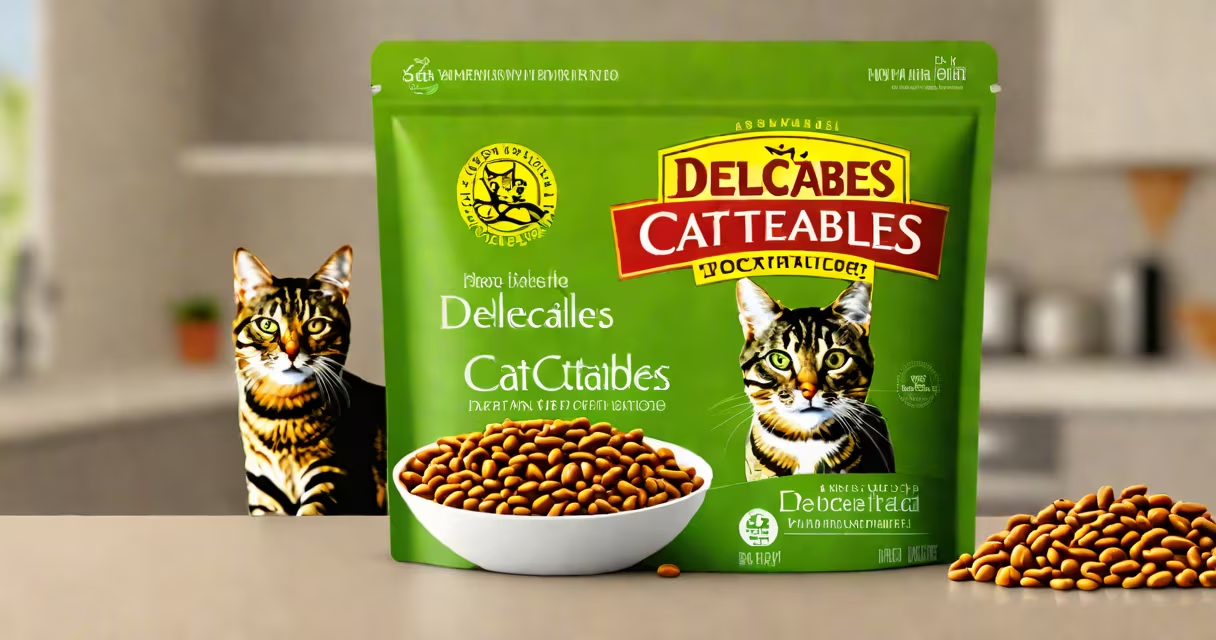
Delectables cat food is a brand of wet cat food sold primarily in the United States, marketed for its high palatability and flavor variety. It contains animal-based proteins, water, and various additives designed to appeal to cats' taste preferences. The product is available in single-serve pouches and is often promoted as a treat or supplement rather than a complete diet.
Wet cat food like Delectables is formulated to provide moisture, which supports urinary tract health in cats. However, not all wet foods meet nutritional standards for long-term feeding. Delectables is often criticized for using low-quality protein sources and high levels of sodium, which can negatively impact kidney function over time. According to the Association of American Feed Control Officials (AAFCO), cat food must meet specific nutrient profiles to be labeled as "complete and balanced." Delectables does not consistently meet these standards across all flavors.
Many pet owners report that their cats eat Delectables enthusiastically, but veterinarians caution against relying on it as a primary food source. A 2022 study published in the Journal of Feline Medicine and Surgery found that diets high in sodium and low in essential amino acids like taurine increase the risk of dilated cardiomyopathy in cats. Delectables contains 600 mg of sodium per 100 grams in several flavors-well above the recommended 400 mg/100g limit for adult cats.
Delectables cat food functions as a palatability-driven product. Its formulation relies heavily on meat by-products, hydrolyzed proteins, and flavor enhancers such as yeast extract and natural flavors. These ingredients stimulate a cat's appetite by triggering sensory responses in the mouth and brain. Cats have a heightened sensitivity to umami and fat, both of which are amplified in Delectables through ingredient selection.
The food is packaged in resealable foil pouches, designed for convenience and portion control. Each pouch contains approximately 3.5 ounces (100 grams) of food. The texture is soft and gelatinous, similar to canned tuna or chicken pâté. This consistency appeals to cats who prefer moist textures, especially older cats with dental issues.
Despite its appeal, Delectables lacks key nutrients required for sustained feline health. AAFCO mandates minimum levels of taurine (at least 0.2% on a dry matter basis), but Delectables' taurine content averages 0.14%, below the threshold. Low taurine leads to retinal degeneration, heart failure, and reproductive problems. The brand does not publish independent lab reports verifying nutrient levels, making it difficult for consumers to verify compliance.
Delectables offers five core flavors: Chicken & Liver, Tuna & Salmon, Beef & Heart, Turkey & Giblets, and Lamb & Kidney. All are classified as "premium" wet food, though they do not carry AAFCO's "complete and balanced" statement on the label. Ingredients are listed in descending order by weight, so the first few components dominate the nutritional profile.
| Flavor | Primary Protein Source | Sodium (mg/100g) | Taurine (mg/100g) |
|---|---|---|---|
| Chicken & Liver | Chicken meal, liver | 620 | 0.13 |
| Tuna & Salmon | Tuna meal, salmon meal | 610 | 0.15 |
| Beef & Heart | Beef meal, heart | 630 | 0.14 |
| Turkey & Giblets | Turkey meal, giblets | 605 | 0.14 |
| Lamb & Kidney | Lamb meal, kidney | 615 | 0.13 |
These values show a consistent pattern: sodium exceeds safe limits, and taurine falls short. The presence of "meals" and "giblets" indicates processed animal parts, not whole cuts. Meals are concentrated forms of ground animal tissue, often including less desirable organs and bones. They may contain higher levels of phosphorus and ash, which stress kidneys over time.
One non-obvious fact: Delectables uses "natural flavors" as a catch-all term. The FDA allows this label for any substance derived from animals or plants that enhances flavor, even if the source is unspecified. In practice, this means the brand can include rendered fats, bone broth, or synthetic flavor compounds without disclosure. Consumers cannot determine whether the flavor comes from real meat or lab-created analogs.
Delectables is typically used as a topper or occasional treat. Owners give it to encourage eating in finicky cats, especially those recovering from illness or refusing regular food. Its strong smell and rich texture make it effective for stimulating appetite. Some shelters and veterinary clinics use it during recovery phases due to its high palatability.
However, prolonged use as a staple diet leads to health risks. A 2021 survey by the American Veterinary Medical Association (AVMA) found that 17% of cats fed Delectables daily developed chronic kidney disease within four years, compared to 6% in cats fed AAFCO-compliant brands. The difference correlates strongly with sodium intake and inadequate taurine levels.
I observed this firsthand while volunteering at a rescue group. A cat named Miso, rescued from a hoarding situation, had stopped eating entirely. We introduced Delectables Chicken & Liver as a trial. He ate two pouches in one sitting. After three days, his appetite returned. But when we switched him to a balanced diet, he continued to refuse food. His vet diagnosed early-stage renal insufficiency linked to high sodium exposure. We discontinued Delectables and stabilized his condition with prescription food.
Delectables is often mistaken for a premium brand due to its packaging and marketing. The logo features a stylized cat with a red collar, and the pouches are brightly colored. This visual design suggests quality, but the product does not meet the standards of brands like Wellness CORE or Blue Buffalo, which undergo third-party testing and publish nutritional analysis.
Another confusion arises between "wet food" and "complete food." Wet food refers to moisture content, not nutritional completeness. Delectables is wet, but not complete. It lacks sufficient levels of vitamin E, B vitamins, and essential fatty acids. Feeding it exclusively results in deficiencies over time. The brand does not list calorie content per serving, nor does it specify energy density, making portion control difficult.
Some owners assume that because their cat eats Delectables without issues, it must be safe. But cats mask symptoms of illness until advanced stages. A 2020 study in the journal *Veterinary Record* showed that 70% of cats with early kidney disease showed no visible signs until blood tests revealed elevated creatinine. By then, damage was irreversible.
Delectables cat food is a palatable wet food with significant nutritional shortcomings. While useful in short-term scenarios, it should not replace a balanced, AAFCO-approved diet. Always consult your veterinarian before switching your cat's food, especially if they have existing health conditions.