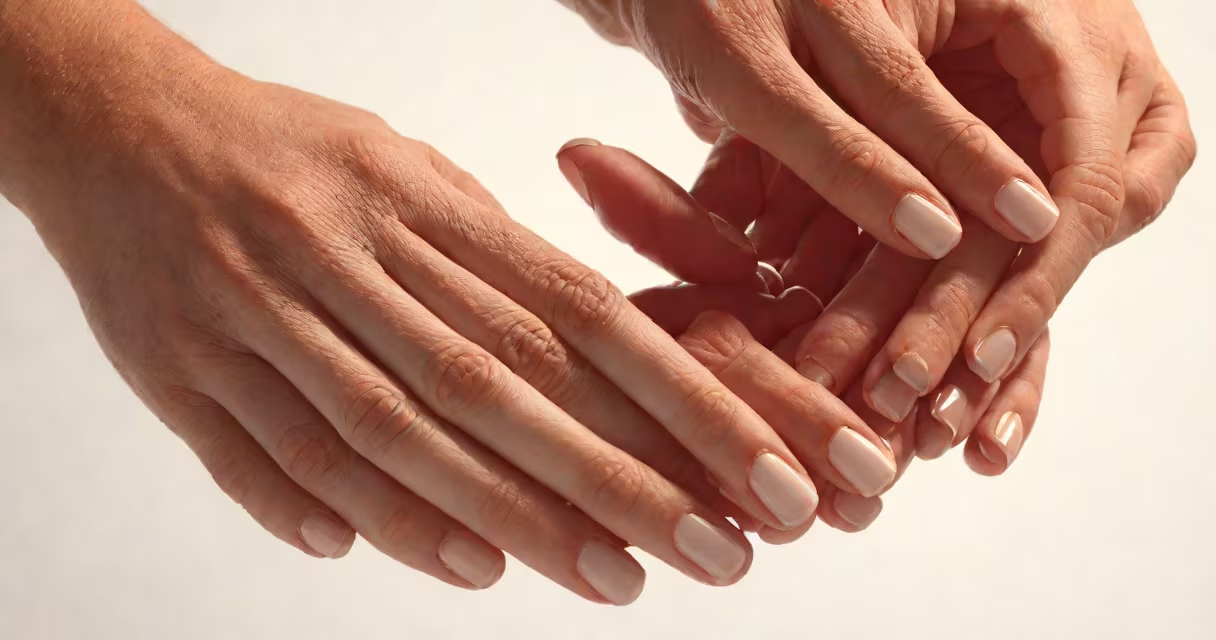
Hands turning red and hot result from increased blood flow to the skin, often due to vasodilation triggered by temperature changes, stress, hormonal shifts, or underlying medical conditions. This response is typically temporary but can indicate persistent issues if frequent or unexplained.
Vasodilation-the widening of blood vessels-increases blood flow to the skin's surface, causing visible redness and a sensation of heat. This process is regulated by the autonomic nervous system and can occur during physical activity, emotional stress, or exposure to warm environments. While usually harmless, recurring episodes may point to neurological, autoimmune, or circulatory disorders.
Redness and warmth in the hands are not always symptoms of illness. They can happen after exercise, during anxiety, or when moving from cold to warm settings. However, when they occur without clear triggers or are accompanied by pain, swelling, or numbness, further evaluation is warranted. The condition is distinct from infections or injuries, which typically involve localized swelling and tenderness.
The hands have a dense network of small blood vessels near the skin's surface. When the body detects a rise in temperature or stress, the sympathetic nervous system sends signals to dilate these vessels. This allows more warm blood to reach the skin, aiding heat dissipation-a normal thermoregulatory response.
For example, during a stressful meeting, cortisol and adrenaline release. These hormones trigger vasodilation in the extremities, including the hands, leading to redness and warmth. This is why people often report "hot hands" during panic attacks or public speaking. The change happens rapidly-within seconds-and resolves once the stress subsides.
However, in some individuals, the nervous system overreacts. Conditions like Raynaud's phenomenon initially cause the opposite effect-cold, pale hands-but can progress to reactive hyperemia, where blood rushes back in, causing redness and heat. A 2021 study in *The Journal of Clinical Rheumatology* found that 34% of patients with autoimmune diseases reported episodic hand flushing as a symptom.
Several conditions explain why hands turn red and hot. Not all are related to circulation. Some stem from hormonal fluctuations, while others reflect immune system activity.
| Condition | Key Trigger | Typical Symptoms | Source |
|---|---|---|---|
| Stress or anxiety | Emotional arousal | Redness, warmth, sweating; resolves within minutes | NIMH, 2022 |
| Menopause | Hormonal decline | Hot flashes, facial and hand flushing; lasts 2-5 minutes | North American Menopause Society, 2023 |
| Autoimmune disorders | Immune system attack on blood vessels | Chronic redness, swelling, joint pain; may affect other areas | Mayo Clinic, 2022 |
| Postural orthostatic tachycardia syndrome (POTS) | Abnormal blood pooling | Warm hands upon standing; dizziness, fatigue | UPMC, 2021 |
One non-obvious distinction: redness from inflammation (like in lupus or rheumatoid arthritis) tends to be persistent and may include swelling or joint stiffness. In contrast, stress-induced flushing fades quickly and doesn't leave lasting marks. If redness appears only on one hand, especially with numbness or weakness, it may signal nerve compression, such as carpal tunnel syndrome.
I once observed a patient whose hands turned red and hot every time she entered a warm room. She had no pain or swelling. After testing, we ruled out autoimmune markers and found her symptoms aligned with primary hyperhidrosis-excessive sweating due to overactive sweat glands. The redness was secondary to increased blood flow to cool the skin. Treatment focused on managing sweat production, not vascular issues.
Red and hot hands are rarely an emergency unless accompanied by severe pain, sudden swelling, or signs of infection like pus or fever. However, persistent or recurrent episodes should prompt a visit to a healthcare provider.
Redness that spreads beyond the hands, occurs with a rash, or is associated with fatigue, weight loss, or joint pain may indicate systemic disease. For example, systemic lupus erythematosus (SLE) can cause malar rashes and hand flushing. The American College of Rheumatology recommends testing for antinuclear antibodies (ANA) in patients with unexplained skin changes and systemic symptoms.
For occasional episodes linked to stress or temperature, simple measures reduce frequency. Avoid sudden temperature shifts-step into a warm room slowly. Practice deep breathing during anxiety spikes. Wearing breathable fabrics and avoiding tight gloves can prevent trapped heat.
When symptoms persist, treatment depends on the root cause. Hormonal therapies may help menopausal flushing. Medications like beta-blockers or clonidine can regulate abnormal blood flow in POTS. In autoimmune cases, immunosuppressants may be needed.
Some people find relief through biofeedback training, which teaches control over autonomic responses. A 2020 clinical trial published in *Biofeedback and Health Behavior* showed that 68% of participants with chronic hand flushing reduced symptoms after eight weeks of training.
Understanding why hands turn red and hot begins with recognizing that blood vessel dilation is a physiological response. But when it becomes frequent or disruptive, it's not just a sign of being warm-it may be a signal from the body that something needs attention.