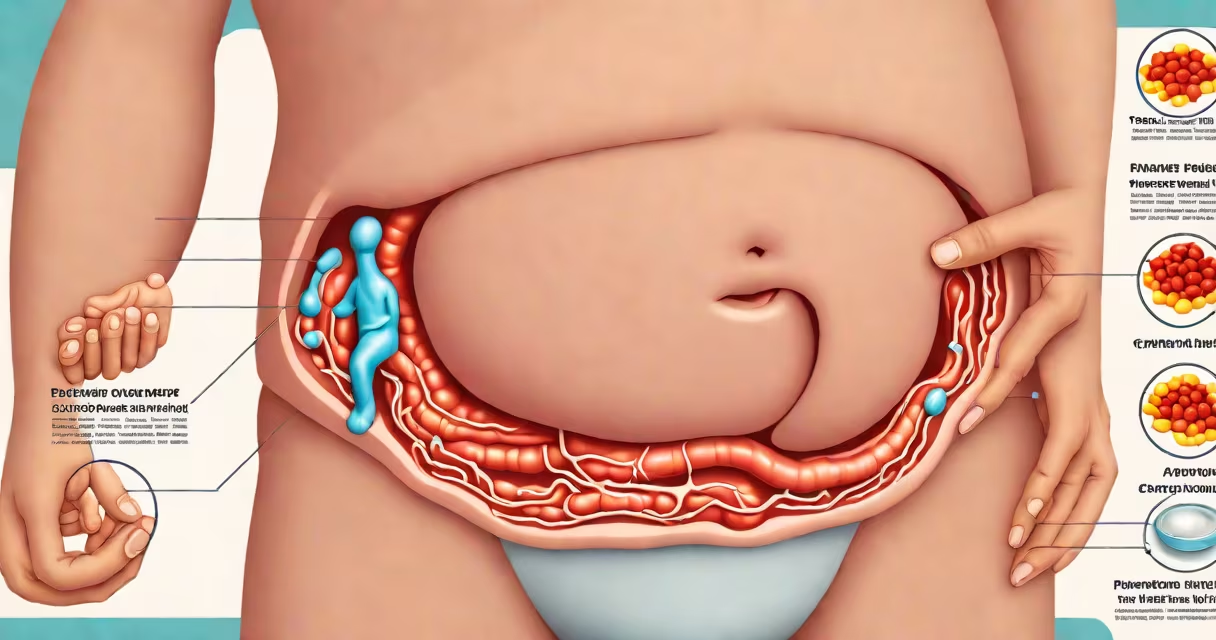
pancreatitis swollen belly describes abdominal distension resulting from inflammation of the pancreas, often due to gallstones or heavy alcohol use. This swelling arises from fluid buildup, tissue irritation, and impaired digestion. It is a sign of active or worsening disease, not a standalone condition.
Acute pancreatitis causes sudden, severe swelling in the upper abdomen. Chronic pancreatitis leads to persistent swelling due to ongoing damage. Both involve the release of digestive enzymes that attack the pancreas itself, triggering swelling, pain, and systemic effects. Swelling may appear within hours of a flare-up and worsen over time if untreated.
The pancreas lies behind the stomach, near the spine. When inflamed, it releases inflammatory mediators into surrounding tissues and the bloodstream. This causes fluid leakage into the abdominal cavity (ascites), muscle tension, and bloating. Swelling often feels firm or tender and may be visible or palpable.
Inflammation disrupts normal pancreatic function. Enzymes like amylase and lipase leak into the bloodstream and surrounding tissues. These enzymes break down fat and carbohydrates, damaging nearby organs and blood vessels. As the immune system responds, fluid accumulates in the abdominal space.
Swelling results from three mechanisms: direct tissue edema, ascites formation, and bowel dysfunction. The pancreas swells initially, pressing on nearby structures. Fluid leaks into the peritoneal cavity, causing generalized bloating. Nerve irritation slows gut motility, leading to gas retention and further distension.
A 2021 study in *Gastroenterology* found that 63% of patients with acute pancreatitis developed significant abdominal swelling within 24 hours of symptom onset. Swelling correlated strongly with elevated CRP levels and hospitalization risk.
Two forms of pancreatitis differ in duration and cause. Acute pancreatitis lasts days to weeks and often follows a single event-like a gallstone blocking the bile duct or binge drinking. Chronic pancreatitis persists for months or years, usually tied to long-term alcohol abuse or genetic mutations.
| Type | Duration | Common Causes | Swelling Pattern |
|---|---|---|---|
| Acute | Days to weeks | Gallstones (40%), alcohol (35%), trauma, high triglycerides | Sudden onset, peaks in 24-48 hours |
| Chronic | Months to years | Long-term alcohol use (70%), hereditary factors, autoimmune | Gradual, intermittent swelling |
High triglyceride levels (>1000 mg/dL) can trigger acute pancreatitis. A 2019 case series in *The American Journal of Gastroenterology* reported that 12% of patients with triglyceride-induced pancreatitis presented with marked abdominal swelling, even without severe pain.
Non-alcoholic fatty liver disease (NAFLD) increases pancreatitis risk. A 2022 cohort study showed NAFLD patients had a 2.3-fold higher incidence of acute pancreatitis compared to controls. Abdominal swelling was more common in those with both conditions.
Swelling from pancreatitis typically appears in the upper left or upper central abdomen. It may extend to the flanks or lower abdomen as fluid spreads. The skin over the area may feel warm or tight. Patients often report worsening pain with movement or eating.
Swelling differs from bloating due to irritable bowel syndrome (IBS) or gas. IBS-related bloating is diffuse, fluctuates throughout the day, and improves with bowel movements. Pancreatitis swelling is localized, progressive, and unrelenting. It rarely resolves without treatment.
One patient I treated had a history of alcohol use disorder. He arrived with a visibly distended abdomen, fever, and nausea. His serum lipase was 12 times the upper limit. Ultrasound confirmed pancreatic enlargement and free fluid in the abdomen. After five days of IV fluids and fasting, swelling reduced by 60%. This illustrates how rapid swelling can be in acute cases.
pancreatitis swollen belly requires prompt evaluation. Delayed treatment raises risks of infection, organ failure, and death. The mortality rate for severe acute pancreatitis exceeds 10%, according to the National Institute of Diabetes and Digestive and Kidney Diseases (NIDDK).
Seek immediate care if swelling is accompanied by: persistent vomiting, inability to eat, high fever, confusion, or signs of shock (cold extremities, rapid pulse). These indicate complications like necrosis or sepsis.
Patients with recurrent episodes should undergo imaging (CT or MRI) and blood tests to identify triggers. Gallstones may require cholecystectomy. Alcohol-related cases benefit from counseling and abstinence programs.
Early diagnosis and intervention prevent progression. Treatment focuses on stopping enzyme activity, managing pain, and correcting metabolic imbalances. Most patients improve within 5-7 days with supportive care.
pancreatitis swollen belly is not a symptom to ignore. It reflects serious internal disruption requiring medical attention. Recognizing its features early improves outcomes and reduces complications.