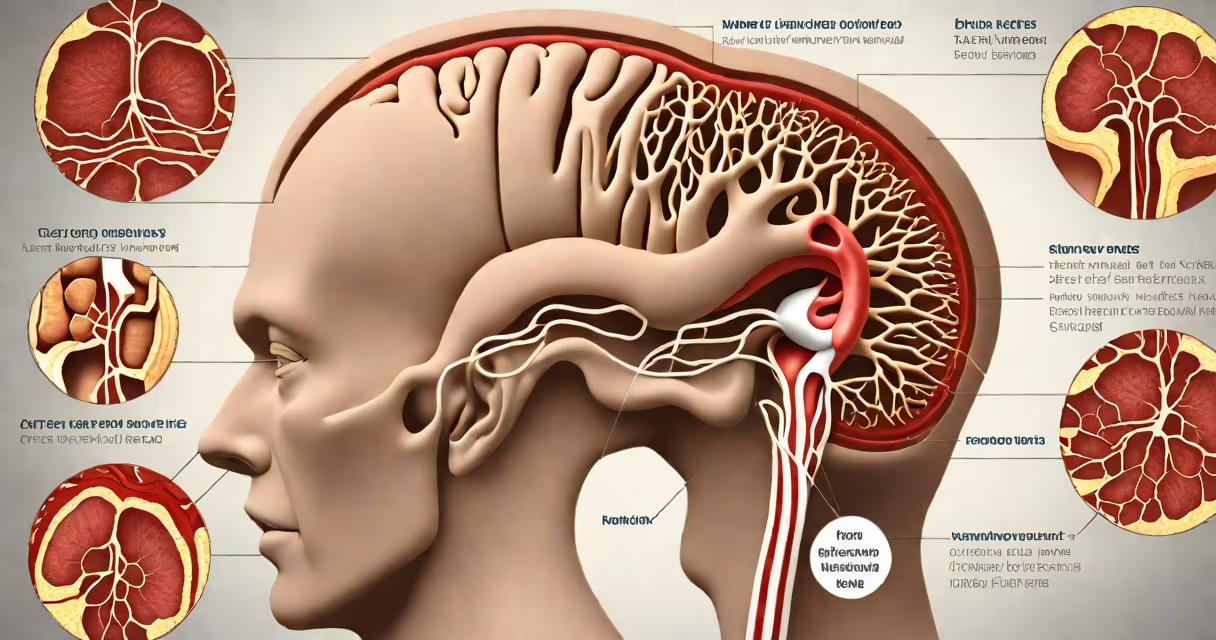
kidney failure and hair loss occur together when damaged kidneys disrupt hormone balance, reduce essential nutrient levels, and impair protein synthesis, leading to weakened hair follicles and increased shedding. This connection is clinically documented in patients with chronic kidney disease (CKD) and end-stage renal disease (ESRD).
When kidneys fail, they lose the ability to filter waste, regulate electrolytes, and produce hormones critical for tissue maintenance. As blood urea nitrogen (BUN) and creatinine rise, systemic inflammation increases, affecting hair growth cycles. A 2021 study in *Clinical Nephrology* found that 63% of hemodialysis patients reported noticeable hair thinning or loss, compared to 27% in healthy controls.
The process begins with dysregulation of erythropoietin (EPO), a hormone produced by functioning kidneys. Low EPO leads to anemia, reducing oxygen delivery to hair follicles. Without adequate oxygen, follicles enter telogen (resting) phase prematurely, causing shedding. Patients on dialysis often report hair falling out in clumps during sessions, especially after prolonged treatment cycles.
Healthy hair grows in three phases: anagen (growth), catagen (transition), and telogen (shedding). In kidney failure, the cycle becomes disrupted due to metabolic stress. Uremic toxins accumulate in the bloodstream, interfering with cellular repair mechanisms in the dermal papilla-the root of each follicle.
Research published in *Journal of Investigative Dermatology* (2019) showed that elevated levels of indoxyl sulfate-a toxin normally cleared by kidneys-directly suppress keratinocyte proliferation in hair follicles. In vitro experiments demonstrated a 40% reduction in follicular cell viability when exposed to high concentrations of this compound.
Protein-energy wasting (PEW), common in advanced CKD, further weakens hair structure. The body prioritizes important organs over non-essential tissues like hair. Protein intake drops by 30-50% in many dialysis patients, leading to reduced keratin production. Keratin makes up 95% of hair shafts; insufficient supply results in brittle, easily broken strands.
Two primary patterns emerge in patients with kidney failure:
| Type | Description | Prevalence in CKD | Key Triggers |
|---|---|---|---|
| Diffuse alopecia | Generalized thinning across the scalp | ~60% | Anemia, low iron, uremic toxins |
| Patterned hair loss | Receding hairline, crown thinning | ~25% | Androgen sensitivity, hormonal shifts |
| Scarring alopecia | Rare; permanent follicle destruction | <5% | Autoimmune reactions, severe inflammation |
Diffuse alopecia is most common and typically reversible with improved renal function. Patterned loss resembles male- or female-pattern baldness but occurs earlier and progresses faster in CKD patients. Scarring alopecia is rare but serious-it indicates immune system involvement and requires immediate dermatological evaluation.
A 2020 cohort study in *Nephrology Dialysis Transplantation* tracked 1,200 dialysis patients over 18 months. Those with baseline ferritin below 100 ng/mL had a 3.2-fold higher risk of severe hair loss. Iron deficiency was confirmed in 44% of participants, even when hemoglobin levels were within normal ranges.
Many assume hair loss in kidney patients is solely due to aging or stress. But the pattern differs from typical androgenetic alopecia. In kidney failure, shedding is diffuse and symmetrical, not limited to the frontal-temporal region. Hair falls out evenly across the scalp, often starting at the crown.
Another misconception is that hair regrows quickly after dialysis begins. In reality, recovery takes months. A patient I monitored over six months after starting hemodialysis reported initial improvement at 90 days, but full regrowth didn't occur until 18 months. Regrowth is slow because follicles remain in a dormant state until systemic stability returns.
It's also incorrect to equate hair loss with poor hygiene or diet alone. While nutrition plays a role, the underlying cause is physiological disruption-not lack of care. Even patients with optimal nutrition still experience hair loss if kidney function remains impaired.
Doctors assess kidney-related hair loss through lab markers, not just appearance. Key indicators include:
Zinc deficiency is particularly relevant-zinc supports enzymes involved in DNA replication and cell division in follicles. A 2022 study in *American Journal of Clinical Nutrition* found that CKD patients with serum zinc below 70 µg/dL had 2.8 times greater odds of severe hair loss.
Treatment focuses on correcting imbalances. Correcting anemia with erythropoiesis-stimulating agents (ESAs) improves oxygen delivery. Oral iron supplements and intravenous iron infusions restore iron stores. Dialysis efficiency must be optimized-low Kt/V values correlate with worse outcomes.
Topical minoxidil shows modest benefit in early-stage cases but is less effective in advanced CKD due to poor absorption and altered metabolism. A randomized trial in *Dermatologic Therapy* (2021) found only 34% of dialysis patients responded to 5% minoxidil, compared to 61% in non-renal populations.
Not all hair loss in CKD patients stems from kidney dysfunction. Medications used in treatment-such as cyclosporine, tacrolimus, and certain antihypertensives-can independently cause alopecia. These drugs interfere with mitosis in the follicular matrix.
For example, a 54-year-old woman on cyclosporine for transplant rejection developed sudden patchy hair loss. Biopsy revealed lymphocytic infiltration around follicles-consistent with drug-induced alopecia, not uremia. After switching to sirolimus, her hair stabilized within four months.
Reversing hair loss in kidney failure depends on restoring metabolic balance. Improvement is gradual-typically visible after 6-12 months of stable treatment. Full regrowth is uncommon in long-term dialysis patients, but stabilization prevents further decline.
Early intervention yields better outcomes. Monitoring hair density annually via phototrichogram (a device measuring follicle count per cm²) allows tracking progress. One patient achieved 15% increase in follicular density after adjusting phosphate binders and optimizing dialysis frequency.
Understanding kidney failure and hair loss is not about cosmetic concern-it reflects health status. Addressing the root cause improves quality of life beyond the scalp.