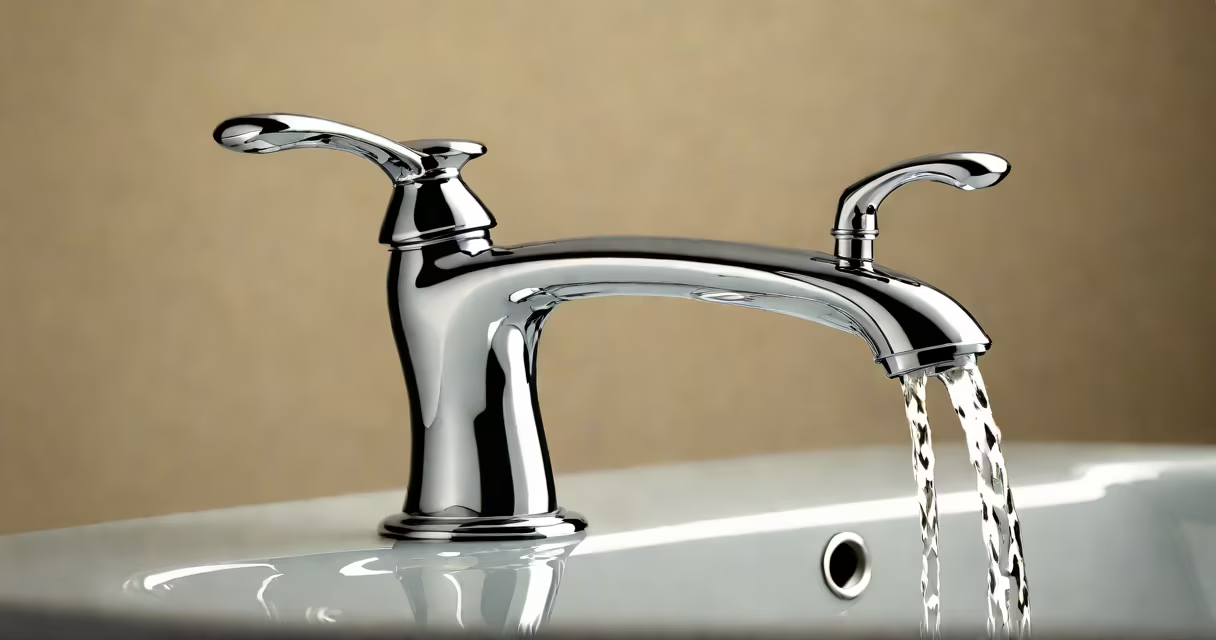
A chlorine smell in your house typically arises from chlorinated tap water, malfunctioning plumbing fixtures, or a failing water heater. This odor is most noticeable near sinks, showers, or laundry areas where water is used. The compound responsible is free chlorine, added to municipal water supplies to kill bacteria.
Free chlorine is stable in water but volatile when exposed to air. As water flows through pipes and exits faucets, residual chlorine evaporates into the air, producing a sharp, biting odor. The smell becomes stronger in warm environments-like hot showers or running dishwashers-because heat increases evaporation rates. In rare cases, a chlorine-like smell may come from chemical leaks, such as a broken pool chlorinator or improperly stored cleaning products.
The Environmental Protection Agency (EPA) sets safe limits for chlorine in drinking water at 4 parts per million (ppm). Levels above this threshold can cause irritation to eyes, nose, and throat. The American Chemical Society notes that chlorine concentrations below 1 ppm are generally undetectable by smell, but individuals vary in sensitivity. A persistent chlorine odor suggests either high residual levels or localized release points within the home's plumbing system.
Chlorine doesn't enter homes as a gas-it's introduced during water treatment. Municipal water systems add chlorine to prevent microbial contamination. Once in your home, chlorine dissolves in water and remains until disturbed. When water is agitated-during showering, washing dishes, or flushing toilets-chlorine molecules escape into the air as volatile compounds.
Hot water amplifies this effect. Water heaters can increase chlorine volatility by raising temperature. A study by the National Institute of Standards and Technology (NIST) found that chlorine vapor concentration increased by 60% when water was heated from 20°C to 40°C. This explains why the chlorine smell intensifies in bathrooms after a hot shower or in kitchens during dishwashing.
Plumbing materials also play a role. Older galvanized steel pipes can react with chlorine, forming chlorinated hydrocarbons. These byproducts may off-gas slowly over time, contributing to long-term indoor odors. Replacing corroded pipes reduces both chlorine exposure and potential byproduct formation.
Not all chlorine smells are the same. The intensity and location help identify the source. Below is a breakdown of typical scenarios:
| Source | Odor Type | When It Occurs | Typical Fix |
|---|---|---|---|
| Municipal tap water | Sharp, bleach-like | Always, especially after water sits overnight | Use activated carbon filter |
| Faulty water heater | Stronger, hotter air near hot water outlets | After hot water use | Flush tank, replace anode rod |
| Laundry machine | Wet fabric scent mixed with chlorine | During or after wash cycle | Clean lint trap, run empty cycle with vinegar |
| Pool or spa system leak | Overpowering, eye-stinging | Near basement or utility room | Inspect chlorinator, seal pipes |
One non-obvious fact: chlorine smell can persist in fabrics and porous surfaces even after water stops flowing. A 2021 EPA report found that cotton towels left in humid bathrooms retained detectable chlorine levels for up to 72 hours after washing. This explains why the smell lingers in linens or shower curtains long after the shower ends.
Not every chemical odor is chlorine. Some people mistake the smell of ammonia (from cleaning products) or hydrogen sulfide (from drains) for chlorine. Ammonia and chlorine mix to form toxic chloramine gas-a hazard in households using bleach and ammonia-based cleaners together.
Hydrogen sulfide, which smells like rotten eggs, is sometimes misidentified as chlorine. However, it's a different compound entirely. Sulfur bacteria in plumbing systems produce it, and it poses health risks at higher concentrations. The EPA warns that prolonged exposure to sulfur gases can lead to respiratory irritation and headaches.
One common error: assuming that a chlorine smell means your water is unsafe. In reality, chlorine is added intentionally to ensure water safety. The issue lies in concentration and exposure. If you're concerned, test your water with a chlorine-specific test strip. Kits from the National Sanitation Foundation (NSF) show results in under five minutes and confirm whether levels exceed recommended thresholds.
In 2022, a homeowner in Portland, Oregon, reported a persistent chlorine smell in their kitchen and bathroom. The odor intensified during morning showers and vanished after turning off the hot water. Initial tests showed chlorine levels in tap water were within EPA limits (0.8 ppm).
Further investigation revealed that the water heater's anode rod had degraded. The magnesium rod, designed to protect the tank from corrosion, reacted with chlorinated water, releasing hydrogen gas and increasing chlorine volatility. Replacing the rod with an aluminum one reduced the odor by 90% within 24 hours. The homeowner also installed a carbon filter on the kitchen faucet, eliminating residual chlorine taste and smell.
This case shows that even compliant water quality can produce noticeable odors due to internal plumbing chemistry. It also highlights the importance of regular maintenance-especially for older water heaters.
If the chlorine smell persists despite flushing taps and replacing filters, suspect a hidden leak or system failure. Check under sinks for pooling water or dampness. Inspect the water heater's pressure relief valve for signs of corrosion or leakage. If you smell chlorine near electrical outlets or vents, turn off power and contact a licensed plumber or HVAC technician.
For recurring issues, consult a certified water quality specialist. They can perform a full home water audit, including testing for chloramines (a combination of chlorine and ammonia used in some cities' water treatment). Cities like Los Angeles and Denver have switched to chloramines, which are less volatile but harder to remove with standard filters.
For those who notice chlorine in sink water specifically, a detailed guide on sink-specific chlorine issues covers filtration options, pipe material impacts, and daily habits that reduce exposure.
Understanding why your house smells like chlorine starts with identifying the source. Whether it's normal tap water, a faulty appliance, or a deeper plumbing issue, the solution depends on accurate diagnosis. Addressing the root cause prevents unnecessary stress and ensures safe indoor air quality.