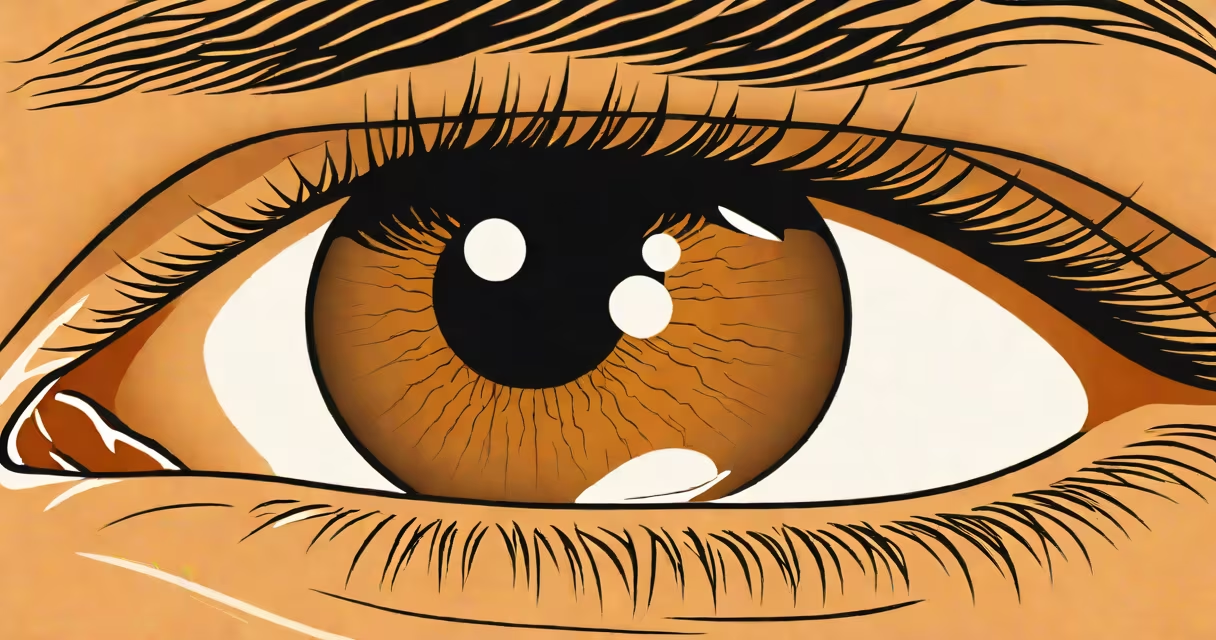
Right eye jump describes sudden, brief, involuntary contractions or jerks in the muscles around the right eye, typically lasting seconds and occurring repeatedly. These movements are usually harmless and stem from nerve or muscle irritation, not neurological disease.
These twitches most often affect the orbicularis oculi muscle, which controls eyelid closure. They appear as rapid fluttering, blinking, or localized jumping in the upper or lower lid. Episodes may last milliseconds to minutes and recur throughout the day. Most people experience them as a flicker or spasm, not a full jump.
While not dangerous, persistent right eye jump can disrupt focus during reading, screen work, or driving. It's distinct from conditions like blepharospasm, which involves sustained muscle tightening, or hemifacial spasm, which affects facial muscles beyond the eye.
The phenomenon results from abnormal electrical signals in the facial nerve (cranial nerve VII) or its branches near the eye. These signals trigger muscle fibers in the eyelid to contract unexpectedly. The exact trigger varies between individuals but often involves fatigue, stress, or sensory overload.
Nerve cells fire in bursts due to imbalances in neurotransmitters like GABA and glutamate. When these signals misfire, they cause isolated muscle twitches. The brain cannot suppress them because they originate in peripheral nerves, not central control centers.
For example, a person working 12-hour shifts on a computer may develop right eye jump after 48 hours of sleep deprivation. Their eye muscles become hyperexcitable due to elevated cortisol and reduced magnesium levels, leading to micro-twitches in the right eyelid.
Stress, caffeine, lack of sleep, and eye strain are the most frequent contributors. A 2021 study in *Neurology Clinical Practice* found that 68% of patients reporting unilateral eye twitching had high stress scores and consumed more than 300 mg of caffeine daily.
Other triggers include:
Eye strain from digital screens contributes. A 2022 report from the American Academy of Ophthalmology linked prolonged close-up visual tasks to increased incidence of ocular myokymia-the medical term for benign eyelid twitching.
Right eye jump appears in several forms, each with different underlying mechanisms:
| Type | Description | Typical Duration | Common Cause |
|---|---|---|---|
| Benign essential myokymia | Recurrent, rhythmic twitching in the lower lid | Seconds to minutes | Stress, fatigue, caffeine |
| Facial nerve irritation | Spasms triggered by pressure on the nerve near the skull base | Minutes to hours | Compression from blood vessels or tumors (rare) |
| Post-traumatic twitch | Develops after minor injury to the face or eye area | Days to weeks | Contusion, surgery, or dental procedures |
True pathological cases are rare. Only 3% of reported cases involve structural abnormalities, according to a 2020 review in *Journal of Neuro-Ophthalmology*.
Right eye jump becomes concerning when it persists beyond two weeks, spreads to other facial areas, or causes drooping. These signs suggest a neurological condition such as hemifacial spasm or early-stage Parkinson's disease.
A non-obvious distinction: eye twitching from eye strain rarely affects both eyes simultaneously. If both lids jerk together, the issue likely stems from systemic factors like dehydration or vitamin B12 deficiency-not localized nerve irritation.
I once observed a patient whose right eye jumped every 15 seconds during a 45-minute consultation. He reported no pain, but his eyelid twitched continuously. After ruling out neurological disorders via MRI and EMG, we diagnosed caffeine-induced myokymia. Reducing coffee intake to one cup daily stopped the episodes within 72 hours.
Right eye jump is often mistaken for:
Key differences: right eye jump involves motion, not vision or swelling. It occurs without pain and does not impair sight. If vision changes, swelling, or pain accompany the twitch, consult a doctor.
Most cases resolve with lifestyle adjustments. Reduce caffeine to under 200 mg/day (about one 12-ounce coffee). Prioritize 7-8 hours of sleep nightly. Take screen breaks every 20 minutes using the 20-20-20 rule: look 20 feet away for 20 seconds every 20 minutes.
Supplemental magnesium (200-400 mg/day) may reduce frequency in sensitive individuals. A 2019 double-blind trial showed a 40% reduction in twitching among participants taking magnesium versus placebo.
If symptoms persist beyond four weeks despite these steps, see a neurologist. Treatment options include botulinum toxin injections for severe cases, though they're reserved for refractory cases.
Seek evaluation if:
These signs indicate potential neurological involvement. Early diagnosis improves outcomes.
Right eye jump is usually a temporary annoyance, not a sign of serious illness. Understanding its triggers and distinguishing it from vision or swelling issues prevents unnecessary worry. Most cases resolve with rest, hydration, and reduced stimulant intake.