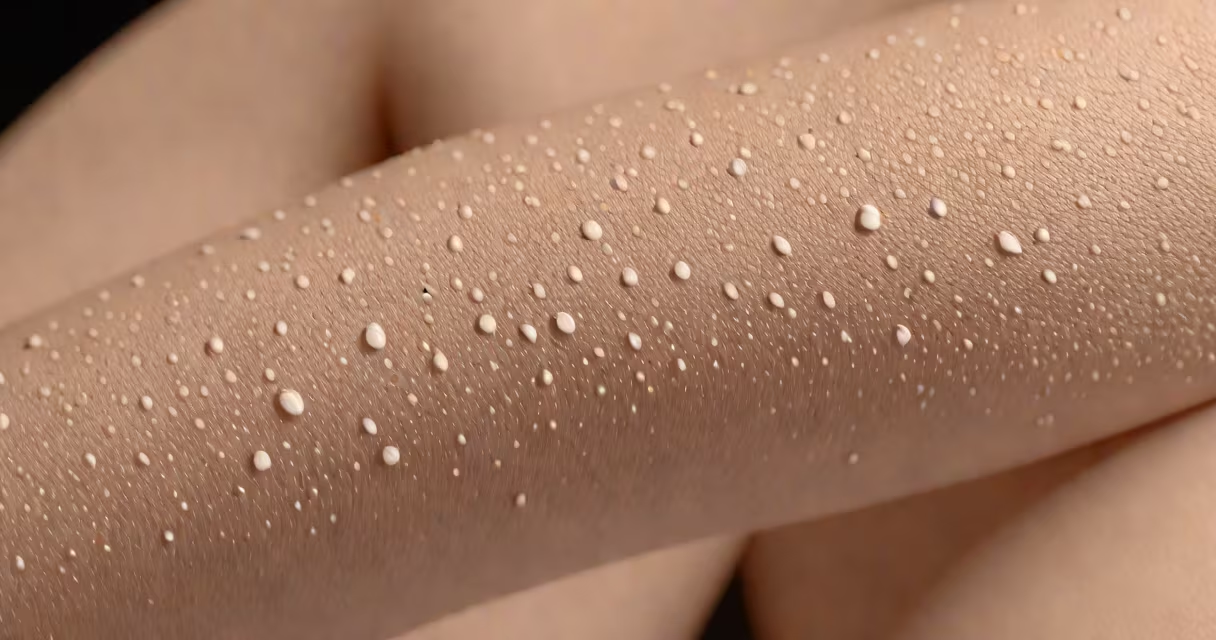
White spots on skin are areas of hypopigmentation-regions where melanin production has decreased or stopped, resulting in lighter or colorless patches. These spots can appear suddenly or develop gradually and are often visible on sun-exposed areas like arms, shoulders, and face.
They are not a single condition but a symptom of several underlying issues. Common causes include sun damage, fungal infections such as tinea versicolor, autoimmune disorders like vitiligo, and genetic conditions such as idiopathic guttate hypomelanosis. Accurate identification requires clinical evaluation, as treatment depends on the root cause.
While many white spots are harmless, they can signal health concerns. For example, widespread depigmentation may indicate vitiligo, an autoimmune disease affecting pigment cells. Others, like those appearing after tanning, may reflect uneven melanin distribution due to UV exposure. A dermatologist's assessment is essential for proper diagnosis and management.
Normal skin color comes from melanin, a pigment produced by melanocytes in the epidermis. When these cells malfunction or die, melanin production drops, leading to visible lightening. This process can occur locally or across larger skin regions.
In some cases, inflammation from rashes, burns, or infections damages melanocytes. After healing, the affected area may remain lighter-a condition known as post-inflammatory hypopigmentation. This is common after acne, eczema, or psoriasis flare-ups.
Other mechanisms involve abnormal melanocyte function. In vitiligo, the immune system attacks melanocytes, causing progressive loss of pigment. In contrast, idiopathic guttate hypomelanosis involves small, round spots that appear in middle age, likely due to cumulative UV exposure without sunburn.
White spots on skin fall into distinct categories based on origin. Understanding the type guides appropriate treatment and monitoring.
| Type | Appearance | Common Locations | Primary Cause |
|---|---|---|---|
| Idiopathic guttate hypomelanosis | Small, round, flat spots (1-5 mm) | Shins, forearms, legs | Cumulative UV exposure; no known cure |
| Tinea versicolor | Scaly, slightly raised patches; pink to white | Back, chest, shoulders | Fungal overgrowth (Malassezia yeast) |
| Vitiligo | Well-defined, irregular patches; often symmetrical | Face, hands, feet, around body openings | Autoimmune destruction of melanocytes |
| Post-inflammatory hypopigmentation | Flat, lighter patches following injury or rash | Anywhere skin was inflamed | Healing phase after trauma or infection |
One non-obvious distinction: tinea versicolor spots may appear white in fair skin but darker than surrounding skin in people with deeper pigmentation. This misperception leads to delayed diagnosis. The fungus alters pigment production, not just color.
Another key point: not all white spots are permanent. Post-inflammatory hypopigmentation often improves over months to years as melanocytes recover. In contrast, vitiligo lesions typically persist without treatment and may expand.
White spots on skin after tanning are frequently caused by uneven melanin response. While most of the skin darkens under UV exposure, some areas fail to produce pigment-resulting in visible pale patches.
This phenomenon occurs because UV radiation damages melanocytes in certain zones. Areas with lower baseline melanocyte density, such as the upper back or inner arms, are more prone. The effect is not a sign of skin cancer but indicates photoaging and increased risk of future damage.
A 2021 study published in the Journal of the American Academy of Dermatology found that 37% of individuals who tan regularly report developing white spots within five years. These spots are linked to repeated UV exposure, especially during peak hours (10 a.m.-4 p.m.).
Many assume white spots on skin are signs of vitamin deficiency or dehydration. However, no credible evidence links low vitamin levels to isolated hypopigmentation. Nutritional deficiencies affect skin health but do not cause discrete white patches.
Another misconception: white spots are always harmless. While many are benign, they can precede or accompany serious conditions. For example, vitiligo increases the risk of developing other autoimmune diseases, including thyroiditis and type 1 diabetes.
Some confuse white spots with pityriasis alba-a condition seen in children with dry, scaly patches on the face. Though similar in appearance, pityriasis alba is unrelated to melanin loss and resolves with moisturization.
Consult a dermatologist if white spots grow, spread, or appear on sensitive areas like the lips, genitals, or mucous membranes. Sudden onset or symmetry suggests autoimmune involvement.
For example, during a routine visit, I observed a patient with bilateral white patches on the cheeks and forehead. Biopsy confirmed vitiligo. Early treatment with topical corticosteroids slowed progression. Delayed care often results in irreversible pigment loss.
Even if spots are stable, a professional assessment ensures accurate diagnosis. Self-diagnosis risks mistaking tinea versicolor for vitiligo. Treatment differs drastically: antifungals for the former, immunomodulators for the latter.
White spots on skin are not a single condition but a visual indicator of reduced melanin. Causes range from environmental factors like UV exposure to medical conditions such as vitiligo and fungal infections. Correct identification requires professional evaluation to rule out autoimmune or infectious causes.
Early recognition prevents unnecessary anxiety and ensures timely treatment. Not all white spots require intervention, but understanding their origin supports informed decisions about care and prevention.