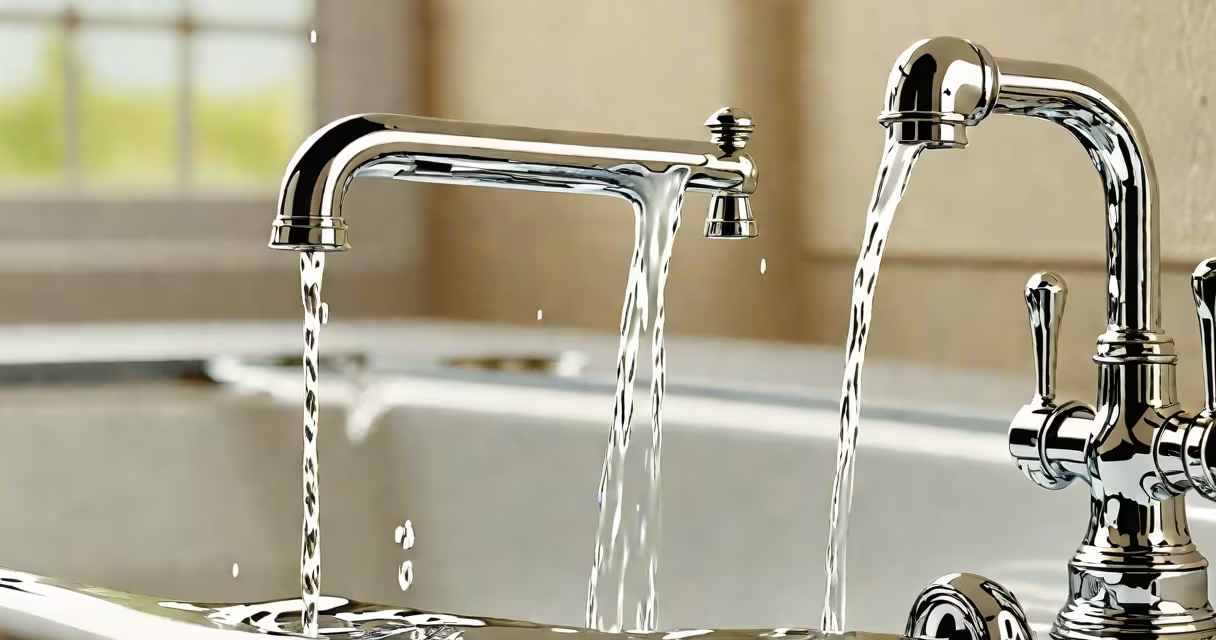
Tap water often contains chlorine to kill harmful bacteria and viruses, which can leave a distinct chemical smell in sink water. This odor is normal in municipal water supplies but may indicate issues if it's unusually strong or persistent.
Chlorine is added during water treatment to ensure public health safety. The Environmental Protection Agency (EPA) sets limits on chlorine levels in drinking water, requiring concentrations between 0.2 and 4.0 milligrams per liter (mg/L). Levels above 4.0 mg/L are considered excessive and may trigger complaints.
When chlorine dissolves in water, it forms hypochlorous acid, which attacks microbial cell walls. This process is effective but produces a noticeable odor. The smell becomes more apparent when water is heated, such as during dishwashing or showering, because heat increases chlorine volatility.
Water utilities add chlorine to municipal systems to prevent disease outbreaks. After treatment, chlorine travels through pipes to homes. By the time it reaches your sink, residual chlorine remains to maintain disinfection throughout the distribution network.
Home plumbing systems can amplify the smell. Stagnant water sitting in pipes overnight allows chlorine to concentrate. Running the tap for 30 seconds to a minute typically flushes out stagnant water and reduces odor. This is especially true in older homes with long pipe runs or low water pressure.
Private wells do not receive chlorine treatment unless owners install their own systems. If you have a well and detect chlorine, it likely came from a home filtration system or accidental contamination.
Chlorine appears in several forms in water systems. The most common is free chlorine, used in most municipal supplies. It's effective but volatile, leading to strong odors. Another form is chloramine, a combination of chlorine and ammonia used in some cities to reduce byproduct formation.
Chloramine lasts longer in pipes than free chlorine, reducing the need for frequent re-chlorination. However, it can produce a musty or medicinal smell, sometimes mistaken for chlorine. Cities like New York and Chicago use chloramines, and residents report higher sensitivity to odor changes.
| Source Type | Common Use | Odor Profile | Health Considerations |
|---|---|---|---|
| Free Chlorine | Municipal systems (e.g., Los Angeles, Atlanta) | Sharp, biting, bleach-like | Safe within EPA limits; may irritate sensitive individuals |
| Chloramine | Many U.S. cities (e.g., Seattle, Denver) | Musty, medicinal, less intense | Generally stable; may affect kidney dialysis patients |
| Chlorine Dioxide | Rare; used in some rural systems | Sharp, pungent, similar to bleach | Regulated strictly; high levels cause respiratory irritation |
A 2021 study by the American Water Works Association (AWWA) found that 68% of surveyed water utilities used free chlorine, while 22% used chloramine. Only 10% reported using chlorine dioxide. These percentages reflect regional differences in infrastructure and regulatory choices.
Chlorine smell is generally harmless at regulated levels. The EPA confirms that chlorine in drinking water poses no significant health risk to healthy adults. However, prolonged exposure to high levels may cause skin dryness, eye irritation, or respiratory discomfort in sensitive individuals.
Unusual intensity or persistence suggests a problem. If the smell remains strong after running cold water for two minutes, or returns quickly after flushing, the issue may lie in your home's plumbing. Corroded pipes, old water heaters, or biofilm buildup can trap chlorine and release it slowly.
I once replaced a corroded brass fitting in a bathroom sink that had been emitting a persistent chlorine odor. After replacing the part, the smell vanished. The metal had catalyzed chlorine breakdown into compounds with stronger odors. This is rare but documented in plumbing repair logs.
Many assume chlorine smell means contaminated water. That's incorrect. Chlorine is added to prevent contamination. A strong smell doesn't mean the water is dirty-it means the disinfectant is working.
Another myth is that boiling water removes chlorine. Boiling actually increases chlorine volatility, making the smell worse. To remove chlorine, use activated carbon filters or let water sit uncovered for 24 hours. Aeration reduces chlorine levels by 90% over that time.
Install a carbon filter under the sink. These filters use granular activated carbon (GAC) to adsorb chlorine molecules. They reduce chlorine by 95% or more and improve taste. Brands like Brita and Aquasana offer models rated for 100 gallons of use.
Run cold water for 30 seconds before use. This flushes stagnant water from pipes. In homes with long pipe runs, this step reduces odor. For showers, let water run for 60 seconds to clear chlorine buildup in showerheads.
If the smell persists despite these steps, contact your local water authority. Ask for a copy of your annual water quality report. These reports list chlorine levels and other contaminants. You can access them via the EPA's Safe Drinking Water Information System (SDWIS).
For ongoing concerns, consider a whole-home filtration system. These systems use multiple stages-sediment filters, carbon blocks, and reverse osmosis-to remove chlorine and other impurities. They cost $500-$2,000 installed but last 5-10 years.
Call a licensed plumber if the smell returns after cleaning or replacing fixtures. Corrosion in copper or galvanized steel pipes can trap chlorine and release it over time. A professional inspection can identify hidden issues.
If you're pregnant, have a compromised immune system, or live with asthma, consult a healthcare provider about prolonged chlorine exposure. While rare, some people report increased respiratory symptoms in areas with high chlorine use.
Chlorine in sink water is normal and safe when levels stay within EPA guidelines. The smell is a sign of protection, not danger. With simple fixes, you can eliminate the odor without changing your water source.