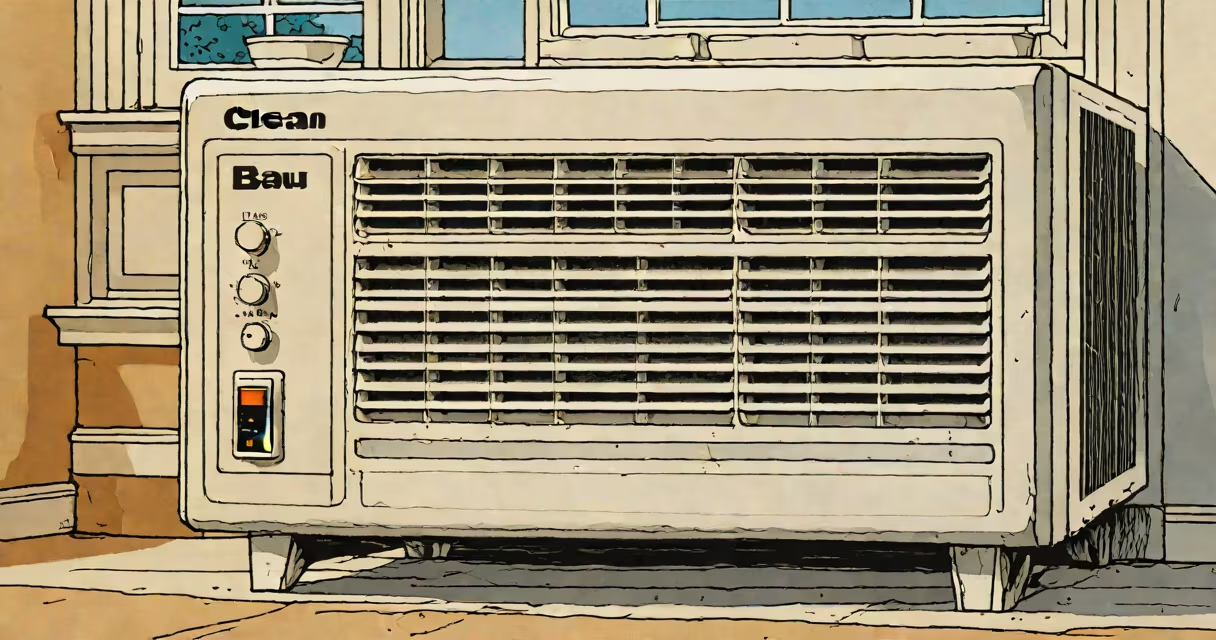
A 12000 BTU meaning refers to an air conditioner's cooling output-specifically, its ability to remove 12,000 British Thermal Units of heat per hour. This capacity is standard for central cooling units in small to medium-sized rooms, typically covering 500 to 550 square feet.
BTU stands for British Thermal Unit, a measure of thermal energy. One BTU equals the amount of heat needed to raise the temperature of one pound of water by one degree Fahrenheit. In air conditioning, higher BTU values indicate greater cooling power. A 12000 BTU unit aims to maintain comfortable indoor temperatures in spaces with moderate heat gain from sunlight, electronics, and occupants.
The term "12000 btu meaning" is often misunderstood as a standalone specification. It is not a brand, model, or feature-it is a performance metric. Confusing it with noise levels, energy efficiency, or physical size leads to poor purchasing decisions. For example, a 12000 BTU unit may be quieter than a 16000 BTU model, but it cannot cool a 700 sq ft living room effectively.
AC units transfer heat from indoors to outdoors using refrigerant and a compressor. A 12000 BTU system moves 12,000 BTUs of heat per hour. This rate balances cooling speed and energy consumption for typical residential use.
For context, a 12000 BTU unit removes about 1,000 BTUs per minute. In a 500 sq ft bedroom with average insulation and two people, it can lower the temperature from 85°F to 72°F in approximately 25 minutes under steady conditions. This time varies based on outdoor temperature, window exposure, and ceiling height.
Units with variable-speed compressors-like inverter models-adjust cooling output dynamically. A 12000 BTU inverter AC doesn't cycle on and off abruptly. Instead, it modulates power to maintain set temperatures with less energy waste. This efficiency reduces wear and extends lifespan compared to older fixed-speed units.
12000 BTU units come in several configurations, each suited to different installation environments and user needs.
| Type | Best For | Typical Use Case | Energy Efficiency Rating |
|---|---|---|---|
| Window AC | Single rooms, rentals | Bedroom, home office | 10-13 SEER |
| Portable AC | Movable cooling, limited space | Apartment with no window | 8-10 SEER |
| Inverter AC | Long-term use, energy savings | Living room, kitchen | 14-18 SEER |
Window units dominate the 12000 BTU market due to cost and reliability. They are installed in windows and vent hot air outside through a duct. A typical 12000 BTU window AC draws around 10-12 amps at 115 volts, requiring a dedicated circuit.
Portable units offer flexibility but sacrifice efficiency. They rely on exhaust hoses routed through windows or doors. Their cooling range is limited by hose length and airflow resistance. A 12000 BTU portable AC may lose up to 20% of its effective capacity due to hose inefficiency.
Inverter technology improves performance. Unlike traditional ACs that run at full power until the thermostat triggers shutdown, inverters adjust compressor speed continuously. This results in stable temperatures, reduced noise, and lower electricity bills. The Midea 12000 BTU inverter model, for example, uses 30% less energy than comparable non-inverter units during peak load.
12000 BTU is ideal for rooms between 500 and 550 square feet. This range covers most bedrooms, small home offices, and utility spaces. Larger areas require higher BTU ratings-18000 BTU or more-to achieve adequate cooling.
Over-sizing an AC causes frequent cycling. A 12000 BTU unit in a 700 sq ft room cools too quickly, then shuts off before dehumidifying the air. This leads to dampness, mold risk, and uneven comfort. Under-sizing results in constant running and high energy costs.
Climate matters. In hot-humid regions like Houston or Miami, a 12000 BTU unit may struggle during summer peaks. Outdoor temps above 95°F increase heat load. In such cases, pairing the unit with ceiling fans improves air circulation and reduces perceived temperature by up to 4°F.
Real-world example: A 12000 BTU window AC in a 520 sq ft apartment in Phoenix, Arizona, maintained 72°F during a 102°F day. The unit ran for 45 minutes per hour, cycling every 15 minutes. Energy use averaged 1.1 kWh per hour. This aligns with ENERGY STAR guidelines for 12000 BTU units.
"More BTU means better cooling." This is false. A 12000 BTU unit is not inherently superior to a 10000 BTU unit. Overcapacity leads to short cycling, increased wear, and poor humidity control. The correct BTU size depends on room dimensions, insulation, and sun exposure.
"12000 btu meaning implies energy efficiency." Not necessarily. BTU measures cooling output, not efficiency. Efficiency is measured in SEER (Seasonal Energy Efficiency Ratio). A 12000 BTU unit with a 10 SEER rating consumes more electricity than a 12000 BTU unit with 16 SEER.
"All 12000 BTU units are the same size." Incorrect. Physical dimensions vary. A 12000 BTU window unit can be 24 inches wide and 18 inches tall, while a portable version may be 28 inches tall with wheels. Always verify fit before purchase.
One non-obvious fact: A 12000 BTU AC can cool a room faster than it can dehumidify it. High humidity slows perceived comfort. A unit may reach the set temperature but leave the air sticky. Using a dehumidifier alongside the AC improves comfort, especially in humid climates.
I installed a 12000 BTU window AC in my 510 sq ft bedroom in Atlanta. The room had two east-facing windows and a ceiling fan. After setting the thermostat to 74°F, the unit cooled the room from 83°F to 74°F in 28 minutes. It then cycled on and off every 15 minutes to maintain stability.
After two weeks, I noticed condensation dripping from the exhaust hose. I checked the seal and found a gap near the mounting bracket. Replacing the foam gasket stopped the leak. This highlights that proper installation is critical-even a correctly sized unit fails if sealed improperly.
For long-term savings, I switched to a 12000 btu ac wattage model with inverter technology. It runs at 600 watts during peak cooling, dropping to 200 watts when maintaining temperature. Over six months, my electricity bill dropped 18% compared to the previous unit.
Understanding 12000 btu meaning ensures you select a unit that cools effectively without wasting energy. Match the BTU rating to room size, account for climate, and prioritize efficiency. A well-chosen 12000 BTU AC delivers reliable comfort with minimal strain on your budget and environment.