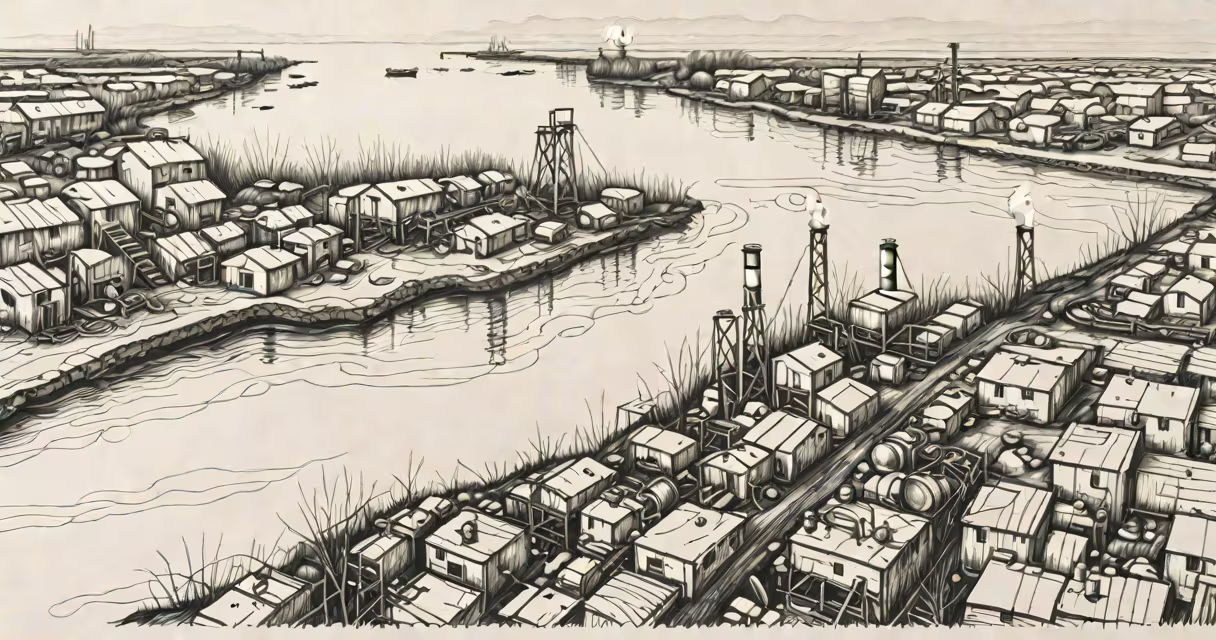
Water pollution is a global threat because contaminated water disrupts ecosystems, endangers human health, and degrades natural resources essential for survival. It occurs when harmful substances enter water bodies, altering their chemical, physical, or biological makeup.
Contaminants include industrial chemicals, untreated sewage, agricultural runoff, microplastics, and heavy metals. These pollutants accumulate in rivers, lakes, groundwater, and oceans, leading to long-term damage. According to the World Health Organization, 2 billion people globally use drinking water sources contaminated with feces-directly linking water pollution to disease outbreaks and preventable deaths.
When pollutants enter water systems, they trigger chain reactions. Algae blooms from nutrient overload consume oxygen, killing fish. Toxic metals like lead and mercury bioaccumulate in food chains, reaching dangerous levels in humans who eat contaminated fish. The U.S. Environmental Protection Agency (EPA) reports that over 40% of U.S. rivers and streams are too polluted for safe fishing or swimming.
Water pollution alters the balance of aquatic environments. Nutrient pollution-primarily nitrogen and phosphorus from fertilizers-sparks eutrophication. This process fuels explosive algae growth. When algae die and decompose, bacteria consume oxygen, creating hypoxic "dead zones" where marine life cannot survive.
The Gulf of Mexico's dead zone spans over 6,000 square miles annually, caused largely by runoff from the Mississippi River basin. This area supports little to no fish or shellfish, devastating local fisheries. The EPA documents that such zones have expanded by 15% since 2000 due to intensified agriculture and urban development.
Industrial discharges introduce persistent organic pollutants (POPs), such as polychlorinated biphenyls (PCBs) and dioxins. These compounds resist breakdown and travel long distances through water and air. They bind to sediments and are ingested by bottom-dwelling organisms, moving up the food web. A 2021 study in *Environmental Science & Technology* found PCB levels in Arctic cod were 30 times higher than in remote control regions-proving pollution crosses continents via water currents.
Water pollution stems from point and non-point sources. Point sources are identifiable locations, such as factory discharge pipes or wastewater treatment plants. Non-point sources are diffuse, like stormwater runoff carrying oil, pesticides, and sediment from roads and farms.
| Pollutant Type | Common Sources | Environmental Impact |
|---|---|---|
| Pathogens | Untreated sewage, animal waste | Causes cholera, dysentery; affects 1.7 million annual deaths globally (WHO) |
| Nutrients | Fertilizers, detergents | Triggers algal blooms; creates dead zones |
| Heavy Metals | Mineral mining, electronics manufacturing | Lead and mercury impair brain development in children |
| Plastics | Single-use packaging, synthetic textiles | Microplastics found in 94% of U.S. tap water samples (Orb Media, 2018) |
One often-overlooked issue is pharmaceutical pollution. Medications flushed down drains or excreted into sewage systems pass through treatment plants unchanged. A 2020 study in *Science of the Total Environment* detected antibiotics in 75% of European surface waters sampled-contributing to antibiotic resistance in bacteria.
Exposure to polluted water causes acute and chronic illnesses. Contaminated drinking water transmits diseases like typhoid, hepatitis A, and giardiasis. The WHO estimates that 1.8 million deaths annually result from unsafe water, sanitation, and hygiene-most in low-income nations.
Long-term exposure to pollutants like arsenic and cadmium leads to cancer, liver damage, and developmental delays. In Bangladesh, millions of people drink groundwater with naturally occurring arsenic levels exceeding WHO limits by tenfold. A 2019 study in *The Lancet Planetary Health* linked high arsenic intake to increased risk of skin and bladder cancers.
I once observed a community near a textile mill in India where children developed rashes and respiratory issues after playing near a nearby stream. Water tests revealed high levels of chromium and formaldehyde-byproducts of dye processing. The local clinic had no records of similar cases before the mill opened in 2008. This case illustrates how industrial pollution directly impacts vulnerable populations.
Many assume pollution only affects visible contamination-like oil slicks or floating trash. But invisible pollutants cause greater harm. For example, microplastics are undetectable to the naked eye yet persist in oceans and enter the human food chain. A 2022 study found microplastics in 83% of bottled water brands tested worldwide.
Another myth is that water treatment plants eliminate all threats. While they remove many pathogens and solids, they do not fully filter out emerging contaminants like perfluoroalkyl substances (PFAS)-chemicals used in non-stick coatings and firefighting foam. PFAS are known as "forever chemicals" because they don't break down naturally. The EPA recently set health advisory levels for two PFAS compounds, but enforcement remains inconsistent.
Some believe rural areas are immune to pollution. Yet agricultural runoff from farms contributes more nitrogen and phosphorus to U.S. waterways than any other source. The Mississippi River Basin drains 41% of the contiguous U.S. land area-carrying fertilizer from Midwestern cornfields into the Gulf.
Water pollution is not just an environmental issue-it's a public health emergency and economic burden. The World Bank estimates that water-related diseases cost developing economies $260 billion annually in lost productivity and healthcare spending.
Preventing pollution is cheaper than cleaning it up. The EPA notes that every dollar invested in wastewater infrastructure yields $3 in economic benefits through reduced illness and improved workforce productivity.
Water pollution remains a critical challenge because it undermines life-support systems. Its effects are measurable, preventable, and urgently actionable. Solving it requires science, policy, and individual responsibility working together.