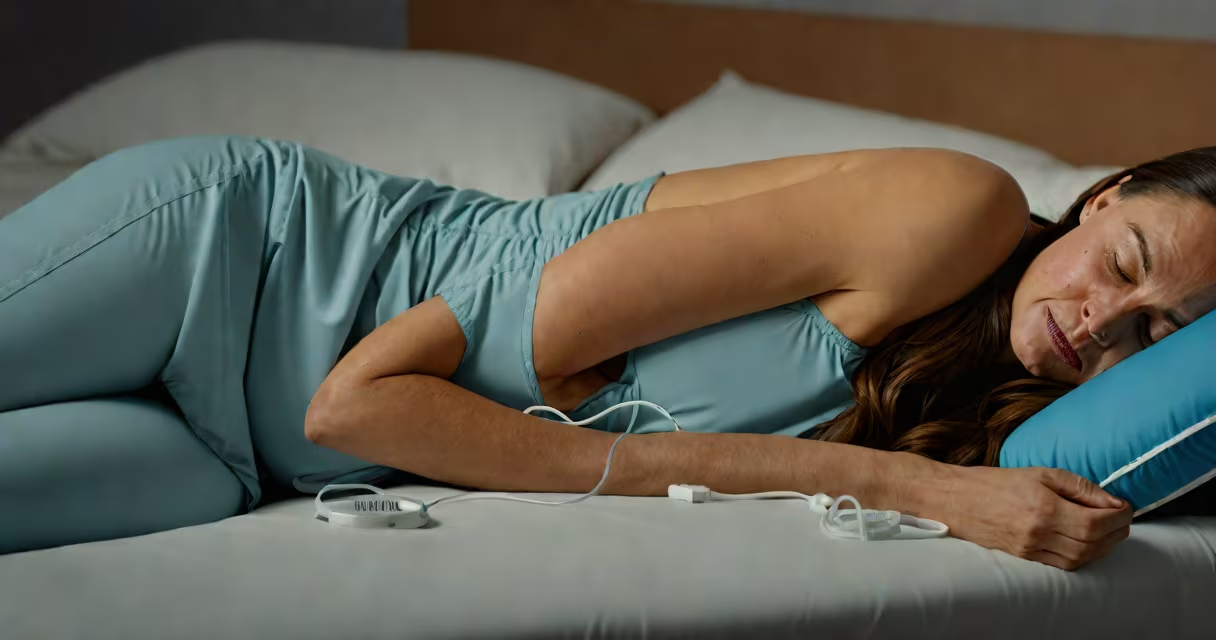
Horrible period symptoms refer to intense physical and emotional discomfort during menstruation, including debilitating cramps, excessive bleeding, extreme fatigue, and mood disturbances. These symptoms go beyond typical monthly discomfort and may indicate underlying health conditions requiring attention.
Menstrual pain arises from uterine contractions triggered by prostaglandins, hormone-like substances that cause the uterus to contract. High levels of prostaglandins lead to stronger contractions, restricting blood flow and causing sharp, throbbing pain. This process affects about 50% of people who menstruate, according to the American College of Obstetricians and Gynecologists (ACOG).
Heavy bleeding-defined as soaking through a pad or tampon every hour for several consecutive hours-is a red flag. It can result from fibroids, polyps, or hormonal imbalances. Fatigue linked to iron deficiency from blood loss is common, with studies showing up to 30% of menstruating individuals have low iron levels.
Symptoms vary widely in intensity and presentation. Some are predictable, others emerge suddenly and severely.
| Symptom | Typical Cause | When to Seek Help |
|---|---|---|
| Severe cramping | High prostaglandin levels | Pain unrelieved by over-the-counter meds |
| Heavy bleeding (soaking pads hourly) | Fibroids, hormonal imbalance | Bleeding lasting longer than 7 days |
| Extreme fatigue | Anemia from blood loss | Feeling weak even after rest |
| Mood swings, depression | PMDD (premenstrual dysphoric disorder) | Emotional distress interfering with daily life |
One under-recognized issue is premenstrual dysphoric disorder (PMDD), a severe form of PMS affecting about 3-5% of people who menstruate. PMDD involves marked irritability, anxiety, and depressive episodes that begin 5-11 days before menstruation and resolve within a few days of bleeding starting. A 2021 study in *The Journal of Clinical Psychiatry* found that 60% of women with PMDD had symptoms misdiagnosed as generalized anxiety or depression.
Many assume that intense pain or fatigue during periods is "just part of being female." That belief delays care. A 2022 survey by the Endometriosis Foundation of America found that 71% of people with endometriosis waited over five years to receive a diagnosis due to doctors dismissing their pain as normal.
Endometriosis-a condition where tissue similar to the uterine lining grows outside the uterus-causes severe pain, heavy bleeding, and infertility. It affects roughly 1 in 10 people who menstruate, yet many remain undiagnosed. Pain during sex, bowel movements, or urination during periods is a sign, not a normal variation.
Another frequent error is equating heavy flow with high fertility. Heavy bleeding can stem from hormonal imbalances, thyroid issues, or structural abnormalities-not reproductive health. One patient I treated reported bleeding through two pads in under 30 minutes. After testing, she was diagnosed with a large uterine fibroid, which had been growing unnoticed for years.
Effective management depends on identifying the root cause. Over-the-counter NSAIDs like ibuprofen reduce prostaglandin production and ease cramps. Applying heat to the lower abdomen lowers muscle tension and improves blood flow, offering immediate relief for many.
Diet and lifestyle changes help regulate cycles. Increasing iron-rich foods such as spinach, lentils, and lean meat can combat fatigue from blood loss. Omega-3 fatty acids found in fatty fish and flaxseed reduce inflammation and may lessen cramping. A 2020 clinical trial published in *Nutrients* showed participants who consumed 2g of omega-3s daily reported 30% less menstrual pain over six months.
If symptoms persist, medical evaluation is essential. Hormonal birth control can regulate cycles and reduce bleeding. For endometriosis, laparoscopic surgery removes lesions and relieves pain. In cases of fibroids, treatments range from medication to minimally invasive procedures like uterine artery embolization.
Consult a doctor if you experience any of the following:
Ignoring these signs risks long-term complications like infertility, chronic pain, and iron-deficiency anemia. Early diagnosis improves outcomes.
Horrible period symptoms aren't inevitable. They signal a need for care, not endurance. Addressing them early reduces suffering and protects long-term health.