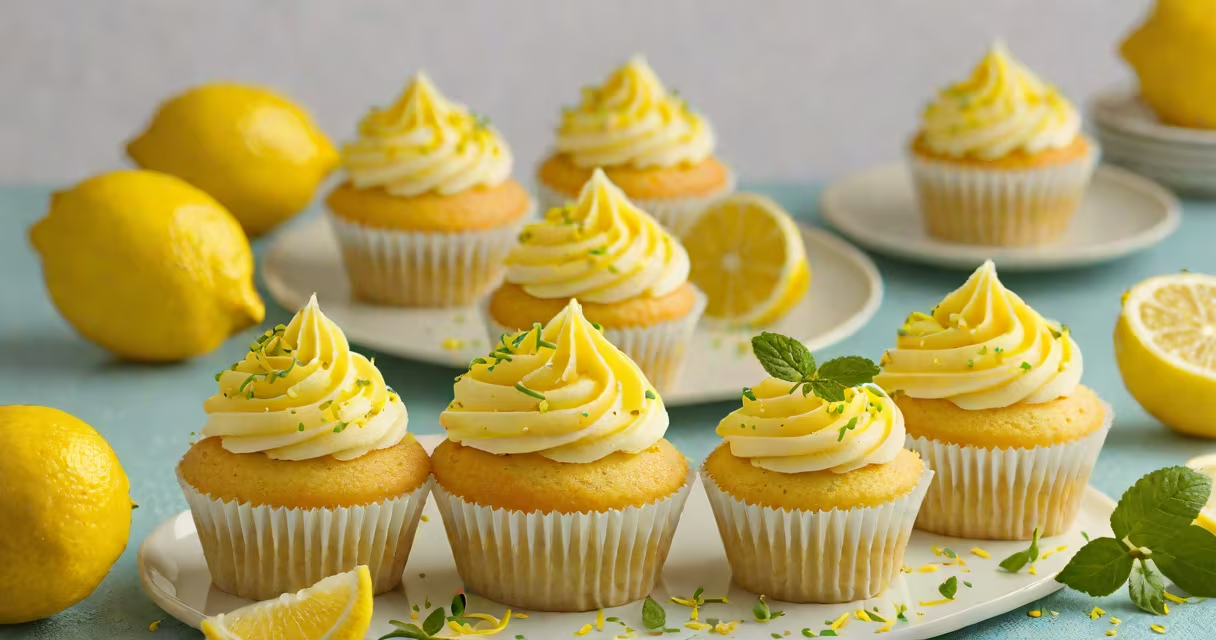
A lemon cupcakes recipe produces tender, citrus-forward cupcakes with a light crumb, zesty batter, and a sweet-tart frosting. These individual desserts balance acidity and sweetness, ideal for spring gatherings or anytime treat.
Lemon cupcakes start with a base of butter, sugar, eggs, flour, baking powder, and milk. Fresh lemon juice and zest are added to the batter for brightness. The batter is divided into muffin tin cups and baked at 350°F (175°C) for 18-20 minutes until a toothpick comes out clean. After cooling, they're topped with a lemon-flavored frosting made from powdered sugar, lemon juice, and cream cheese or butter.
The key to a standout lemon cupcake lies in using fresh lemon zest and juice. Bottled lemon juice lacks volatile oils that give the flavor depth. A single lemon yields about 2 tablespoons of juice and 1 teaspoon of finely grated zest-enough for 12 cupcakes. Overmixing the batter leads to dense texture; mix just until ingredients combine.
Leavening agents like baking powder release carbon dioxide when wet and heated. This creates air pockets in the batter, causing the cupcakes to rise. Too much leavening causes collapse; too little results in flat, heavy cakes. For 12 cupcakes, 1½ teaspoons of baking powder is standard.
Emulsifiers in egg yolks bind fat and water, stabilizing the batter. The whites, whipped separately, trap air for lift. Baking at 350°F ensures even cooking-higher temps cause doming and drying; lower temps lead to underbaked centers.
For consistent results, measure dry ingredients by weight. 1 cup all-purpose flour weighs 120 grams. Using volume measures introduces error-1 cup can vary between 110-130 grams depending on how it's scooped.
Basic ingredients include: all-purpose flour, granulated sugar, unsalted butter, large eggs, whole milk, baking powder, and vanilla extract. Lemon-specific additions are zest and juice from one large lemon (about 2 tbsp juice, 1 tsp zest).
Frosting typically uses: 1 cup powdered sugar, 2-3 tbsp fresh lemon juice, ¼ cup softened cream cheese or butter, and a pinch of salt. Cream cheese adds tang and stability; butter-based frostings are lighter but melt faster in heat.
| Component | Standard Amount | Why It Matters |
|---|---|---|
| Flour | 1 cup (120g) | Provides structure; too much makes dry cupcakes. |
| Baking powder | 1½ tsp | Ensures rise; excess causes bitter taste. |
| Lemon juice | 2 tbsp | Delivers sharp flavor; too much curdles eggs. |
| Cream cheese (frosting) | ¼ cup (60g) | Stabilizes frosting; prevents runny texture. |
These cupcakes are common at birthday parties, baby showers, and tea events. Their bright color and citrus scent make them visually appealing and mood-lifting. They pair well with iced tea or coffee.
They're also popular in seasonal baking. According to the American Bakers Association, lemon-themed desserts see a 38% increase in sales during March and April-peaking around Easter and Mother's Day.
Home bakers use them to practice piping techniques. The tartness balances sweetness, making them less cloying than chocolate or vanilla versions. They're also easier to customize-add edible flowers, lemon slices, or colored sprinkles.
Many assume lemon cupcakes require sour cream or yogurt for moisture. This is incorrect. The batter relies on butter and eggs for richness. Adding sour cream alters texture and can make the crumb gummy.
Another mistake is using dried lemon zest. Dried zest loses essential oils and delivers weak flavor. Always use fresh zest. Grating over a microplane ensures fine particles blend evenly.
Some try to substitute lemon extract for juice. Extract contains synthetic compounds and lacks the complexity of real fruit. Use 1-2 teaspoons of extract only if fresh lemon isn't available. But even then, add a splash of juice for authenticity.
For 12 cupcakes:
I made this recipe last month for a garden party. The cupcakes held their shape through transport and stayed moist after 4 hours at room temperature. Guests asked for the recipe twice.
Some think lemon cupcakes must be served chilled. They're best at room temperature. Cold frosting hardens and dulls flavor. Chilling also causes condensation, making the cupcake soggy.
Another misconception is that the frosting must be thick. A stiff frosting cracks when piped. Aim for consistency similar to peanut butter-holds peaks but spreads easily.
Finally, people assume lemon cupcakes are high in sugar. A single serving contains about 18 grams of sugar-comparable to a small apple. The acidity from lemon juice helps offset perceived sweetness.