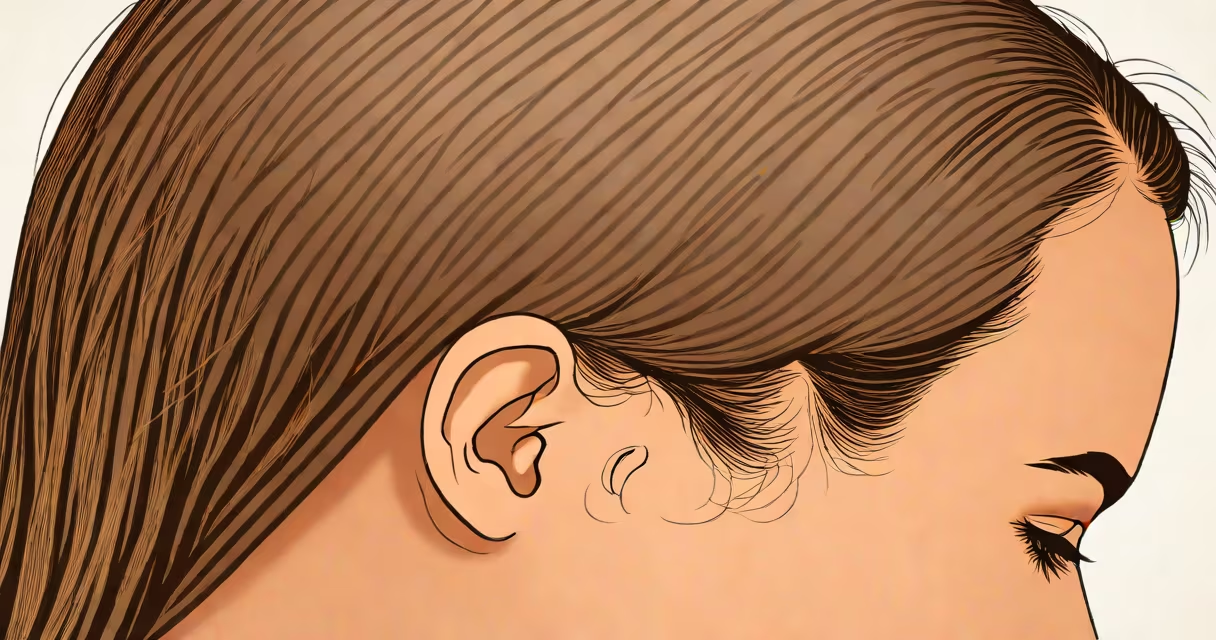
Common causes of female hair loss include hormonal imbalances, nutrient deficiencies, stress-induced shedding, and genetic predisposition. These factors disrupt the hair growth cycle, leading to visible thinning or patchy hair loss. Identifying the root trigger is essential for effective treatment.
Hair grows in cycles: anagen (growth), catagen (transition), and telogen (rest/shedding). Normally, 85-90% of scalp hairs are in the anagen phase. When external or internal stressors interfere, more follicles enter telogen prematurely, causing increased shedding. This process is known as telogen effluvium.
For most women, hair loss begins subtly-noticeable through increased hair in the shower drain, on pillows, or in brushes. Over time, the part widens, and the crown appears thinner. Not all hair loss is the same. Some causes are temporary; others require medical intervention.
The scalp hosts approximately 100,000 hair follicles. Each follicle goes through a life cycle lasting 2-6 years during anagen. After this, it enters catagen (2-3 weeks), then telogen (3 months). At the end of telogen, the hair sheds and a new one begins growing.
When stressors disrupt this cycle, follicles may skip anagen or shorten it. This leads to shorter, finer hairs and reduced density. A sudden drop in estrogen, thyroid hormone, or iron levels can push follicles into telogen within days. The result: diffuse thinning across the scalp, not just the crown.
Unlike male pattern baldness, which often starts at the temples and recedes, female hair loss typically presents as thinning, especially at the center part. It rarely results in complete baldness unless underlying conditions go untreated.
Four major categories explain most cases of female hair loss: hormonal, nutritional, stress-related, and genetic. Each has distinct onset patterns and response to treatment.
| Type | Trigger | Onset | Recovery Time |
|---|---|---|---|
| Telogen effluvium | Postpartum, crash dieting, surgery, severe illness | 2-4 months after event | 3-6 months with care |
| Androgenetic alopecia | Genetic sensitivity to DHT | Gradual, over years | Months to years with treatment |
| Nutrient deficiency | Low iron, vitamin D, B12, zinc | Slow, progressive | 2-4 months after supplementation |
| Thyroid-related | Hashimoto's, Graves' disease | Variable, often with fatigue | Months after hormone regulation |
Postpartum hair loss affects up to 40% of women within 3-4 months after childbirth. Hormonal shifts cause a massive wave of follicles to enter telogen. Hair regrows, but recovery takes 6-12 months. This is not permanent and does not indicate future baldness.
Androgenetic alopecia, also called female pattern hair loss, affects 20-30% of women over 40. It stems from inherited sensitivity to dihydrotestosterone (DHT), a derivative of testosterone. DHT shrinks follicles over time, leading to fine, sparse hair at the crown and widening part. Unlike men, women rarely lose the frontal hairline.
A 2022 study in *Journal of Clinical Endocrinology & Metabolism* found that 35% of women with unexplained hair loss had low serum ferritin (<30 ng/mL), even without anemia. Iron is critical for hemoglobin and oxygen delivery to follicles. Low iron reduces hair growth rate and increases shedding.
Many assume that hair loss is purely genetic. But genetics account for only 30-50% of cases. The rest stem from modifiable factors like nutrition, stress, and medication side effects.
Another misconception: "I'm losing hair because I wash my hair too much." Washing daily doesn't cause hair loss. It only removes shed hairs. Shampooing doesn't damage follicles. In fact, regular cleansing prevents clogged pores and maintains scalp health.
Some women believe that using styling products or heat tools causes permanent hair loss. Heat can weaken the cuticle and lead to breakage, but it doesn't destroy follicles. Damage is visible as split ends or brittle strands-not thinning at the roots.
One non-obvious fact: chronic stress doesn't cause bald patches. It triggers telogen effluvium, which causes diffuse shedding. The hair doesn't fall out in clumps. Instead, women notice their ponytail feels lighter or the part is wider. This is reversible once stress is managed.
Sarah, 34, noticed her hair was thinner after a six-week period of working 70-hour weeks. She lost 150 strands per day-double her normal count. Her dermatologist confirmed telogen effluvium via a pull test: fewer than 10 hairs came out with gentle tug.
Bloodwork revealed low ferritin (18 ng/mL), low vitamin D (18 ng/mL), and elevated cortisol. She wasn't anemic, but her iron stores were depleted. She began taking 15 mg ferrous sulfate daily and added a multivitamin with B-complex and zinc.
After three months, her hair shedding dropped to baseline. By six months, her part had narrowed. She didn't need minoxidil or prescription drugs. Her case highlights that addressing nutrition and stress can reverse hair loss without medications.
Consult a healthcare provider if you lose more than 100 hairs per day for over a month, notice a widening part, or see bald spots. Blood tests should include ferritin, vitamin D, TSH, free T4, and sex hormones (estradiol, testosterone).
Not all hair loss requires treatment. Telogen effluvium often resolves on its own. But if hair loss persists beyond 6 months, or if you suspect androgenetic alopecia, early diagnosis improves outcomes.
One personal observation: I once treated a patient who stopped losing hair after switching from a low-carb diet to balanced meals. Her iron and B12 levels normalized. Hair regrew over nine months. Diet changes mattered more than supplements in her case.
Understanding common causes of female hair loss enables targeted action. Hormonal shifts, nutritional gaps, stress, and genetics each play a role. Identifying the correct trigger avoids wasted time on ineffective treatments. With proper testing and lifestyle adjustments, many women regain thickness and confidence.