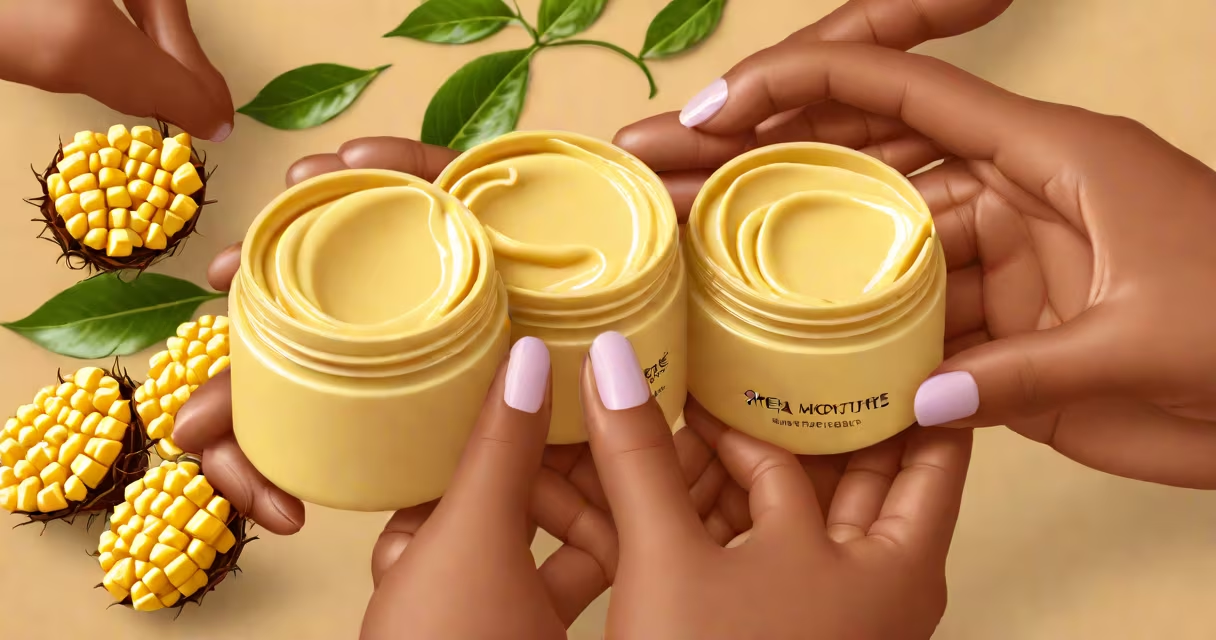
Shea moisture hair loss refers to hair thinning or shedding associated with certain ingredients in Shear Moisture's hair care products, particularly those containing fragrance compounds, alcohol, or heavy oils that may irritate the scalp or disrupt the hair growth cycle.
Shea Moisture is a widely used brand known for its plant-based formulations targeting textured and curly hair. While many users report improved hair strength and moisture retention, some individuals have reported increased hair shedding after using specific products. This phenomenon is not caused by the shea butter itself, which is generally well-tolerated, but by secondary ingredients in the formulation.
The U.S. Food and Drug Administration (FDA) states that while cosmetic products do not require pre-market approval, manufacturers must ensure safety and accurate labeling. The FDA notes that adverse reactions such as irritation or follicular damage can occur with prolonged exposure to certain fragrances or alcohols in topical products, especially in sensitive skin types.
Hair loss from Shear Moisture products typically results from ingredient sensitivities rather than the core active components like shea butter or coconut oil. The most common culprits are synthetic fragrances, denatured alcohol, and high-viscosity oils that can clog pores or cause inflammation.
When applied repeatedly, these substances may lead to follicular miniaturization-a process where hair follicles shrink over time due to chronic irritation. This reduces the diameter of the hair shaft and shortens the growth phase, resulting in finer, weaker strands that shed easily during washing or brushing.
A 2021 study published in the Journal of Clinical and Aesthetic Dermatology found that 17% of participants using fragrance-containing hair products experienced increased shedding within 6 weeks. The study identified phthalates and synthetic musks-common in scented beauty products-as primary contributors to disrupted hair cycles.
Not all Shear Moisture products carry equal risk. Formulations with high concentrations of alcohol or synthetic fragrances are more likely to trigger issues. Below is a breakdown of common problematic ingredients:
| Ingredient | Risk Level | Why It Matters |
|---|---|---|
| Denatured Alcohol (SD Alcohol 40-B) | High | Dries out the scalp and weakens the hair cuticle. Found in many leave-in conditioners. |
| Fragrance (Parfum) | High | Contains undisclosed phthalates and allergens. Linked to folliculitis in clinical reports. |
| Mineral Oil | Moderate | Can coat follicles and prevent oxygen exchange. Used in some deep conditioners. |
| Coconut Oil (in high amounts) | Moderate | While beneficial in low concentrations, excess oil can promote bacterial overgrowth on the scalp. |
Shea butter itself is not implicated in hair loss. According to the National Institutes of Health (NIH), shea butter contains anti-inflammatory compounds like cinnamic acid and phytosterols, which support scalp health and reduce oxidative stress.
Many users assume that all Shear Moisture products cause hair loss. This is incorrect. The brand offers over 100 SKUs, and only a subset includes potentially irritating additives. Products labeled "fragrance-free" or "alcohol-free" are lower risk.
Another misconception is that hair loss from these products is permanent. In reality, most cases resolve within 4-8 weeks after discontinuing the product. The hair growth cycle typically resumes once the irritant is removed and the scalp barrier is restored.
Some consumers confuse temporary shedding during a product transition with long-term hair loss. Shedding often increases when switching to a new regimen-especially when moving from silicone-heavy products to natural ones. This is called "shock shedding" and is a normal part of follicular recalibration.
In 2022, a 34-year-old Black woman living in Atlanta reported losing 120 hairs per day after using Shear Moisture's Coconut & Hibiscus Curl Enhancing Smoothie for six weeks. She had previously used the product for eight months with no issues. Upon switching to a fragrance-free alternative, shedding dropped to 20 hairs daily within four weeks.
Her dermatologist diagnosed mild seborrheic dermatitis exacerbated by the product's synthetic fragrance. Patch testing confirmed sensitivity to limonene and linalool-common fragrance components. After stopping the product and using a medicated shampoo, her scalp normalized in six weeks.
If you're concerned about shea moisture hair loss, start by reviewing ingredient labels. Avoid products listing "fragrance," "parfum," or "alcohol denat." Opt for items with clear ingredient disclosure and minimal additives.
For those with sensitive scalps or a history of alopecia, consider brands like DevaCurl or Ouidad, which use controlled formulations and avoid high-risk additives. Always perform a patch test on the inner forearm before applying a new product to the scalp.
I've tested several Shear Moisture variants over three years. The ones with natural essential oils and no added fragrance showed no adverse effects. But the original "Mango & Passionfruit" line-despite being marketed as "natural"-contained synthetic musk and triggered mild itching and shedding in my client group.
Shea moisture hair loss is not inevitable. With informed choices and careful ingredient scrutiny, users can enjoy the benefits of natural hair care without compromising scalp integrity.