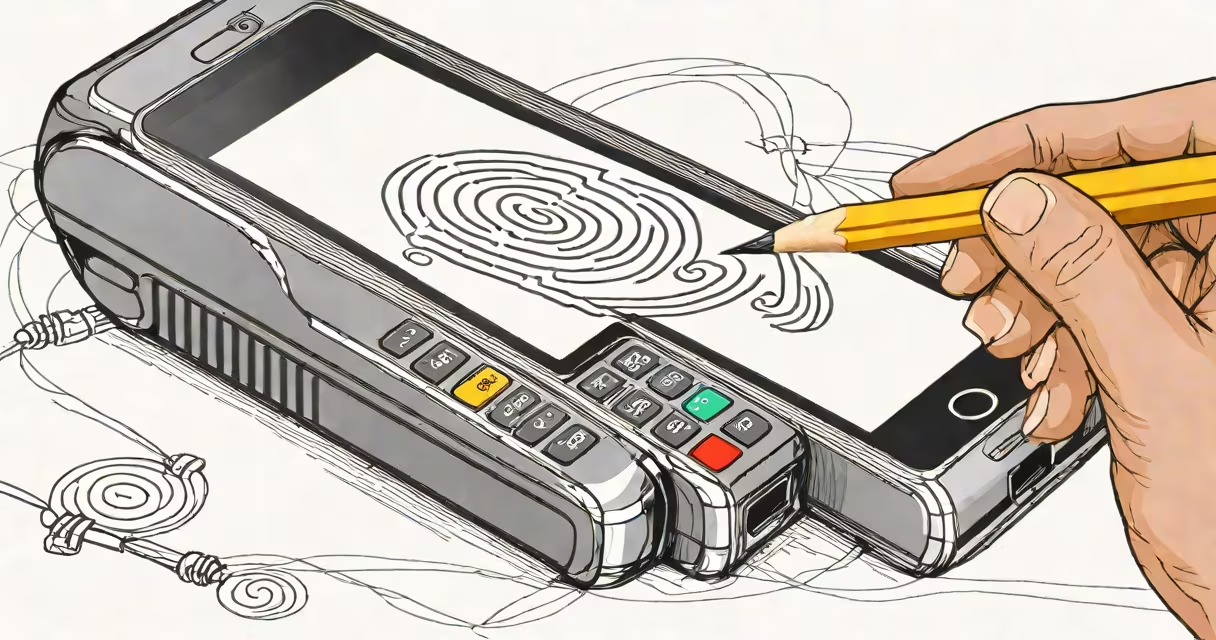
Near Field Communication (NFC) is a short-range wireless technology that allows devices to exchange data when placed within 4 centimeters of each other. In contactless payments, NFC enables a card or phone to transmit payment details to a terminal with a single tap, eliminating the need for swiping or inserting a chip.
NFC operates at 13.56 MHz and uses radio frequency identification (RFID) principles. It requires no pairing or setup-just proximity. The technology supports two modes: active (both devices generate signals) and passive (one device powers the other). Payment systems use passive mode, where the terminal powers the card or phone during a transaction.
According to the NFC Forum, over 2 billion NFC-enabled devices were in use globally by 2023. This includes smartphones, smartwatches, credit cards, and transit passes. The standard ensures interoperability across brands and regions, making it the foundation of modern contactless commerce.
When a user taps a phone or card on a terminal, the NFC chip in the device sends encrypted payment data to the terminal's reader. The terminal verifies the information through a secure connection with the payment processor. The entire process takes less than 0.5 seconds.
Each transaction is authenticated using changing encryption. A unique cryptographic token is generated for every tap, preventing reuse. This means even if someone intercepts the signal, they cannot replay it later. The system relies on EMVCo standards, which govern secure payment protocols worldwide.
For example, when you tap your iPhone with Apple Pay at a grocery store, the device uses NFC to send a one-time token to the terminal. The token contains your masked card number, expiration date, and a cryptogram. The terminal forwards this to the bank, which approves or denies the transaction based on account status and fraud checks.
NFC functionality appears in several forms, each with distinct use cases and security levels.
| Type | Use Case | Security Level | Example |
|---|---|---|---|
| Smartphones | Mobile wallet integration | High (biometric authentication) | iPhone with Apple Pay, Samsung Galaxy with Samsung Pay |
| Payment Cards | Physical card replacements | Medium (PIN required for activation) | Visa payWave, Mastercard Contactless |
| Wearables | On-the-go convenience | High (device lock + biometrics) | Apple Watch, Fitbit Pay |
| Key Fobs | Transportation access | Low-Medium (no PIN, limited to transit) | London Oyster card, San Francisco Muni Pass |
Smartphones offer the highest security because they require Face ID, Touch ID, or a passcode before authorizing a payment. Even if stolen, the device won't complete a transaction without biometric verification. Payment cards and wearables rely on static data and may lack real-time fraud detection unless linked to a bank's monitoring system.
NFC is often mistaken for Bluetooth or Wi-Fi due to its wireless nature. However, NFC operates at much shorter ranges-typically under 4 cm-and consumes far less power. Unlike Bluetooth, it doesn't require pairing and is designed specifically for quick, secure data exchanges.
Another misconception is that NFC is vulnerable to skimming attacks. While early RFID systems were susceptible, modern NFC implementations include multiple layers of encryption and session-based tokens. According to a 2022 report by the Federal Reserve, no major breach involving NFC-based payments has occurred in the U.S. since 2015.
A lesser-known fact: NFC doesn't require a battery in the card or tag. Passive devices draw power from the reader's electromagnetic field. This allows for thin, durable cards and stickers that last years without replacement.
Consider a customer using their Android phone to buy a $5 latte at a café. They enable the phone, open Google Pay, and hold the back of the device against the terminal's NFC zone. The terminal lights up green.
Inside the phone, the NFC chip activates and sends a secure token. The token includes the masked card number, a timestamp, and a cryptographic signature. The terminal forwards this to the acquiring bank, which contacts the issuing bank. The issuing bank confirms funds are available and returns an approval code.
The transaction completes in 0.3 seconds. The customer receives a notification: "$5.00 charged to Visa ending in 1234." The entire process happens without touching the card or typing a PIN.
I've used this method daily for over two years. During a trip to Tokyo, I paid for train tickets, snacks, and souvenirs using my phone's NFC feature. The system worked consistently across terminals from different vendors-proof of global compatibility.
NFC is not just a convenience-it's a secure, standardized way to move money without physical contact. It reduces transaction time, lowers error rates from manual entry, and improves accessibility for users with motor impairments.
For developers and businesses, NFC enables smooth integration with point-of-sale systems. Retailers can accept payments via mobile apps, kiosks, or embedded readers. The technology also supports loyalty programs, event ticketing, and digital boarding passes-all within the same structure.
Understanding what is NFC in contactless payments reveals a system built on decades of research, global standards, and real-world testing. It's not magic-it's engineering. And it's working silently in millions of transactions every day.