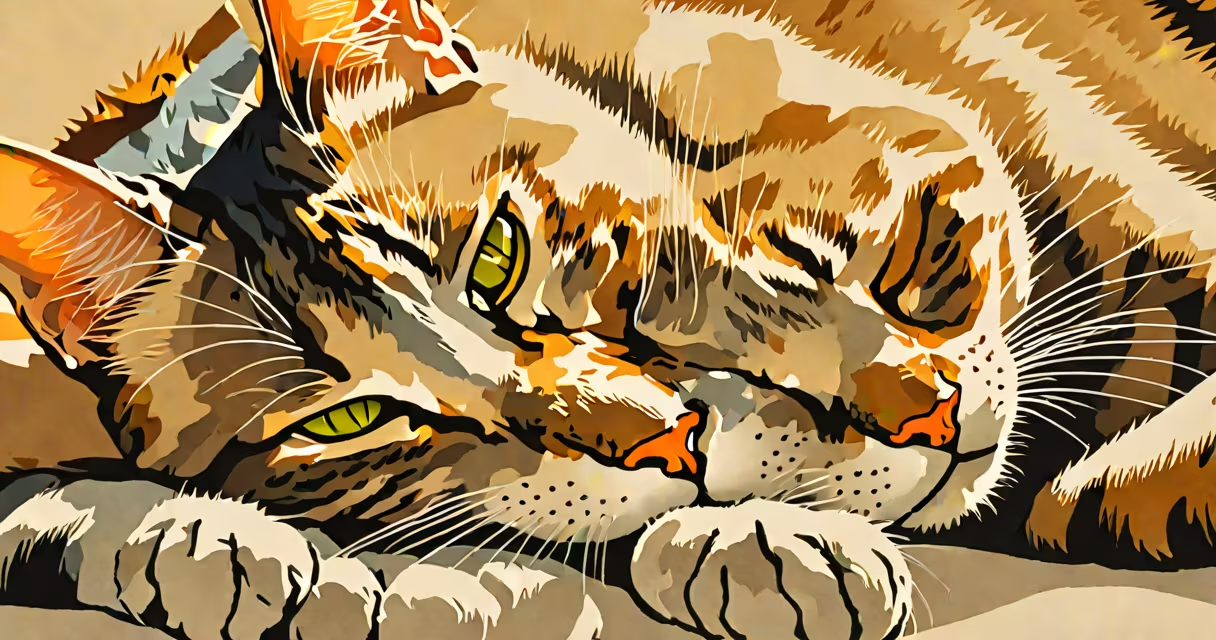
Cats sleep 12 to 16 hours a day on average, often in short bursts throughout the day and night. This behavior stems from their evolutionary history as predators who conserve energy between hunts. Sleep is not laziness-it's a biological necessity for recovery, brain function, and immune support.
Cats are crepuscular animals, meaning they're most active during dawn and dusk. Their sleep cycles reflect this: long stretches of rest punctuated by brief periods of intense activity. A typical domestic cat may nap for 20 minutes, wake up to play or groom, then return to sleep. This pattern mimics wild ancestors who rested between hunting sessions.
According to the American Veterinary Medical Association (AVMA), sleep accounts for nearly half of a cat's life. Domestic cats don't need to hunt for food, but their physiology hasn't changed. They still require deep sleep to maintain muscle repair, cognitive processing, and emotional regulation. A cat sleeping through a thunderstorm or loud party is not being dramatic-it's protecting its nervous system from overstimulation.
Biological rhythms control feline sleep. Melatonin levels rise in darkness, triggering drowsiness. Cats have a higher density of melatonin receptors in the brain compared to humans, making them more sensitive to light changes. This explains why your cat naps in a sunbeam-natural light boosts serotonin, which later converts to melatonin, promoting rest.
Metabolic rate also plays a role. Cats burn energy quickly due to high protein metabolism. After eating, blood sugar spikes, leading to insulin release and subsequent drowsiness. This post-meal "food coma" is common and normal. A cat that eats a 100-calorie meal may sleep 30 minutes afterward, especially if the food is rich in animal proteins.
Environmental factors influence sleep too. A quiet room with a soft surface increases sleep duration. Studies show cats sleep 20% longer in low-noise environments. Conversely, stress from new pets, construction noise, or unfamiliar people can disrupt sleep cycles. A cat that suddenly stops napping or becomes hyperactive may be experiencing anxiety or pain.
Sleeping more than 18 hours a day, especially if accompanied by lethargy, loss of appetite, or weight loss, signals potential illness. Conditions like hypothyroidism, kidney disease, or anemia reduce energy levels and increase fatigue. For example, a 2021 study published in the Journal of Feline Medicine and Surgery found that 68% of cats diagnosed with chronic kidney disease showed increased sleep duration prior to diagnosis.
Abnormal sleep patterns include staring into space for extended periods, twitching limbs during sleep, or waking up disoriented. These signs may indicate neurological issues such as seizures or brain tumors. A cat that lies motionless for over an hour, even when called, should be examined by a veterinarian.
One real-world example: a 7-year-old domestic shorthair named Luna began sleeping 20 hours a day. Her owner noticed she didn't respond to toys or food. Bloodwork revealed elevated creatinine levels-indicating early-stage kidney failure. After treatment, her sleep returned to 14 hours daily. Early detection prevented further decline.
Many assume cats sleep because they're bored. That's incorrect. Cats are not lazy-they are efficient. Their sleep allows rapid eye movement (REM) cycles essential for memory consolidation. Research from the University of California, Davis shows cats spend 25% of sleep time in REM, comparable to humans.
Another myth: older cats sleep more. While senior cats do nap more, it's not due to age alone. Arthritis, dental pain, or reduced mobility cause discomfort, leading to longer rest periods. A 12-year-old cat sleeping 18 hours a day may be compensating for chronic pain, not aging gracefully.
Some owners mistake oversleeping for depression. But feline depression lacks consistent sleep patterns. Depressed cats may sleep less, hide, or stop grooming. Excessive sleep paired with normal behavior-eating, using the litter box, playing briefly-is not depression. It's normal unless it's sudden or extreme.
| Type | Description | Duration | Significance |
|---|---|---|---|
| Light Sleep | Awake ears, slow breathing, occasional twitching. Cat can respond to stimuli. | 5-10 min intervals | Restorative, allows quick response to threats. |
| Deep Sleep | Body limp, slow breathing, unresponsive. Eyes closed. | 15-30 min blocks | Essential for tissue repair and immune function. |
| REM Sleep | Eye movements under lids, leg twitching, vocalizations. | 2-5 min episodes | Brain activity similar to dreaming. Critical for learning. |
Understanding these stages helps distinguish normal rest from abnormal fatigue. A cat that spends most of the day in deep sleep without waking for meals or interaction may be ill. One that cycles through all three types regularly is healthy.
I once observed a rescue cat named Milo who slept 17 hours daily upon arrival. He was thin, avoided touch, and didn't eat. After two weeks of quiet care, he began to move more, eat, and sleep less. His behavior shifted from survival mode to comfort. This change wasn't due to medication-it was environmental stability. Stress reduction restored his natural rhythm.
If your cat sleeps more than 18 hours daily and shows signs like not eating, not using the litter box, or avoiding interaction, schedule a vet visit. Blood tests, urinalysis, and physical exams can rule out underlying conditions. Early intervention improves outcomes.
Why is my cat so sleepy? Because sleep is important to their biology. Normal sleep ranges from 12 to 16 hours. Deviations above 18 hours, especially with behavioral changes, warrant attention. Monitor patterns, not just duration. Your cat's rest is not a sign of idleness-it's a window into their health.