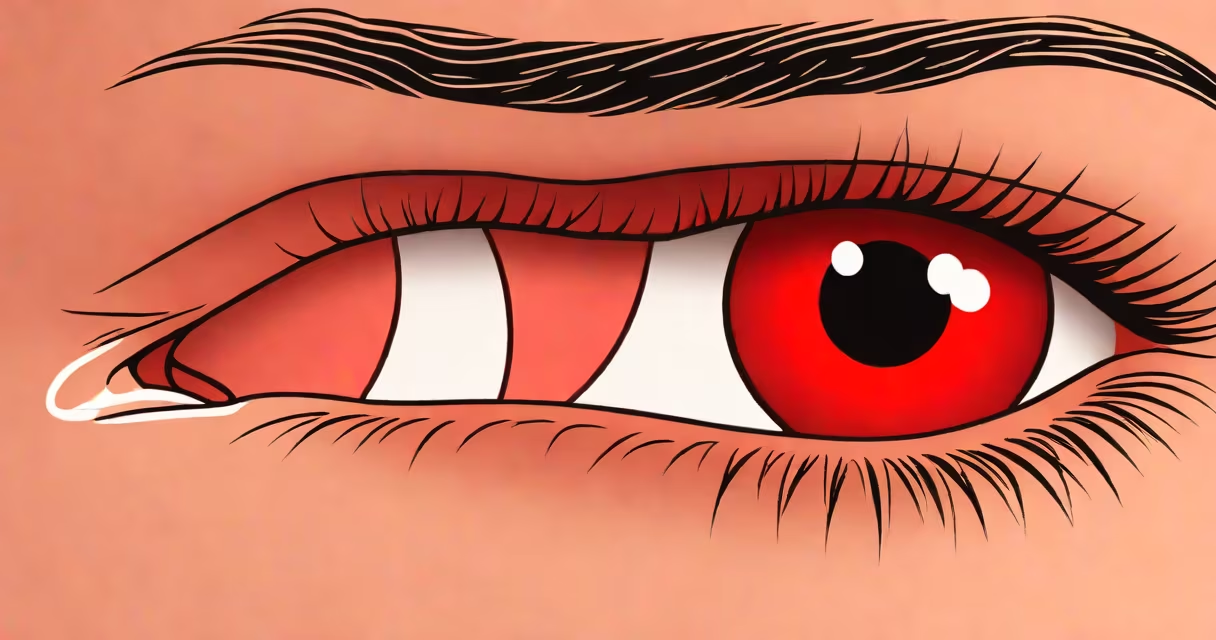
A swollen, red, and sore eyelid typically indicates an infection or inflammation in the eyelid's oil glands or hair follicles, most commonly caused by a stye (hordeolum) or bacterial infection. This condition results from blocked glands that become infected with Staphylococcus aureus bacteria, leading to localized pain, swelling, and redness.
Styes develop rapidly-often within 24 to 48 hours-and appear as a tender, pus-filled bump near the eyelash line. They differ from chalazia, which are slower-developing, painless lumps caused by blocked meibomian glands deeper in the eyelid. Blepharitis, chronic inflammation of the eyelid margins, can also cause recurring redness, soreness, and crusting along the lash line.
According to the American Academy of Ophthalmology, about 1 in 10 people experience a stye at some point, usually resolving within 3 to 5 days with home care. However, persistent symptoms beyond a week may require medical evaluation to rule out complications such as cellulitis or abscess formation.
The eyelid contains numerous sebaceous glands that secrete oils to lubricate the eye surface. When these glands become blocked-often due to excess oil production, poor hygiene, or contact with contaminated hands-the trapped material creates a breeding ground for bacteria. Staphylococcus aureus, present on most skin surfaces, then invades the gland, triggering an inflammatory response.
This immune reaction increases blood flow to the area, causing redness and warmth. Fluid accumulation leads to swelling, while nerve endings in the thin eyelid tissue amplify pain perception. The result is a visible, painful lump that may limit blinking or cause light sensitivity.
For example, a 34-year-old woman reported waking with a tender, red bump on her upper eyelid. Within 24 hours, it swelled to the size of a pea and became sensitive to touch. She applied warm compresses four times daily and noticed improvement after 72 hours. By day five, the bump drained and resolved completely.
Several conditions can mimic or contribute to eyelid swollen red and sore:
| Type | Onset | Pain Level | Key Features | Typical Duration |
|---|---|---|---|---|
| Stye (external hordeolum) | Fast (hours) | High | Red, painful bump at lash base; may have pus | 3-7 days |
| Chalazion | Slow (days to weeks) | Low to moderate | Painless lump under skin; may grow larger | 2-6 weeks |
| Blepharitis | Chronic | Mild to severe | Crusty lashes, burning sensation, red edges | Recurring episodes |
| Cellulitis | Fast (hours) | High | Spreads beyond lid; fever possible; requires antibiotics | Days to weeks with treatment |
Non-obvious distinction: A stye affects the external glands and is acutely painful. A chalazion arises from internal meibomian glands and often lacks pain initially. Misidentifying a chalazion as a stye may lead to unnecessary antibiotic use.
Common triggers include rubbing eyes with dirty hands, using expired makeup, wearing contact lenses overnight, or having dry eye syndrome. People with rosacea or diabetes are at higher risk due to altered immune responses and poor wound healing.
While most cases of eyelid swollen red and sore resolve independently, certain signs indicate a need for medical attention. These include spreading redness beyond the eyelid, vision changes, inability to open the eye, fever, or worsening pain after 48 hours.
One patient developed a stye that progressed into orbital cellulitis-a serious infection spreading to the eye socket. He experienced double vision and a bulging eye. Hospitalization and IV antibiotics were required. This rare complication underscores why untreated infections can escalate quickly.
For mild cases, self-care is effective. Apply warm compresses for 10 minutes, four times daily. Clean the eyelid margin with diluted baby shampoo to reduce debris and bacterial load. Avoid squeezing or attempting to drain the lesion-this risks spreading infection.
If symptoms last longer than a week or worsen, consult an ophthalmologist. A physical exam confirms diagnosis. In some cases, a culture of pus may identify the causative organism. Antibiotics are rarely needed for uncomplicated styes but may be prescribed for recurrent or severe cases.
For persistent chalazia, steroid injections or surgical drainage may be recommended. Blepharitis management includes daily lid scrubs, oral antibiotics like doxycycline, and treating underlying dry eye.
Firsthand observation: During a clinic visit, a child presented with a large, fluctuant lump on the lower eyelid. The physician confirmed it was a chalazion and performed minor incision and drainage under local anesthesia. The child healed fully within seven days with no scarring.
Prevention includes handwashing before touching the face, avoiding sharing towels, replacing eye makeup every three months, and managing chronic skin conditions. Most cases of eyelid swollen red and sore resolve with conservative care, but timely intervention prevents complications.