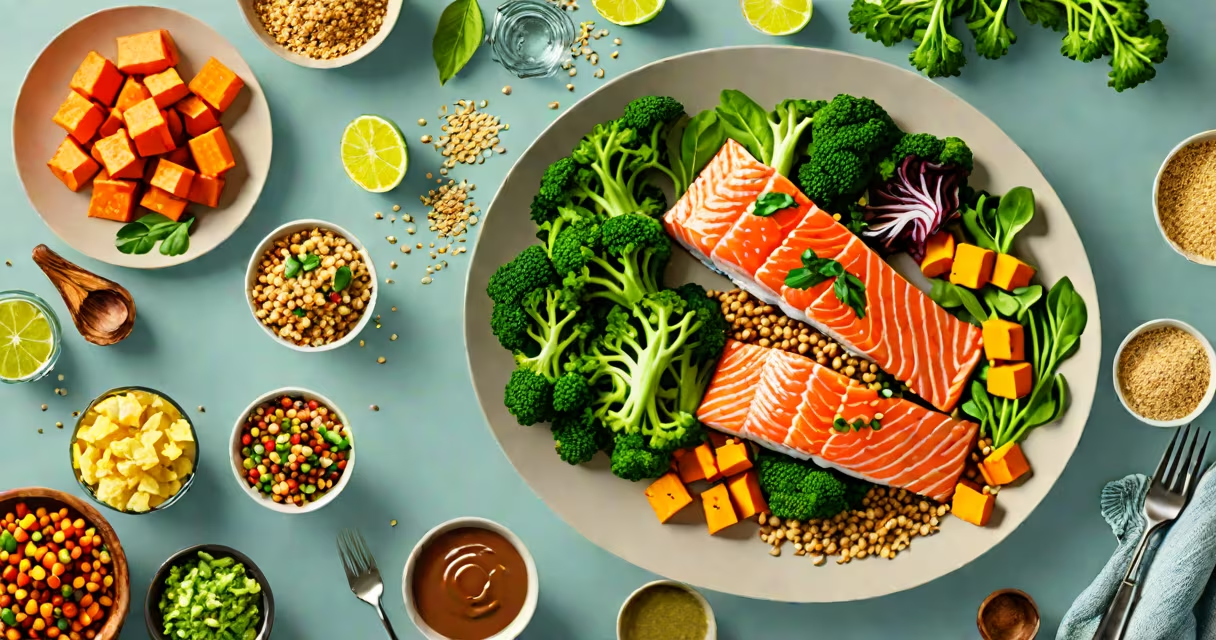
How to eat right and lose weight means consistently consuming fewer calories than your body burns while prioritizing protein, fiber, and whole foods to preserve muscle and sustain energy. This approach leads to fat loss without extreme restriction.
Weight loss occurs when you create a calorie deficit-burning more energy than you consume. The body uses stored fat for fuel when intake is lower than expenditure. A deficit of 500 to 750 kcal per day typically results in 0.5 to 1 kg (1 to 2 lbs) of fat loss per week, according to the National Institutes of Health (NIH).
Simply reducing calories isn't enough. Diets high in processed foods, added sugars, and refined carbohydrates often lead to hunger, cravings, and rebound weight gain. Eating right means choosing foods that support satiety, metabolic health, and long-term adherence.
Your body maintains energy balance through appetite regulation. When you eat low-volume, high-calorie foods-like chips or sugary snacks-you consume many calories quickly and feel hungry soon after. High-protein, high-fiber meals slow digestion and promote fullness.
A 2021 study published in Cell Metabolism found that participants who ate meals rich in protein and fiber reported 30% less hunger and consumed 250 fewer calories daily without trying. These foods increase levels of satiety hormones like peptide YY and GLP-1.
For example, a meal of 150g grilled chicken breast (330 kcal), 1 cup cooked quinoa (220 kcal), and 2 cups steamed broccoli (110 kcal) totals 660 kcal. It provides 50g of protein and 25g of fiber-nutrients proven to reduce hunger and stabilize blood sugar.
Focus on whole, minimally processed foods. Prioritize:
Processed foods disrupt satiety signals. A 2020 NIH study showed that people eating ultra-processed diets consumed 500 more calories per day than those eating unprocessed foods-even when portions were matched.
Many assume "eating right" means eliminating entire food groups. This is incorrect. Restrictive diets fail long-term. The CDC reports that 95% of people regain lost weight within five years of dieting.
Another error is equating "healthy" with "low-fat." Low-fat versions of yogurt, salad dressing, and snacks often replace fat with sugar. A single serving of low-fat fruit-flavored yogurt can contain 25g of added sugar-more than a candy bar.
People also overlook portion size. Even healthy foods contribute to excess calorie intake if eaten in large amounts. For example, 100g of almonds (about 1/4 cup) contains 580 kcal-enough to exceed a daily deficit if not accounted for.
Consider a 35-year-old woman weighing 75kg aiming to lose 0.7kg per week. Her estimated maintenance calories are 2,200. To lose weight, she targets 1,600-1,800 kcal/day.
Her typical day includes:
Total daily intake: ~1,835 kcal. She stays within her target range and meets protein and fiber goals. Over time, this pattern creates a consistent deficit without deprivation.
"Eating right" is not synonymous with "eating less." Reducing calories without improving food quality leads to nutrient deficiencies and fatigue. A 2019 review in BMJ Nutrition, Prevention & Health found that people on high-quality diets lost more fat and kept it off longer than those on low-quality diets-even with similar calorie counts.
It's also not about perfection. Missing a meal or eating out doesn't break progress. Consistency over weeks and months matters more than daily adherence. The American Council on Exercise notes that 80% of successful weight loss is due to long-term habit formation, not short-term discipline.
Finally, "eating right" doesn't mean avoiding all pleasure foods. Occasional treats-like a small piece of dark chocolate or a homemade cookie-can improve adherence. The key is planning and moderation.
Track your intake using a reliable app like MyFitnessPal or Cronometer. Input meals based on actual weights, not estimates. Many people underestimate portion sizes by 20-30%.
Consistent, evidence-based choices lead to lasting results. How to eat right and lose weight isn't about a quick fix-it's about building a sustainable relationship with food that supports both weight loss and health.