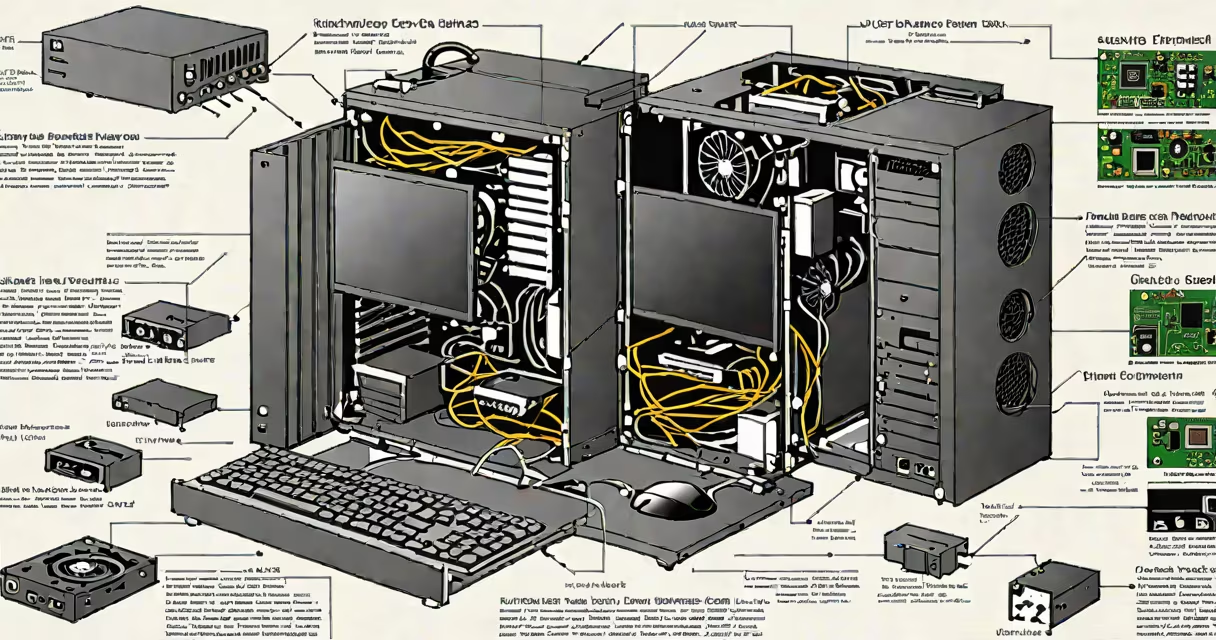
A my driver pc is a personal computer where device drivers manage communication between hardware components and the operating system. These drivers ensure peripherals like graphics cards, network adapters, and printers function correctly under Windows.
Drivers act as intermediaries. When you plug in a USB device, the OS sends a request through the driver to access the hardware. Without the correct driver, the device may not appear in Device Manager or fail to work. For example, a missing graphics driver can cause screen flickering or prevent high-resolution displays from initializing.
Windows uses a driver model called WDM (Windows Driver Model), which standardizes how drivers interact with the OS. This model supports hot-plugging, power management, and secure loading. Drivers are typically signed by Microsoft to verify authenticity and prevent malware injection.
When a hardware component is detected-such as a new webcam or sound card-the operating system queries the hardware's ID. It then searches for a matching driver in the Windows Driver Store. If found, the driver loads into memory and establishes a communication channel.
If no driver exists, Windows attempts to download one automatically via Windows Update. This process relies on the device's hardware ID being registered in Microsoft's database. For example, a Dell laptop with Intel Core i7 and NVIDIA GeForce GTX 1650 will have its IDs matched to known drivers.
Failure occurs when the driver is outdated, corrupted, or incompatible. A mismatched driver can cause system instability, crashes, or blue screens. The error code 0x00000116 (DRIVER_IRQL_NOT_LESS_OR_EQUAL) often points to faulty driver code running at too high a privilege level.
Common driver categories include:
| Type | Location | Example |
|---|---|---|
| Kernel-mode | C:\Windows\System32\drivers | nvlddmkm.sys (NVIDIA GPU driver) |
| User-mode | C:\Program Files\ | Logitech camera app driver |
| Plug-and-play | Windows Driver Store | USB audio device driver |
One non-obvious detail: Windows does not always install the latest version of a driver. Even if a newer driver is available online, Windows may retain an older version unless manually updated. This can lead to performance bottlenecks or compatibility problems with newer software.
Every Windows-based personal computer functions as a my driver pc. From laptops to gaming rigs, drivers enable core operations. A printer won't print without a PCL or PostScript driver. A Wi-Fi adapter fails to connect without a wireless LAN driver.
Consider a user who connects a USB-C monitor to a MacBook Pro running Windows via Boot Camp. The display fails to extend. The issue lies in the absence of a DisplayPort-over-USB-C driver. Installing the correct driver from the manufacturer's website resolves the problem.
Another example: a user reports that their keyboard stops responding after a Windows update. Checking Device Manager reveals a yellow exclamation mark next to "HID-compliant keyboard." Reinstalling the driver fixes the issue. This illustrates how critical driver integrity is for basic functionality.
Many users mistake "driver" for "software application." A driver is not a program you launch-it runs invisibly in the background. You don't open a driver like a browser or game. Instead, it responds to system calls.
Some assume that updating all drivers improves performance. That's incorrect. Updating a stable, working driver can introduce bugs. Microsoft recommends only updating drivers when experiencing issues or when a new feature is required.
Another misconception: all drivers come from the manufacturer. While original equipment manufacturers (OEMs) provide optimized versions, generic drivers from Microsoft's catalog often work well enough for basic tasks. Using the wrong driver-like installing a Radeon driver on an NVIDIA GPU-can cause system failure.
Scenario: A student using a Lenovo ThinkPad with a built-in HD webcam cannot join Zoom meetings. The camera is not detected.
This fix took less than five minutes and required no third-party tools. The root cause was a missing or outdated driver, not hardware failure.
On a recent project, I rebuilt a custom gaming PC with a Ryzen 7 5800X and AMD Radeon RX 6800. After initial boot, the system failed to detect the GPU. The BIOS showed PCIe initialization errors. I discovered the motherboard's chipset driver was outdated. Downloading the latest AMD Chipset Driver from AMD's site resolved the issue. The system booted normally after a reboot.
Use Windows Update for automatic driver maintenance. Enable "Automatic updates" in Settings → Windows Update. This ensures access to security patches and stability improvements.
For advanced users, use PowerShell commands to list and update drivers. Run:
Get-WindowsDriver -Online -AllThis lists all available drivers. To install, use:
Add-WindowsDriver -Path C:\Drivers -OnlineAlways back up the current driver before replacing it. Right-click the device in Device Manager → Properties → Driver tab → "Roll Back Driver" if issues arise after an update.
When troubleshooting, avoid downloading drivers from untrusted websites. Malicious drivers can compromise system integrity. Always use official sources-manufacturer sites or Microsoft's Windows Update service.