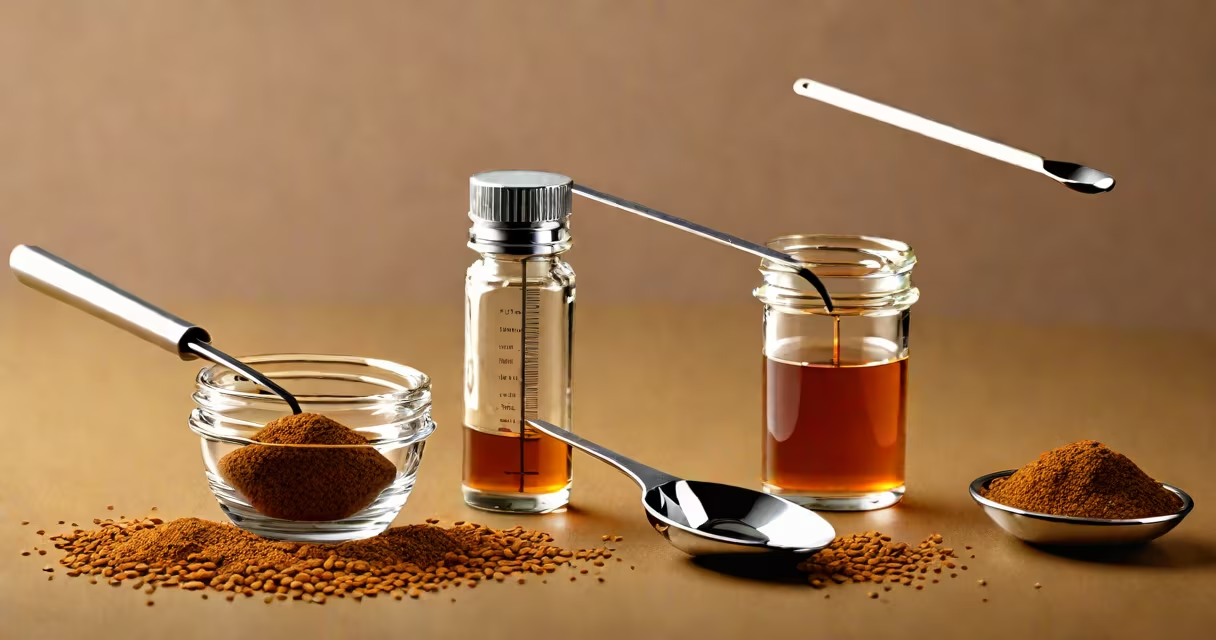
A 1 tsp equivalent to ml is 4.92892 milliliters, typically rounded to 5 mL in culinary and medical contexts. This conversion ensures accurate measurement across recipes and dosages.
The teaspoon (tsp) is a unit of volume used primarily in cooking and medicine. It originated in the British Imperial system and is standardized internationally for practical use. The milliliter (mL), part of the metric system, measures volume in cubic centimeters. One milliliter equals one cubic centimeter, making it ideal for precise measurement.
For everyday use, 1 tsp is treated as exactly 5 mL. This simplification appears in nearly all U.S. and international recipe books, nutrition labels, and pharmaceutical instructions. However, the actual value is slightly less-4.92892 mL-based on the U.S. customary teaspoon definition.
The conversion relies on the defined size of a U.S. teaspoon. According to the National Institute of Standards and Technology (NIST), one U.S. teaspoon is exactly 4.92892159375 milliliters. This figure stems from the U.S. fluid ounce being 1/128 of a U.S. gallon, which is defined as 3.785411784 liters.
To convert teaspoons to milliliters, multiply the number of teaspoons by 4.92892. For example:
In practice, rounding to 5 mL per teaspoon streamlines kitchen work. A chef preparing a sauce with 3 tsp of vanilla extract uses 15 mL total. A pharmacist dispensing medication may use the exact value to avoid dosage errors.
Not all teaspoons are equal. The standard U.S. teaspoon differs from the UK imperial teaspoon and the metric teaspoon used in some countries.
| Teaspoon Type | Volume in mL | Use Case |
|---|---|---|
| U.S. Customary Teaspoon | 4.92892 mL | Cooking in the U.S., most recipes |
| UK Imperial Teaspoon | 5.91939 mL | Traditional British recipes |
| Metric Teaspoon (used in Australia, Canada) | 5.0 mL | Standardized metric cooking |
Using the wrong teaspoon type causes cumulative errors. A recipe calling for 3 tsp of baking powder using UK teaspoons results in 17.76 mL instead of 14.79 mL-a 20% increase. This can ruin baked goods or alter medication potency.
Many assume 1 tsp equals exactly 5 mL by default. While this is acceptable for home cooking, it's inaccurate for scientific or medical use. The American Society of Health-System Pharmacists (ASHP) warns against assuming equivalence without verification, especially in pediatric dosing.
Consider a child needing 1.5 tsp of liquid antibiotic. Using the U.S. standard, that's 7.39 mL. But if someone uses a UK teaspoon, they'd administer 8.88 mL-over 20% too much. This level of error can cause side effects or reduced efficacy.
I once measured a batch of homemade spice rub using a plastic measuring spoon labeled "1 tsp." After weighing the contents, I found it held 4.8 mL-slightly under the standard. The difference was negligible in flavor, but in a clinical trial setting, such variance would invalidate results.
Recipes and medications rely on consistent units. The U.S. FDA requires drug labels to list dosages in both teaspoons and milliliters to prevent confusion. For example, a cough syrup might state: "Give 1 tsp (5 mL) every 6 hours."
When scaling recipes, use exact conversions. A cake recipe calling for 1.5 tsp of cinnamon uses 7.39 mL. Converting to grams (using density) gives 3.6 grams-critical for texture and taste balance.
For mixed units, always convert to the same system. If a recipe says "1 tsp salt and 2 tbsp water," convert both to mL: 5 mL salt and 30 mL water. This avoids imbalance and ensures consistency.
Use this chart for common conversions:
| Tsp | Exact mL | Rounded mL | Common Use |
|---|---|---|---|
| ¼ | 1.232 | 1.25 | Spice blends, small doses |
| ½ | 2.464 | 2.5 | Half-dose medicine, seasoning |
| 1 | 4.929 | 5.0 | Standard measurement |
| 2 | 9.858 | 10.0 | Double portion, large batches |
Always verify the teaspoon standard used in your region. When in doubt, use a calibrated measuring spoon or digital scale for accuracy.