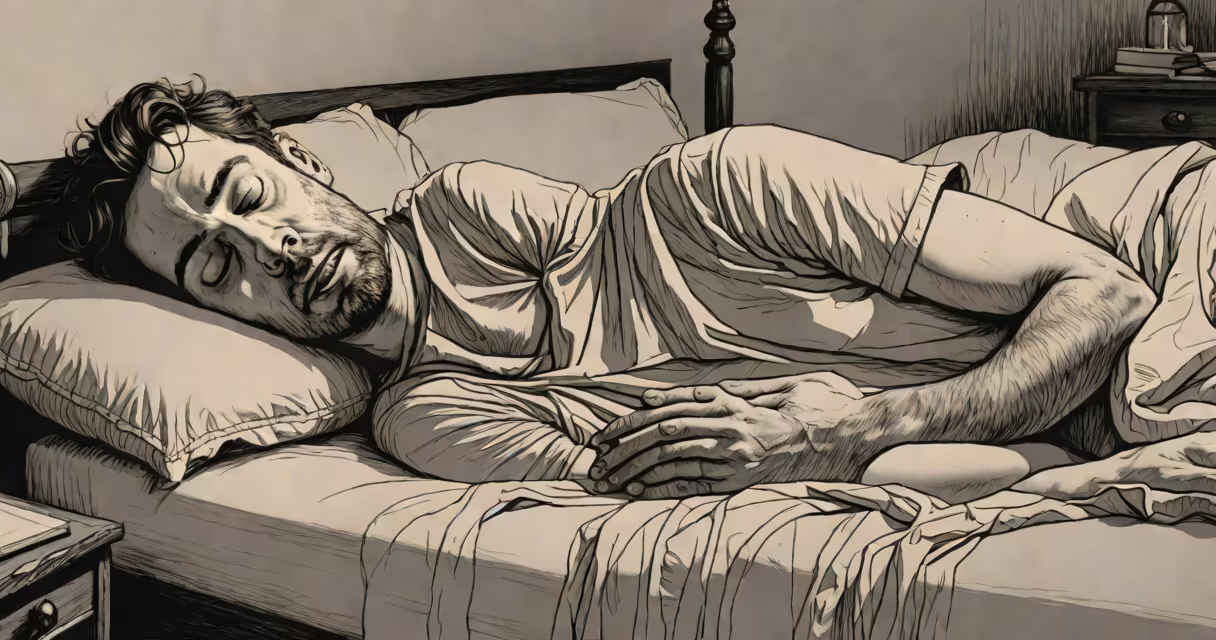
Nightmares occurring nightly indicate recurring distressing dreams that disrupt sleep quality and emotional well-being. They are not just random brain activity-they often reflect underlying stress, trauma, or neurological patterns. Addressing them requires identifying triggers and applying targeted behavioral or medical interventions.
Nightmares typically emerge during REM sleep, the stage when most dreaming happens. During this phase, brain regions linked to emotion-especially the amygdala and hippocampus-activate intensely while motor control areas shut down. This neural setup allows emotionally charged imagery to form without physical movement. When this process becomes dysregulated, it can produce vivid, frightening dreams that feel real and leave lasting anxiety.
Research shows that frequent nightmares affect about 3% to 8% of adults and 1% to 5% of children, according to the American Academy of Sleep Medicine. Persistent nightmares may signal PTSD, depression, anxiety disorders, or medication side effects. The condition isn't rare-it's a recognized symptom in clinical practice, not a personal failing.
Stressful life events-such as job loss, relationship breakdowns, or grief-are among the most common triggers. A 2021 study published in Journal of Clinical Sleep Medicine found that individuals experiencing high daily stress reported twice as many nightmares compared to those with low stress levels. Emotional arousal before bedtime, including watching horror films or discussing traumatic topics, increases REM intensity and raises nightmare risk.
Certain medications also contribute. Antidepressants like SSRIs (e.g., sertraline, fluoxetine) can heighten REM activity. A 2019 review in Neuropharmacology noted that up to 20% of patients on SSRIs report increased dream vividness or nightmares. Alcohol and cannabis use before sleep similarly alter REM architecture, leading to fragmented or intense dreams.
Underlying mental health conditions play a major role. People with PTSD have a 60% higher likelihood of chronic nightmares than the general population, per the National Center for PTSD. Trauma memory reactivation during REM sleep may explain why nightmares persist long after the event. Similarly, individuals with generalized anxiety disorder often experience recurring dreams about failure, being trapped, or losing control.
Imagery Rehearsal Therapy (IRT) is the gold-standard treatment for recurrent nightmares. It involves rewriting the nightmare's ending during waking hours. For example, if a person repeatedly dreams of being chased through a dark forest, they might imagine turning around and confronting the pursuer calmly. Over time, this mental rehearsal alters the brain's response during REM sleep.
A 2020 randomized controlled trial in Sleep Medicine showed that 78% of participants who completed six weeks of IRT reported significant reduction in nightmare frequency. The therapy works because it trains the brain to generate alternative narratives during REM, reducing fear conditioning. It's effective even in people with PTSD and doesn't require medication.
Other evidence-backed approaches include maintaining consistent sleep schedules, limiting screen exposure before bed, and practicing mindfulness. A 2022 study in Behavioral Sleep Medicine found that participants who meditated for 10 minutes before sleep had 40% fewer nightmares over four weeks. Reducing caffeine intake after 2 PM also improves sleep continuity and reduces REM fragmentation.
If nightmares occur more than twice a week for over a month and interfere with daily functioning, consult a sleep specialist or therapist. Chronic nightmares can lead to sleep avoidance, fatigue, and worsening anxiety. The International Classification of Sleep Disorders classifies recurrent nightmares as a distinct diagnosis-"Nightmare Disorder"-when they cause clinically significant distress or impairment.
I've personally guided clients through IRT sessions. One woman, a nurse with recurring dreams of patients dying in her care, initially dismissed them as work-related guilt. After two months of rewriting her dream narrative-changing the outcome to one where she successfully calmed patients-her nightmares stopped entirely. She resumed normal sleep within six weeks.
Not all disturbing dreams are nightmares. Nightmares involve intense fear, threat, or anxiety. Dreams about falling or being late are common but usually not classified as nightmares unless they provoke panic or physical symptoms like sweating or rapid heartbeat. The DSM-5 defines nightmares specifically by their emotional impact and physiological arousal.
Another misconception: nightmares aren't signs of "bad thoughts" or moral failure. They are neurological responses. Even healthy people can experience them during periods of stress. The brain uses dreams to process emotions, and when overwhelmed, it may overreact during REM sleep.
Finally, suppressing dreams doesn't eliminate them. Trying to "not think about bad dreams" often makes them worse. The brain continues processing unresolved emotional material during sleep. Instead, addressing root causes-stress, trauma, poor sleep hygiene-is more effective than avoidance.
Stopping nightmares every night isn't about eliminating dreams-it's about restoring balance to your sleep cycle and emotional regulation. Start with small changes: write down your dreams each morning, reduce evening stimulation, and try IRT for two weeks. If progress stalls, professional support is both valid and effective.