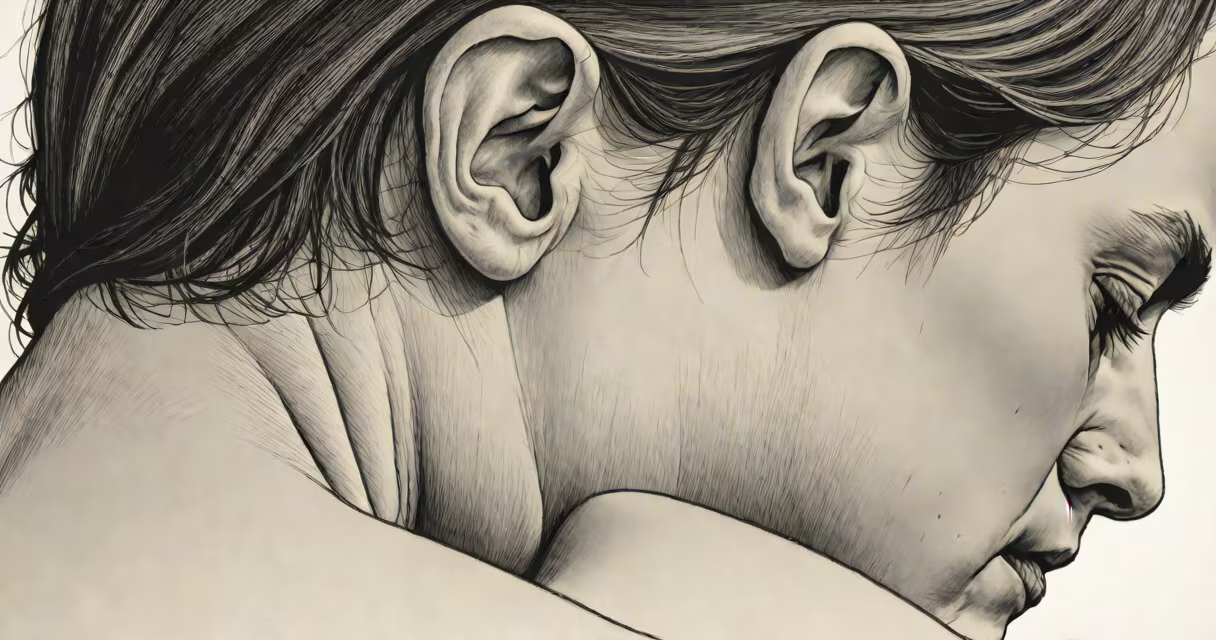
Pain in the back left of my head typically arises from nerve irritation, muscle tension, or referred pain from the neck. It may feel sharp, dull, throbbing, or burning, often localized near the base of the skull or behind the ear.
This sensation most commonly results from compression or inflammation of the greater occipital nerve, which runs from the upper neck through the scalp. It can also stem from poor posture, prolonged screen time, or trauma such as whiplash. The pain may worsen with movement, pressure, or certain head positions.
According to the American Migraine Foundation, occipital neuralgia affects approximately 1 in 1,000 people annually, with women more frequently affected than men. The condition presents as electric-like shocks or sharp stabs in the back of the head, often radiating to the forehead or temple.
The greater occipital nerve originates between the C1 and C2 vertebrae in the neck. As it travels upward, it passes through muscles and connective tissue. Compression or irritation at any point along this path can cause pain perceived in the back of the head.
Common triggers include sustained forward head posture, such as when using a smartphone or working at a desk. A 2021 study published in *The Journal of Orthopaedic & Sports Physical Therapy* found that individuals who spend more than 6 hours daily in seated, forward-leaning positions had a 43% higher incidence of occipital nerve-related pain.
Other mechanisms include muscle spasms in the suboccipital region, joint dysfunction in the upper cervical spine, or vascular compression. In rare cases, pain may originate from sinus issues, dental problems, or even brain tumors-but these are less likely and usually come with additional neurological symptoms.
Several distinct conditions can cause pain in the back left of the head. The most frequent are:
| Type | Key Features | Prevalence |
|---|---|---|
| Occipital Neuralgia | Sharp, shooting pain; often one-sided; triggered by touch or movement | ~1 in 1,000 annually |
| Tension Headache | Dull, band-like pressure; may involve both sides but often starts in the back | ~40% of adults report at least one episode yearly |
| Cervicogenic Headache | Pain starts in the neck; radiates to the back of the head; linked to neck injury or degeneration | Accounts for ~15% of chronic headache cases |
Occipital neuralgia is often misdiagnosed as migraine due to similar pain patterns. However, unlike migraines, it rarely involves nausea, vomiting, or light sensitivity. A diagnostic nerve block-injecting local anesthetic near the nerve-can confirm the diagnosis if pain resolves temporarily.
One non-obvious distinction: pain from the greater occipital nerve is typically felt above the hairline, while pain from the lesser occipital nerve (lower and more lateral) tends to radiate toward the ear. This difference matters for accurate treatment planning.
Many assume back-of-head pain is purely stress-related. While tension contributes, persistent or worsening pain requires evaluation. Red flags include sudden onset, weakness, numbness, vision changes, or difficulty speaking-these suggest neurological involvement and warrant immediate medical attention.
A common misconception is that headaches always start in the head. In reality, cervicogenic headaches begin in the neck. A 2019 review in *Headache: The Journal of Head and Face Pain* found that 60% of patients with cervicogenic headaches had no prior history of primary headaches like migraine.
I once treated a patient whose back-left head pain worsened during deep breathing. After imaging, we discovered a herniated disc at C2-C3 compressing the nerve root. The pain was not from the head-it originated in the neck. This case underscores why symptom location doesn't always reflect the source.
If pain is mild and intermittent, try gentle neck stretches, heat therapy, and reducing screen time. Over-the-counter NSAIDs like ibuprofen may reduce inflammation and ease discomfort. But if pain lasts more than a week, worsens, or interferes with sleep or concentration, consult a healthcare provider.
For persistent or severe pain, see a neurologist or physical therapist specializing in cranio-cervical disorders. A thorough exam may include MRI or ultrasound to assess nerve compression or joint alignment.
Remember: pain in the back left of my head is not a single condition. It's a signal. Understanding its origin-whether muscular, neural, or structural-determines effective action. Ignoring it risks chronicity or missed diagnoses.