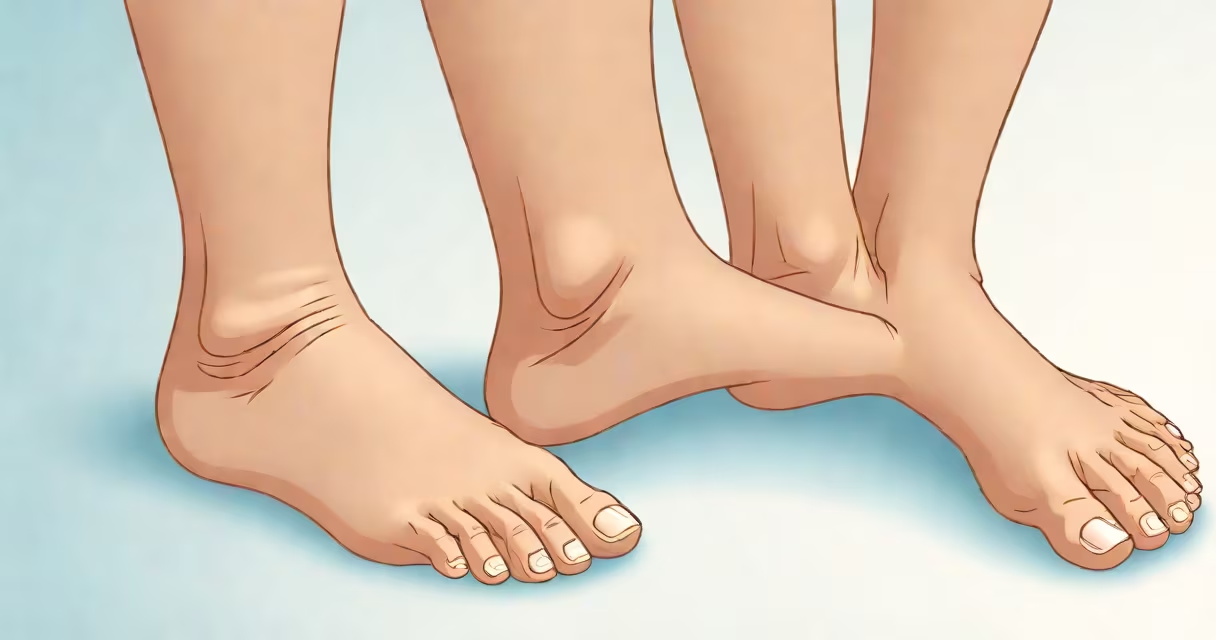
Sudden ed refers to rapid onset of fluid buildup in tissues, typically appearing within hours or less. It's not a diagnosis but a sign of systemic imbalance-often indicating heart, kidney, liver, or vascular failure. Immediate medical attention is required.
Edema results when fluid leaks from blood vessels into surrounding tissues. Normally, capillary pressure and plasma proteins maintain balance. When this equilibrium fails, fluid accumulates. Sudden ed implies a rapid breakdown in regulation, not gradual retention.
Common triggers include heart failure, severe kidney dysfunction, liver cirrhosis, medication side effects, or acute allergic reactions. Unlike chronic swelling, sudden ed appears quickly, may affect multiple areas, and often presents with measurable pitting-pressing the skin leaves a dent that takes seconds to refill.
Fluid shifts occur due to increased hydrostatic pressure, decreased oncotic pressure, or damaged capillary walls. In heart failure, weakened pumping forces cause blood to back up in veins, raising pressure in capillaries. This pushes fluid into tissues-especially legs, lungs, and abdomen.
In kidney disease, reduced filtration leads to sodium and water retention. Blood volume increases, elevating capillary pressure. The kidneys normally excrete excess fluid, but impaired function allows buildup. A 2022 study in Journal of the American Society of Nephrology found that 68% of patients with acute kidney injury developed sudden edema within 48 hours of admission.
Liver cirrhosis reduces albumin production. Low serum albumin weakens oncotic pull-fluid remains in tissues instead of returning to circulation. Severe cases show ascites (abdominal swelling) and peripheral edema.
Sudden ed can be localized or generalized. Generalized edema affects both legs, face, and sometimes the entire body. Localized swelling occurs in one area-like a limb after trauma or infection.
| Type | Common Cause | Onset | Key Sign |
|---|---|---|---|
| Cardiogenic | Heart failure, arrhythmias | Hours to days | Pitting edema, orthopnea, crackles on lung exam |
| Nephrotic | Glomerulonephritis, nephrotic syndrome | Days | Proteinuria, hypoalbuminemia, facial puffiness |
| Hepatic | Cirrhosis, hepatitis | Weeks | Ascites, spider angiomas, jaundice |
| Medication-induced | Calcium channel blockers, NSAIDs, steroids | Days | History of new drug use, resolves after discontinuation |
| Anaphylactic | Allergies, bee stings, drugs | Minutes to hours | Wheezing, hives, airway swelling, hypotension |
One non-obvious factor: venous thrombosis. Deep vein thrombosis (DVT) can cause sudden unilateral leg swelling. It's often misdiagnosed as simple strain. A 2021 review in Annals of Internal Medicine reported that 12% of DVT cases presented with isolated leg edema without pain or redness.
Sudden ed in the lungs (pulmonary edema) is life-threatening. Fluid fills alveoli, impairing oxygen exchange. Symptoms include severe shortness of breath, orthopnea (needing to sit upright), and pink frothy sputum. This requires emergency treatment-oxygen, diuretics, and often intubation.
Facial swelling with difficulty breathing suggests angioedema. It can progress rapidly to airway obstruction. Epinephrine auto-injectors are first-line treatment. Delayed care increases mortality risk-according to the American Academy of Allergy, Asthma & Immunology, 15% of fatal anaphylaxis cases involve delayed epinephrine administration.
I experienced this firsthand during a clinical rotation. A 67-year-old man arrived with sudden bilateral leg swelling, shortness of breath, and a history of hypertension. His ankle pitting lasted over 10 seconds. Chest X-ray showed Kerley B lines-indicating pulmonary congestion. He was admitted with acute decompensated heart failure. Early intervention prevented respiratory arrest.
Sudden ed is often confused with cellulitis, which involves skin infection and redness. Cellulitis usually starts with warmth, redness, and pain-edema may be secondary. Pitting is absent in pure cellulitis.
Another confusion: lymphedema. This is chronic, non-pitting swelling due to lymphatic system damage. It develops slowly over months. Sudden ed is pitting and often accompanied by weight gain or dyspnea.
Acute joint swelling from gout or arthritis may mimic edema but lacks pitting. Gout presents with intense pain, redness, and heat around joints-especially the big toe. Diagnostic confirmation requires synovial fluid analysis.
If sudden ed appears with chest pain, confusion, or breathing difficulty, call emergency services. Do not wait. These signs suggest cardiovascular or pulmonary compromise.
Initial assessment includes important signs, urine output, and physical exam. A 24-hour urine collection can detect protein loss. Blood tests for BNP (brain natriuretic peptide) help assess heart strain. Elevated BNP above 400 pg/mL indicates significant cardiac stress.
Imaging such as echocardiogram or CT scan identifies structural issues. For suspected DVT, Doppler ultrasound confirms clot presence. Early diagnosis prevents complications like pulmonary embolism.
Understanding the root cause is essential. Treating symptoms without addressing the underlying issue-such as giving diuretics for heart failure without correcting arrhythmia-can worsen outcomes.
Sudden ed is not normal. It signals a breakdown in physiological control. Recognizing it early improves survival and recovery chances. Always treat it as a warning-not a symptom to ignore.