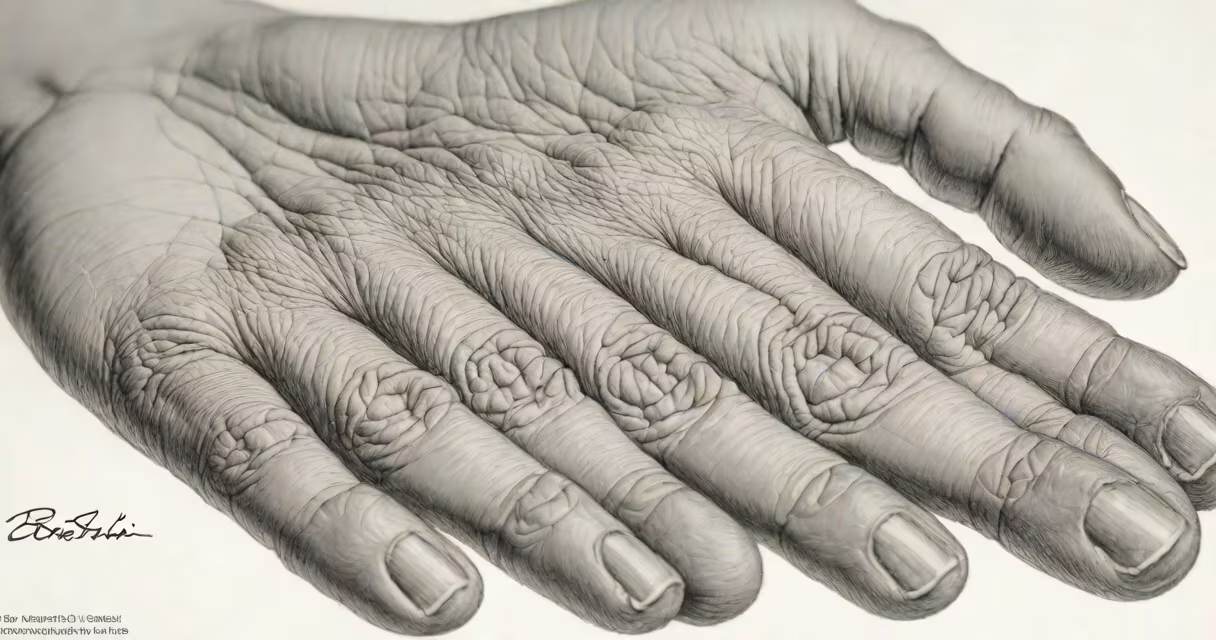
Beriberi is caused by a severe deficiency of vitamin B1, also known as thiamine. Without adequate thiamine, the body cannot properly metabolize carbohydrates, leading to energy failure in nerves and the heart.
Thiamine is essential for brain function, nerve signaling, and heart muscle activity. A lack of it disrupts ATP production in mitochondria, causing cellular dysfunction. In regions where polished white rice is a dietary staple, beriberi remains a public health concern due to the removal of thiamine-rich bran during processing.
The World Health Organization reports that beriberi still occurs in parts of Southeast Asia, sub-Saharan Africa, and among populations with alcohol use disorder, where poor nutrition and impaired absorption compound risk. Early diagnosis and treatment prevent permanent neurological damage.
Thiamine acts as a coenzyme in the conversion of glucose into usable energy. When levels drop below 30 mcg/L in blood, the body's metabolic pathways falter. Nerve cells, which rely heavily on glucose, suffer oxidative stress and demyelination. Heart muscle cells lose contractility due to reduced ATP.
Without intervention, this leads to two forms of beriberi: wet and dry. Wet beriberi affects the cardiovascular system, causing edema, rapid heartbeat, and congestive heart failure. Dry beriberi impacts the nervous system, resulting in muscle weakness, loss of reflexes, and paralysis in the lower limbs.
A 2018 study published in *The Lancet Global Health* found that 12% of hospitalized patients in rural Indonesia had clinical signs of thiamine deficiency, with 6% diagnosed with beriberi. Most had diets centered on white rice and minimal protein intake.
There are two primary forms of beriberi, each with distinct symptoms:
| Type | Symptoms | Onset | Common Populations |
|---|---|---|---|
| Dry beriberi | Peripheral neuropathy, muscle wasting, loss of coordination, foot drop | Gradual (weeks to months) | Alcoholics, elderly with poor diets |
| Wet beriberi | Edema, tachycardia, shortness of breath, enlarged heart | Acute (days to weeks) | Populations consuming polished rice, malnourished children |
Both forms can progress rapidly without treatment. A patient may present with unexplained leg swelling and fatigue, initially misdiagnosed as heart failure or arthritis. A history of low intake of whole grains, legumes, or meat increases suspicion.
In a documented case from a Tokyo hospital, a 54-year-old man with chronic alcoholism developed bilateral foot drop and severe leg pain. His serum thiamine level was 12 mcg/L (normal: 30-100 mcg/L). After intravenous thiamine, he regained mobility within seven days.
Beriberi is often confused with other deficiency syndromes. Unlike scurvy (vitamin C deficiency), which causes bleeding gums and joint pain, beriberi primarily affects nerves and the heart. Unlike pellagra (niacin deficiency), which presents with dermatitis, diarrhea, and dementia, beriberi lacks skin lesions.
Another confusion arises with "burning feet syndrome." While both involve neuropathic pain, burning feet is typically linked to diabetes or vitamin B12 deficiency. Beriberi-related foot pain stems from symmetric peripheral nerve damage, often beginning in the toes and spreading upward.
Even more subtle: some assume beriberi only affects underdeveloped nations. But cases persist in the U.S., particularly among individuals with eating disorders, those undergoing dialysis, or recovering from bariatric surgery. In 2020, the CDC reported 14 confirmed cases of beriberi in U.S. adults, all with low thiamine levels and poor dietary intake.
Recovery from beriberi begins with immediate thiamine replacement. Oral doses of 100 mg daily for five days are standard. For severe cases, intravenous thiamine (100 mg/day) is preferred until improvement is seen.
Once stabilized, long-term management includes dietary changes. Foods rich in thiamine include pork, sunflower seeds, black beans, lentils, and fortified cereals. A single 3-ounce serving of pork provides 1.2 mg of thiamine-over 100% of the daily recommended intake for adults.
Prevention is straightforward: avoid diets based solely on refined carbohydrates. In Japan, mandatory fortification of white rice with thiamine since 1948 reduced beriberi incidence by 95%. Similarly, in the U.S., enriched grain products contain added thiamine, niacin, iron, and riboflavin.
Early recognition of beriberi prevents irreversible damage. If symptoms like weakness, swelling, or tingling appear, seek medical evaluation. Blood tests for thiamine levels and erythrocyte transketolase activity confirm deficiency.
Understanding what vitamin deficiency causes beriberi clarifies a rare but treatable condition rooted in diet and metabolism. With proper nutrition and timely supplementation, recovery is complete in most cases.