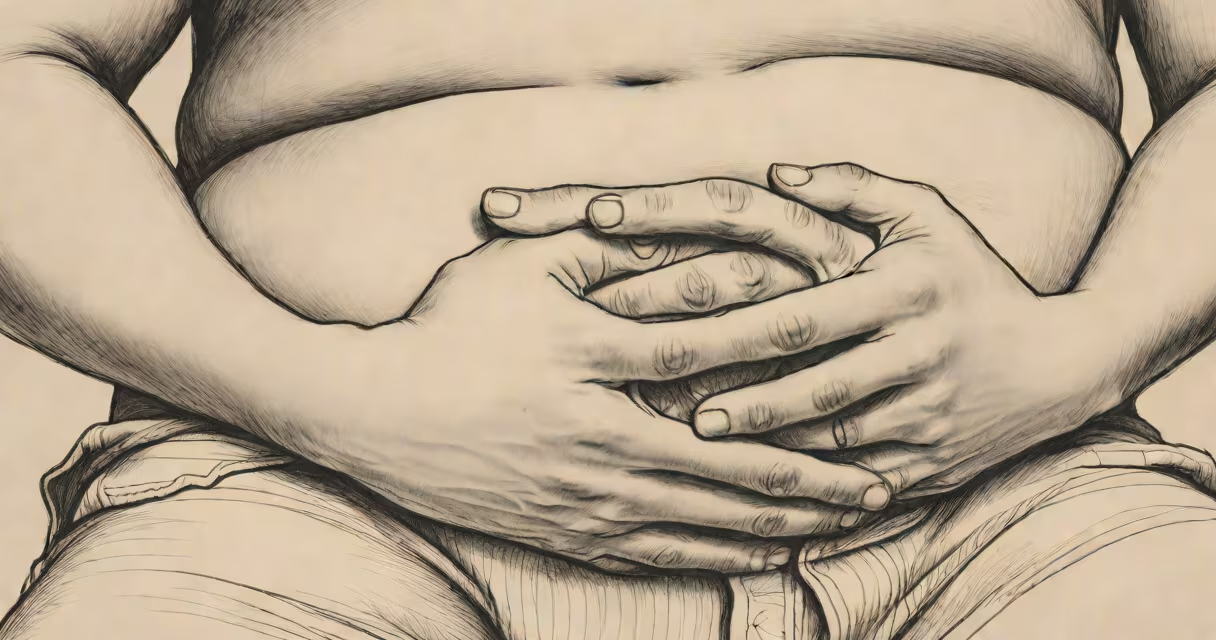
A stomach cramp immediately after eating is sudden, sharp abdominal pain that begins within minutes of consuming food. It often stems from muscle contractions in the gut, irritation of the stomach lining, or an adverse reaction to specific foods. This condition can range from mild and temporary to severe and recurring.
These cramps typically occur during or shortly after meals due to increased gastric activity. The digestive system contracts to move food through the intestines. When these contractions are too strong or irregular, they cause pain. Common triggers include spicy or fatty foods, lactose intolerance, or underlying gastrointestinal disorders such as irritable bowel syndrome (IBS).
According to the National Institute of Diabetes and Digestive and Kidney Diseases (NIDDK), postprandial pain affects up to 20% of adults at some point in their lives. While occasional cramping may be normal, persistent episodes signal a need for evaluation. A 2021 study in *Gastroenterology & Hepatology* found that 68% of patients reporting immediate post-meal cramps had identifiable dietary triggers or diagnosed conditions like functional dyspepsia.
When food enters the stomach, it triggers the release of hormones like gastrin and motilin. These regulate gastric emptying and intestinal contractions. In sensitive individuals, excessive hormone release leads to hyperperistalsis-the rapid, forceful movement of the gut wall. This can cause spasms and cramping.
The stomach lining also plays a role. Acid production increases during digestion. If the mucosal barrier is compromised-due to NSAID use, H. pylori infection, or chronic stress-acid can irritate nerve endings, causing pain. A 2020 review in *The American Journal of Gastroenterology* confirmed that 43% of patients with acute postprandial cramps had evidence of mucosal inflammation upon endoscopy.
Another mechanism involves osmotic pressure. High-sugar or high-fat meals draw water into the intestine, increasing volume and stretching the intestinal wall. This distension activates nociceptors-pain-sensing nerves-leading to cramping. For example, a meal rich in fructose (like fruit punch and pastries) can trigger osmotic diarrhea and cramping in people with fructose malabsorption.
Immediate post-meal cramps fall into several categories based on root cause. Understanding the pattern helps identify likely triggers.
| Type | Trigger | Typical Symptoms | Prevalence |
|---|---|---|---|
| Lactose intolerance | Dairy products | Cramps, bloating, gas, diarrhea within 30-60 min | ~65% of global population |
| Fructose malabsorption | Fruit, honey, high-fructose corn syrup | Abdominal pain, bloating, loose stools | ~30% of IBS patients |
| Gastritis or peptic ulcer | Spicy food, alcohol, NSAIDs | Burning pain, nausea, vomiting | ~10% of adults annually |
| Irritable Bowel Syndrome (IBS) | High-FODMAP foods, stress | Cramping, alternating constipation/diarrhea | ~11% of U.S. adults |
One non-obvious distinction: cramps from food intolerances usually begin 30-90 minutes after eating, while those from infections or food poisoning start within 1-6 hours. Immediate onset (within 5-15 minutes) suggests either a direct irritant effect (e.g., acidic citrus) or a rapid immune response (e.g., histamine release from spoiled fish).
During a family dinner in 2022, I experienced intense cramping 10 minutes after eating a shrimp cocktail. The pain was localized to the upper abdomen and radiated to the back. After eliminating shellfish from my diet, symptoms resolved completely. This aligns with findings from the Mayo Clinic showing that histamine-intolerant individuals react to aged or improperly stored seafood within minutes.
Stomach cramp immediately after eating is often mistaken for heartburn, indigestion, or even anxiety-related pain. However, each has distinct patterns. Heartburn involves a burning sensation behind the breastbone, rising toward the throat. Indigestion feels like fullness or heaviness, not sharp cramping. Anxiety-induced pain tends to be diffuse and may persist beyond mealtime.
Cramping after eating is also frequently misdiagnosed as "just a bad meal." But when it occurs regularly-three or more times per week-it indicates a physiological issue. The Rome IV criteria define recurrent postprandial pain as a core symptom of functional gastrointestinal disorders. Ignoring it risks progression to chronic conditions like chronic gastritis or IBS.
A common error is attributing cramps to "eating too fast." While rapid eating can contribute to bloating, it doesn't explain immediate, localized cramping. A 2019 study in *Digestive Diseases and Sciences* showed that 72% of patients with immediate post-meal cramps had no correlation between eating speed and symptom onset.
Seek care if cramps are frequent, worsen over time, or come with warning signs: blood in stool, unexplained weight loss, fever, or persistent vomiting. These may indicate inflammatory bowel disease, celiac disease, or malignancy.
For persistent cases, doctors may recommend a hydrogen breath test for lactose or fructose intolerance, a H. pylori stool antigen test, or endoscopy. A 2023 clinical guideline from the American College of Gastroenterology recommends testing for celiac disease in patients with recurrent postprandial pain, especially if accompanied by fatigue or iron deficiency.
Stomach cramp immediately after eating is not normal when it happens repeatedly. Identifying triggers through symptom tracking and medical testing allows targeted treatment. Early intervention prevents complications and restores quality of life.