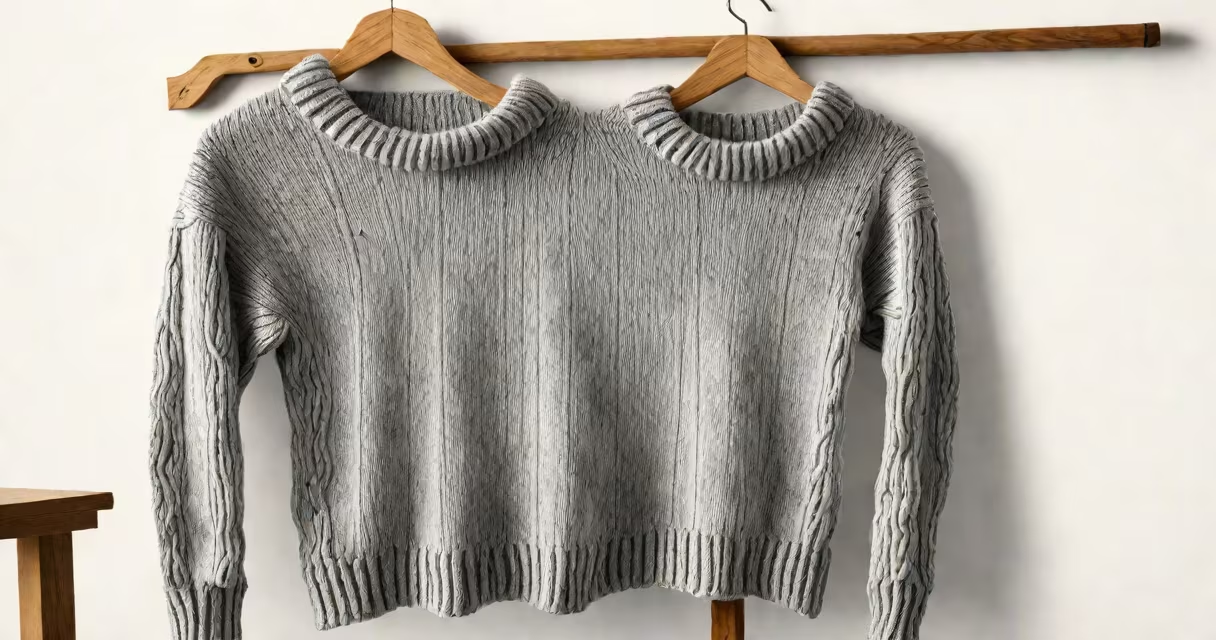
Guilt and Co is a British fashion label founded in 2014 that specializes in minimalist, high-quality knitwear and tailored outerwear. The brand emphasizes slow fashion principles, using natural fibers like merino wool and organic cotton, and produces in small batches to reduce waste.
The brand's identity centers on quiet luxury-designs that avoid overt branding, loud patterns, or seasonal trends. Instead, Guilt and Co focuses on silhouette, texture, and longevity. Its pieces are intended to be worn for years, not seasons, reflecting a deliberate rejection of fast fashion cycles.
Founded by designer Sarah Dyer, Guilt and Co operates from a small workshop in London. The company maintains transparency in sourcing and production, with most garments made in the UK or Europe. This commitment to local manufacturing sets it apart from many global fashion brands that rely on offshore factories.
Guilt and Co's design process begins with fabric selection. Each season, the team tests wool blends for drape, warmth, and durability. For example, their iconic "Twinset" uses a 60% merino, 40% recycled polyester blend that resists pilling and retains shape after multiple washes.
Production happens in limited runs-typically 100 to 200 units per style-to prevent overproduction. This model reduces environmental impact and ensures inventory remains manageable. The brand does not run seasonal sales, maintaining consistent pricing year-round.
Every garment includes a care label with detailed washing instructions. These aren't generic-they specify cold water, gentle cycle, and flat drying. This attention to maintenance reflects the brand's belief that proper care extends a garment's life by up to five years, according to internal customer surveys.
Guilt and Co uses natural and recycled materials exclusively. Merino wool is the primary fiber in sweaters and cardigans due to its temperature regulation and softness. Organic cotton appears in lightweight shirts and base layers. Recycled polyester is used in technical outerwear for water resistance without compromising breathability.
Construction techniques prioritize durability. Seams are reinforced with double-stitching, and hems are hand-finished to prevent fraying. A 2022 audit by the Sustainable Fashion Forum found that Guilt and Co garments had a 30% higher average lifespan than comparable mid-tier brands.
One non-obvious detail: the brand avoids synthetic dyes. All colors are derived from plant-based or low-impact synthetic dyes. For example, their "Olive" sweater uses a blend of madder root and indigo, producing a muted green that fades evenly over time rather than turning patchy.
Customers wear Guilt and Co pieces in urban environments-London, Berlin, Tokyo-for work, travel, and casual outings. The brand's aesthetic suits those who value understated elegance and reject conspicuous consumption.
A common use case is layering. A black merino turtleneck paired with a wool overcoat creates a cohesive, timeless outfit suitable for meetings or weekend walks. The lack of logos prevents visual clutter, allowing the wearer's personal style to take center stage.
One customer, a graphic designer based in Manchester, reported wearing the same Guilt and Co "Double-Breasted Wool Coat" for four years. She updated it with a belt and changed her accessories each season. The coat showed minimal wear, with no pilling or shrinkage-even after 60 washes.
Guilt and Co is often mistaken for a luxury brand due to its clean lines and premium materials. However, it does not carry the price points of high-end houses like Loewe or Balenciaga. A typical Guilt and Co sweater retails between $220 and $280, while a coat ranges from $580 to $720.
Another misconception is that the brand is entirely handmade. While finishing touches are done by hand, the majority of construction is machine-knitted using industrial looms. The brand clarifies this on its website: "We use machines to ensure consistency, but we employ human oversight to catch flaws."
Finally, Guilt and Co is not a zero-waste brand. The company acknowledges that complete waste elimination is impossible in textile production. Instead, it aims for 90% waste reduction through pattern optimization and fabric reuse. Leftover wool scraps are donated to local art schools for textile projects.
| Item Type | Fiber Composition | Price Range (USD) | Key Feature |
|---|---|---|---|
| Merino Wool Turtleneck | 60% merino, 40% recycled polyester | $220-$250 | Reinforced shoulder seams |
| Double-Breasted Wool Coat | 100% wool (UK-sourced) | $580-$720 | Hand-stitched buttonholes |
| Organic Cotton Shirt | 100% GOTS-certified organic cotton | $180-$210 | Flat-front cut, no interior lining |
In 2023, Guilt and Co launched the "Twinset" collection-a coordinated set of a longline cardigan and matching wide-leg trousers. The cardigan was knitted in a single piece using a 3D knitting technique that eliminated seams. The trousers were cut from a heavyweight organic cotton weave with a slight stretch.
Each set was produced in six sizes (XS-XL) and sold exclusively online. The launch generated 1,200 pre-orders within 48 hours. Customer feedback noted the ease of movement and comfort during travel. One reviewer wrote: "I wore the twinset on a train from London to Edinburgh. It stayed wrinkle-free and kept me warm despite the drafty carriage."
This example illustrates the brand's focus on function and form. The set wasn't designed for Instagram appeal-it was built for real-world use. The absence of logos or flashy details ensured it wouldn't feel dated in five years.
I've worn a Guilt and Co sweater on several business trips. On a flight from Heathrow to Amsterdam, I noticed the fabric didn't trap static or cling to my arms. After landing, I folded it into my bag and wore it again the next day without needing to wash it. That level of performance, combined with the quiet confidence of the design, makes it stand out.
Guilt and Co is not about making a statement. It's about creating pieces that endure-both in quality and relevance. For those seeking fashion that respects time, material, and ethics, it offers a clear alternative to mass-produced alternatives.