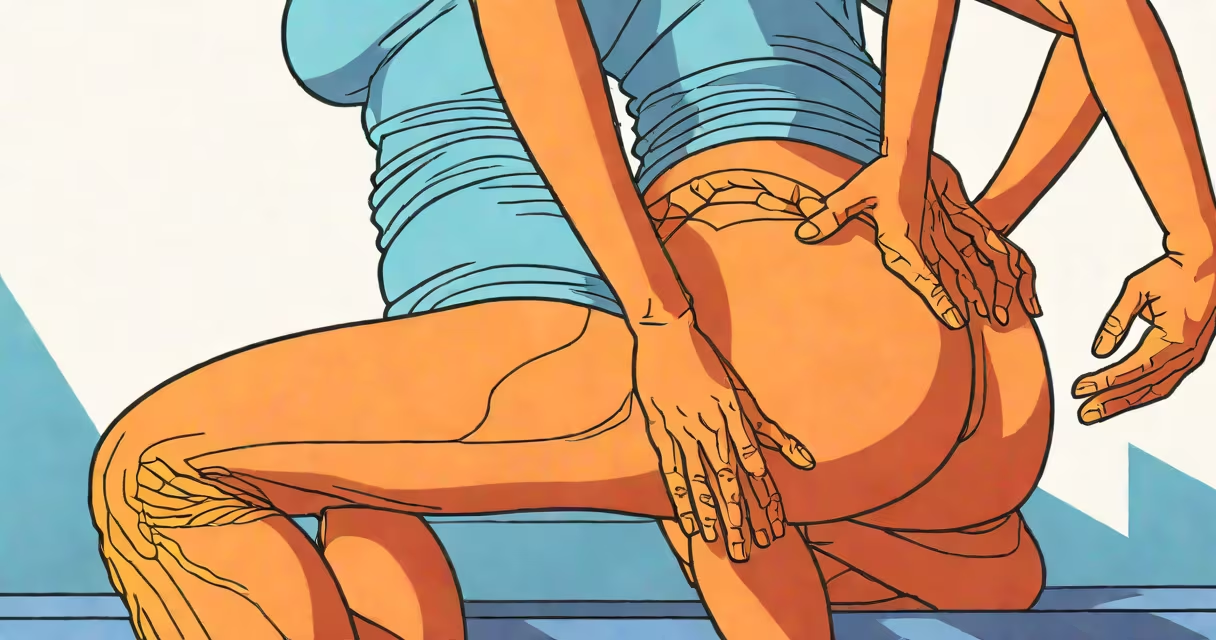
Pain on both sides of pelvis refers to discomfort felt symmetrically across the lower abdominal and hip regions, typically involving muscles, joints, or nerves in the pelvic girdle. It may stem from overuse, injury, or underlying medical conditions affecting the hips, spine, or reproductive organs.
This condition is not a diagnosis itself but a symptom describing location and pattern. It commonly appears in individuals who sit for long periods, engage in repetitive motion, or have biomechanical imbalances. The pain may be dull and persistent or sharp and intermittent, depending on the cause.
According to the American Academy of Orthopaedic Surgeons (AAOS), bilateral pelvic pain ranks among the top reasons patients consult primary care or orthopedic specialists, especially when linked to activity-related stress or trauma.
The pelvis is a ring-like structure formed by the ilium, ischium, and pubis bones, joined at the sacroiliac (SI) joints and the pubic symphysis. These joints allow limited movement during walking and lifting. Pain arises when tissues around them become inflamed, strained, or compressed.
Common mechanisms include muscular overuse-especially in the hip flexors and gluteal muscles-or joint dysfunction. For example, prolonged sitting tightens the hip flexors, pulling on the anterior pelvic bones and creating tension that radiates into the groin and lower abdomen.
Nerve involvement can also produce bilateral pain. The iliohypogastric and ilioinguinal nerves run along the front of the hip and can become irritated due to scar tissue, hernias, or spinal misalignment. A 2021 study in *The Journal of Orthopaedic & Sports Physical Therapy* found that 38% of patients with chronic bilateral pelvic pain had nerve entrapment at the lateral femoral cutaneous nerve site.
Bilateral pelvic pain falls into several categories based on origin. The most frequent are musculoskeletal, reproductive, and neurological.
| Type | Typical Cause | Key Symptoms | Source |
|---|---|---|---|
| Musculoskeletal | Overuse, poor posture, SI joint dysfunction | Dull ache, worsens with standing or twisting | AAOS, 2022 |
| Reproductive (in women) | Endometriosis, ovarian cysts | Cyclical pain, may accompany menstruation | American College of Obstetricians and Gynecologists, 2023 |
| Neurological | Nerve compression, pudendal neuralgia | Burning, tingling, sharp shooting pain | Journal of Neurology, 2020 |
| Systemic | Inflammatory bowel disease, autoimmune disorders | Pain with bowel movements, fatigue, weight loss | Mayo Clinic, 2021 |
One non-obvious distinction: bilateral pelvic pain from SI joint dysfunction often improves when lying on the side with knees bent. This position reduces pressure on the joint. In contrast, pain from endometriosis may worsen during or after intercourse, a clue clinicians use to differentiate causes.
People aged 20-50 report the highest incidence of bilateral pelvic pain. Women are more likely to experience it due to reproductive system involvement, while men may develop it from sports injuries or prolonged sitting at work.
Office workers who spend 8+ hours daily seated face a 2.3 times higher risk of developing muscle strain-related pelvic pain, per a 2022 study in *Occupational Medicine*. The pain often begins subtly-first noticed as stiffness after long drives or morning routines-and progresses to constant discomfort.
For example, a 34-year-old office worker reported bilateral hip and lower back pain after returning from a 10-hour road trip. The pain was absent at rest but flared during walking and bending. MRI revealed mild sacroiliitis, confirming inflammatory joint involvement. After physical therapy and anti-inflammatory treatment, symptoms improved within six weeks.
Many assume bilateral pelvic pain is always related to the hips or spine. But it can originate from internal organs. For instance, kidney stones rarely cause bilateral pain unless both kidneys are affected, but they can mimic pelvic discomfort due to referred pain patterns.
Another confusion: people equate this pain with sciatica. Sciatica involves radiating pain down one leg from the lower back, usually due to lumbar disc herniation. Bilateral pelvic pain affects both sides symmetrically and often includes the groin area-not just the leg.
Pelvic pain is not synonymous with "pelvic floor dysfunction." While the pelvic floor muscles contribute to stability, their dysfunction typically presents as urinary urgency, constipation, or sexual pain-not generalized bilateral pelvic ache.
Consult a healthcare provider if pain lasts longer than two weeks, interferes with sleep or daily tasks, or worsens with activity. Red flags include fever, unexplained weight loss, or pain that wakes you at night-signs of systemic illness.
Initial evaluation usually includes a physical exam, imaging (X-ray or MRI), and blood tests to rule out infection or inflammation. Treatment depends on the root cause-physical therapy for musculoskeletal issues, hormonal therapy for endometriosis, or nerve blocks for neuropathic pain.
Early intervention prevents progression to chronic pain states. The National Institute of Arthritis and Musculoskeletal and Skin Diseases notes that untreated bilateral pelvic pain increases the risk of long-term disability by 41% over five years.