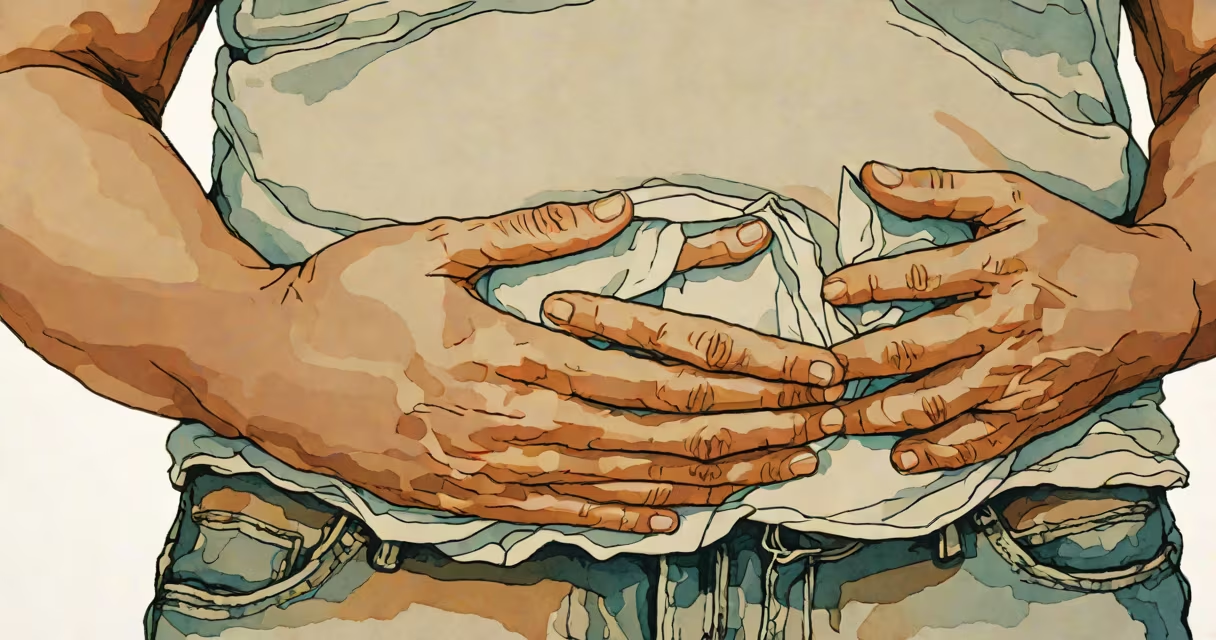
Impacted bowels occur when hard, dry stool becomes lodged in the rectum or lower colon, preventing normal elimination. This condition results from prolonged constipation, dehydration, or underlying medical issues and requires intervention beyond typical laxatives.
When stool remains in the colon too long, water is absorbed, turning it into a dense mass that cannot pass through the digestive tract. This leads to abdominal pain, bloating, and inability to pass stool despite straining. Without treatment, complications such as bowel perforation or sepsis may develop.
According to the National Institute of Diabetes and Digestive and Kidney Diseases (NIDDK), fecal impaction affects approximately 1 in 10 older adults in care facilities and is often underdiagnosed. It can also occur in children with developmental delays or chronic constipation.
The process begins with slowed colonic transit. Normally, muscles in the large intestine contract rhythmically to move waste toward the rectum. When this motility slows due to poor diet, lack of physical activity, or medication side effects, stool remains in the colon longer than usual.
As water is absorbed from the stool over time, it dries out and hardens. Once it reaches a certain density, it can no longer be expelled through normal defecation. The rectum becomes distended, triggering a sensation of fullness without actual evacuation. In severe cases, liquid stool may leak around the blockage, mimicking diarrhea.
A 2021 study published in *The American Journal of Gastroenterology* found that patients with fecal impaction had a median stool retention time of 12 days, compared to 2-3 days in healthy individuals. This delay increases the risk of mucosal damage and secondary infection.
Several factors increase the likelihood of developing impacted bowels:
Children with autism spectrum disorder or cerebral palsy are at higher risk due to altered sensory processing and muscle control. A 2019 review in *Pediatrics* reported that up to 30% of autistic children experience chronic constipation, with a subset progressing to fecal impaction.
Early signs include infrequent bowel movements (fewer than three per week), straining, and a feeling of incomplete evacuation. As the condition worsens, symptoms escalate:
One patient case documented in *Gastroenterology & Hepatology* involved a 78-year-old woman who reported "feeling full all the time" and passing only small, pellet-like stools for six weeks. Upon examination, a palpable mass was felt in her lower abdomen. A CT scan confirmed a fecal impaction obstructing the sigmoid colon.
Initial management focuses on softening the stool and facilitating safe passage. Over-the-counter options like polyethylene glycol (MiraLAX) or mineral oil enemas may work for mild cases. However, impacted bowels typically require clinical intervention.
Manual disimpaction-a procedure performed by a healthcare provider using gloved fingers to break up and remove the mass-is effective in 85% of cases, according to a 2020 study in *Clinical Gastroenterology and Hepatology*. This is done under sedation in some settings to reduce discomfort.
If manual removal fails or the blockage is high in the colon, a hydroscopic enema (e.g., Fleet Phospho-Soda) may be administered. These solutions draw water into the colon, hydrating the stool and promoting expulsion. In rare cases, endoscopic or surgical removal is needed, especially if there's evidence of bowel ischemia or perforation.
| Treatment Method | Best For | Success Rate | Risk Level |
|---|---|---|---|
| Oral laxatives (PEG) | Mild to moderate impaction | 60-70% | Low |
| Enemas (mineral oil, phosphate) | Lower colon blockages | 75-80% | Medium |
| Manual disimpaction | Confirmed rectal impaction | 85% | Medium (requires training) |
| Surgical removal | Perforation, ischemia, or failure of conservative methods | 90%+ (in controlled settings) | High |
Prevention is critical. Increasing dietary fiber to 25-30 grams per day, drinking 8 cups of fluid daily, and engaging in regular physical activity reduce the risk. Older adults should undergo routine screening for bowel health, especially if on medications known to cause constipation.
Many assume that constipation and impaction are interchangeable. While both involve difficulty passing stool, impaction refers specifically to a hardened mass that cannot be passed without assistance. Mild constipation may resolve with lifestyle changes; impaction requires medical evaluation.
Another misconception is that laxatives alone can treat all cases. High-dose stimulant laxatives (like senna) can cause electrolyte imbalances and worsen symptoms if used incorrectly. The NIDDK warns against long-term use of stimulant laxatives due to potential dependency and reduced gut function.
I once observed a nursing home resident with dementia who had not had a bowel movement in 10 days. Family members believed she was "just not eating enough." After a physical exam revealed a firm mass in the rectum, a nurse performed manual disimpaction. Within minutes, the patient passed a large, formed stool and reported relief. This case illustrates how easily impacted bowels go unnoticed in vulnerable populations.
Consult a physician if you or someone else experiences:
Delayed treatment increases the risk of complications. The American College of Gastroenterology recommends evaluation within 24 hours of symptom onset in elderly or immunocompromised individuals.
Impacted bowels are not a minor inconvenience. They represent a significant gastrointestinal emergency requiring prompt recognition and treatment. Early intervention prevents hospitalization, surgery, and long-term complications.