Tiroides de hashimoto is an autoimmune condition in which the body produces antibodies that attack the thyroid gland, leading to inflammation and reduced thyroid hormone production. It is the most common cause of acquired hypothyroidism in adults, affecting approximately 1-2% of the population in the United States.
The condition was first described in 1895 by Dr. Hakaru Hashimoto, a Japanese surgeon who documented cases of chronic lymphocytic thyroiditis. Modern understanding confirms it results from a combination of genetic predisposition and environmental triggers such as viral infections, iodine excess, and stress. Diagnosis relies on blood tests detecting elevated thyroid peroxidase (TPO) and thyroglobulin antibodies.
Hashimoto's disease progresses slowly. Early stages may show no symptoms. As thyroid function declines, fatigue, weight gain, cold intolerance, dry skin, and depression emerge. Left untreated, it can lead to myxedema, a life-threatening condition marked by severe hypothyroidism and altered mental status.
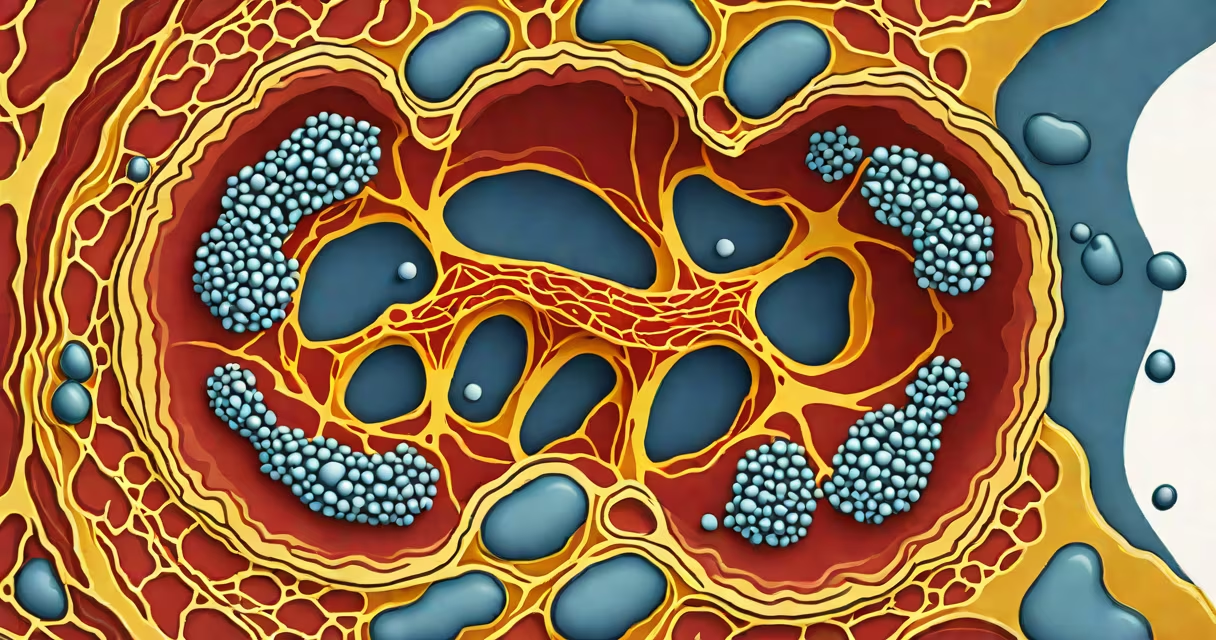
The immune system mistakenly identifies thyroid tissue as foreign. T cells infiltrate the thyroid, causing fibrosis and follicular destruction. This process reduces the gland's ability to produce thyroxine (T4) and triiodothyronine (T3), hormones essential for metabolism, heart rate, and brain function.
Autoantibodies-especially anti-TPO-are present in over 90% of patients with clinically confirmed tiroides de hashimoto. These antibodies bind to thyroid cells, triggering complement activation and cell death. Over time, the gland shrinks and becomes firm, often detectable during physical exam as a diffusely enlarged or nodular thyroid.
A 2021 study published in *The Journal of Clinical Endocrinology & Metabolism* found that individuals with high anti-TPO titers have a 40% higher risk of progressing to overt hypothyroidism within five years compared to those with low titers.
There is no formal classification into subtypes, but presentations vary based on disease stage and individual response:
| Stage | Thyroid Function | Antibody Levels | Common Symptoms |
|---|---|---|---|
| Subclinical | Normal TSH, low T4 | High anti-TPO | Fatigue, mild weight gain |
| Overt Hypothyroidism | Elevated TSH, low T4 | Very high anti-TPO | Depression, hair loss, constipation |
| Thyroid Nodules | Variable | High | Palpable neck mass, hoarseness |
Some patients develop a goiter-a visible enlargement of the thyroid-due to chronic inflammation. Others may experience transient hyperthyroidism (Hashitoxicosis) early in the disease, caused by antibody-induced release of stored thyroid hormones. This phase typically lasts weeks to months before transitioning to hypothyroidism.
Diagnosis begins with a serum TSH test. A result above 4.0 mIU/L suggests hypothyroidism. Confirmatory testing includes free T4 and anti-TPO antibody levels. A positive anti-TPO test in the presence of elevated TSH confirms tiroides de hashimoto.
Ultrasound imaging shows a heterogeneous, hypoechoic thyroid gland with increased vascularity in early stages. In advanced cases, the gland appears shrunken and fibrotic. Fine-needle aspiration biopsy is reserved for suspicious nodules, not routine diagnosis.
One non-obvious point: up to 15% of people with tiroides de hashimoto have normal TSH and T4 levels. These individuals are often misdiagnosed or monitored incorrectly. The American Thyroid Association recommends screening for anti-TPO antibodies in women planning pregnancy due to risks of fetal neurodevelopmental issues.
Levothyroxine replacement therapy is standard for overt hypothyroidism. Doses start at 1.6 mcg/kg/day and are adjusted based on TSH levels every 6-8 weeks until stable. Most patients require lifelong treatment.
For subclinical disease, treatment is not routinely recommended unless symptoms are significant. A 2020 randomized controlled trial in *The New England Journal of Medicine* showed no cognitive benefit from levothyroxine in patients with subclinical hypothyroidism and mild symptoms.
Iodine intake must be carefully managed. Excess iodine-found in kelp supplements, certain medications, and high-salt diets-can worsen autoimmune activity. Patients should avoid iodine-rich foods like seaweed and iodized salt unless advised otherwise.
As a clinician, I've seen patients improve after discontinuing high-dose multivitamins containing iodine. One woman reported resolving fatigue and weight gain after stopping a supplement labeled "thyroid support" that contained 150 mcg of iodine daily-well above the recommended 150 mcg/day for adults.
Many assume tiroides de hashimoto is rare or only affects older women. In reality, it occurs in men and children too. Women are affected 5-8 times more frequently than men, but male cases are underreported.
Another myth: that diet alone can reverse the disease. While gluten-free and anti-inflammatory diets may reduce symptom burden, they do not eliminate autoantibodies or restore thyroid function. No evidence supports dietary cure in peer-reviewed literature.
Some confuse tiroides de hashimoto with Graves' disease, another autoimmune thyroid disorder. Graves' causes hyperthyroidism with eye bulging (ophthalmopathy), while Hashimoto's leads to hypothyroidism with goiter. Both involve autoantibodies, but against different targets: TSH receptor antibodies in Graves', TPO antibodies in Hashimoto's.
With consistent treatment, patients live normal lifespans. Regular monitoring of TSH every 6-12 months ensures optimal dosing. Pregnancy requires dose adjustments-up to 30% higher-to maintain maternal and fetal health.
Patients with tiroides de hashimoto have a slightly increased risk of developing other autoimmune conditions, including type 1 diabetes, celiac disease, and lupus. Screening for these comorbidities is recommended.
Early detection and consistent treatment prevent complications. Tiroides de hashimoto is manageable, not curable-but with proper medical oversight, quality of life remains high.