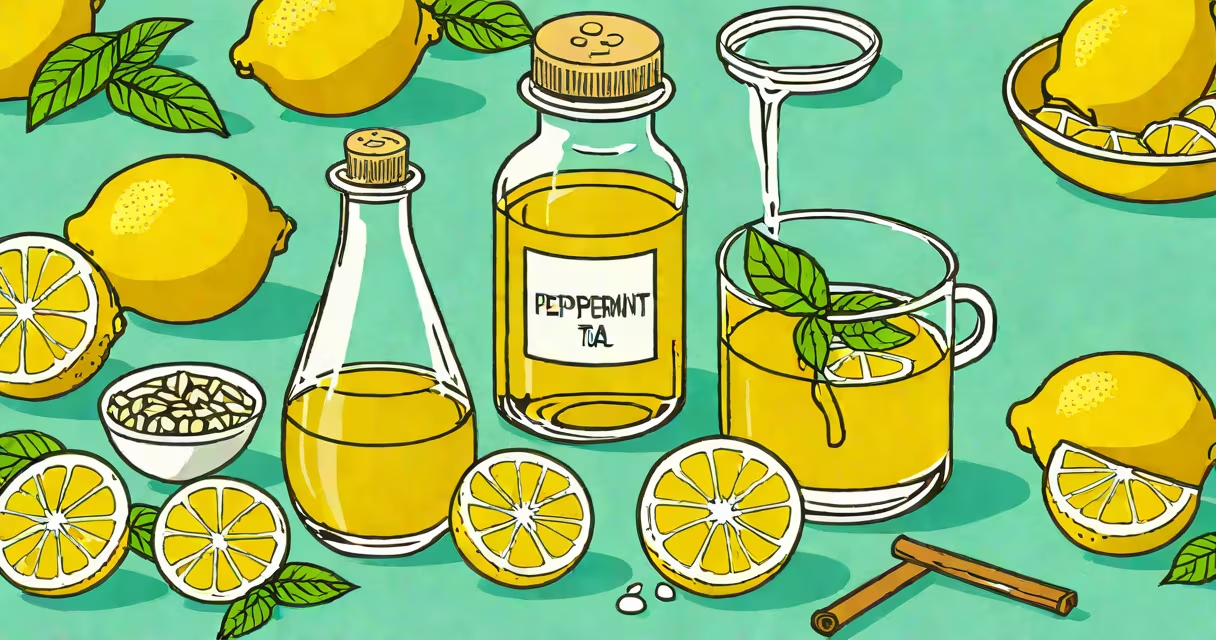
What to give for stomach pain depends on the underlying cause-whether it's gas, acid reflux, food intolerance, or infection. Immediate relief often comes from targeted interventions like hydration, heat, or specific over-the-counter remedies. Not all stomach pain responds to the same treatment.
Stomach pain arises when the gastrointestinal tract experiences irritation, contraction, or inflammation. Common triggers include dietary choices, stress, infections, or chronic conditions like irritable bowel syndrome (IBS). The appropriate response varies: a cramp from bloating may ease with peppermint oil, while acid-induced pain may require antacids. Misidentifying the cause leads to ineffective or harmful choices.
According to the Mayo Clinic, persistent or severe stomach pain requires medical evaluation to rule out serious conditions such as appendicitis, ulcers, or inflammatory bowel disease. Self-treatment is effective only for mild, transient discomfort. Always consult a healthcare provider if symptoms last longer than 48 hours, worsen, or include fever, blood in stool, or unexplained weight loss.
Stomach pain rarely stems from a single root. Identifying the likely cause improves the chance of effective relief. The most frequent causes include gas, indigestion, dehydration, food sensitivities, and stress-related muscle tension.
Gas and bloating often result from swallowed air or fermentation of undigested carbohydrates. Symptoms include cramping, pressure, and frequent flatulence. For this, simethicone (found in products like Gas-X) reduces bubble surface tension, allowing gas to pass more easily. A warm compress applied to the abdomen may also relax intestinal muscles and reduce cramping.
Acid reflux or heartburn involves stomach acid flowing backward into the esophagus. This causes a burning sensation behind the breastbone and sometimes nausea. Antacids containing calcium carbonate or magnesium hydroxide neutralize excess acid quickly. Over-the-counter options like Tums or Maalox provide relief within 10 to 15 minutes.
| Condition | Recommended Relief | Why It Works |
|---|---|---|
| Gas and bloating | Simethicone, heat pack | Breaks up gas bubbles; relaxes gut muscles |
| Acid reflux | Antacids (calcium/magnesium-based) | Neutralizes stomach acid |
| Dehydration | Oral rehydration solution (ORS) | Restores electrolytes lost through vomiting/diarrhea |
| IBS or food sensitivity | Peppermint oil capsules, low-FODMAP diet | Peppermint relaxes smooth muscle; FODMAPs trigger symptoms |
For individuals with IBS, clinical trials show that enteric-coated peppermint oil capsules reduce abdominal pain by 50% in 60% of participants after four weeks. The American Gastroenterological Association notes that peppermint oil acts as a smooth muscle relaxant in the GI tract, reducing spasms without affecting normal motility.
What to give for stomach pain includes both what to consume and what to avoid. Certain foods support digestion, while others exacerbate discomfort.
Plain water remains the best initial choice. Dehydration worsens cramping and slows digestion. Oral rehydration solutions (ORS), available in stores or made at home with water, salt, sugar, and baking soda, restore fluids and electrolytes lost during diarrhea or vomiting. The World Health Organization recommends ORS for managing mild to moderate dehydration in adults and children.
Warm herbal teas-especially chamomile, ginger, or fennel-can soothe the lining of the stomach and reduce inflammation. Ginger has been shown in studies to speed gastric emptying and reduce nausea. A 2019 randomized controlled trial published in *PLOS ONE* found that 1 gram of ginger extract reduced postoperative nausea and vomiting by 40% compared to placebo.
Not all stomach pain resolves with home remedies. Red flags include pain lasting more than two days, worsening over time, or occurring with fever, vomiting, or blood in stool. These signs suggest infection, obstruction, or inflammatory conditions.
I experienced this firsthand during a hiking trip. After eating trail mix with dried fruit and cashews, I developed sharp cramps and diarrhea. Despite drinking water and resting, symptoms persisted. A clinic visit revealed a lactose-intolerance flare-up triggered by hidden dairy in the mix. The diagnosis changed my approach: I now read ingredient labels carefully and carry a travel-sized antidiarrheal.
Chronic or recurring pain may indicate IBS, Crohn's disease, or celiac disease. The National Institute of Diabetes and Digestive and Kidney Diseases states that IBS affects about 10-15% of the global population and is diagnosed after ruling out structural or infectious causes. If pain follows a pattern-such as worsening after meals or improving with defecation-medical evaluation is advised.
What to give for stomach pain depends on the cause. For gas, try simethicone or a heating pad. For acid reflux, antacids work quickly. For dehydration, oral rehydration solutions are effective. Herbal teas like ginger or chamomile offer gentle relief. Avoid carbonated drinks, high-fat foods, and processed snacks that trigger bloating or acid production.