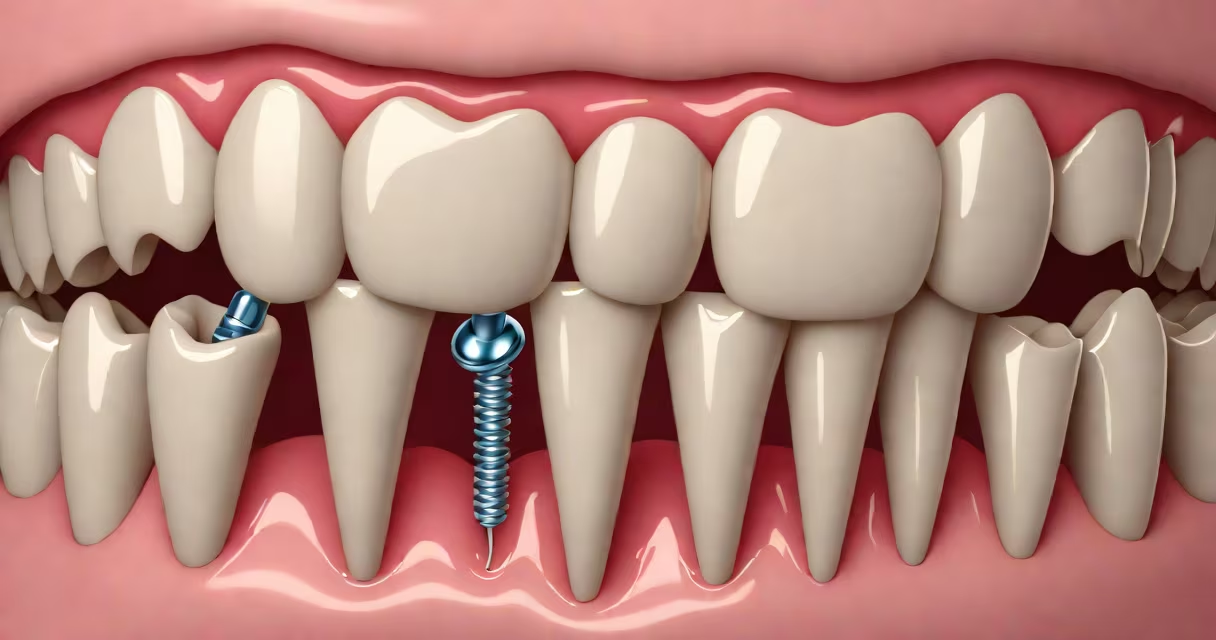
Dental stitches, or sutures, are thin threads placed in the gums after oral surgery like wisdom tooth extraction. They appear as fine, white, or clear filaments stitched into the gum tissue near the surgical site. Their purpose is to hold tissue together while it heals, reduce bleeding, and prevent dry socket.
These sutures are typically made from absorbable materials such as polyglycolic acid (PGA) or polylactic acid (PLA). They dissolve over time-usually within 7 to 14 days-but may remain visible for longer. Non-absorbable sutures exist but are rare in routine dental procedures and require removal by a dentist.
After a tooth extraction, especially of impacted wisdom teeth, sutures are often placed to close the wound and support tissue regeneration. They are not meant to be seen at all times-some may be partially hidden under gum tissue or covered by blood clots. However, they are usually visible as small loops or threads along the gumline.
There are two main types of dental stitches: absorbable and non-absorbable. Absorbable sutures are most common in dental procedures. They gradually break down and disappear as healing occurs. Non-absorbable sutures are stronger and last longer but must be removed manually.
| Type | Material | Visibility Duration | Removal Required? |
|---|---|---|---|
| Absorbable | PGA, PLA, or collagen | 7-14 days | No |
| Non-absorbable | Polypropylene or nylon | Several weeks to months | Yes |
Visually, absorbable sutures resemble thin white or clear threads. They may curl slightly at the ends or appear slightly frayed as they degrade. Some patients report seeing a small knot or loop protruding from the gum. This is normal and not a sign of infection.
Non-absorbable sutures are thicker and more durable. They are usually white or light blue and remain intact until removed. You'll notice them during mouth checks or brushing. They're less common in routine extractions but may be used in complex cases involving bone grafts or large tissue flaps.
After a tooth extraction with sutures, healing follows a predictable pattern. In the first 24 hours, swelling and mild pain are expected. The suture holds the clot in place and prevents dislodgement-a major cause of dry socket.
By day 3 to 5, the initial swelling subsides. The suture begins to loosen as tissue regenerates. By day 7, many absorbable sutures start to fray or fall out on their own. Complete dissolution usually happens between days 10 and 14.
During this phase, patients may feel a loose thread or notice a small piece of suture coming out. This is normal. It's not necessary to pull it out. Let it dislodge naturally. Forcing removal increases the risk of reopening the wound.
One non-obvious fact: sutures don't always dissolve completely. A small fragment may remain embedded in the gum for weeks. This doesn't indicate infection or failure. It's simply leftover material from the degradation process. If the area remains painful or swollen beyond 14 days, consult your dentist.
Many patients mistake the suture for a foreign object or worry it's causing pain. A suture is not a sharp or irritating object-it's designed to be biocompatible and gentle on tissue. If you feel discomfort, it's likely due to inflammation, not the stitch itself.
Another common confusion: thinking sutures are always visible. In reality, they may be hidden beneath gum tissue or covered by a blood clot. If you can't see them, that's normal. Visibility varies based on placement and individual anatomy.
Red flags include persistent pain lasting more than 7 days, swelling that worsens after day 3, foul-smelling discharge, or visible pus around the suture. These suggest infection or dry socket. Dry socket occurs when the blood clot dislodges, exposing bone. It causes severe pain radiating to the ear and jaw.
I once observed a patient who reported "a thread stuck in my gum" after a molar extraction. Upon examination, the suture was intact and dissolving normally. The patient had been trying to remove it with a toothpick. Removing the suture prematurely caused minor bleeding and delayed healing. The lesson: leave sutures alone unless instructed otherwise.
Contact your dentist if you notice any of the following:
If you're unsure whether a symptom is normal, take a photo of the area and send it to your provider. Visual confirmation reduces anxiety and improves diagnosis accuracy.
Dental stitches are a standard part of post-extraction care. They appear as thin, white or clear threads in the gum. Most dissolve within two weeks. If you have concerns about pain, visibility, or healing, contact your dentist promptly. Normal healing progresses without intervention-your body handles the rest.