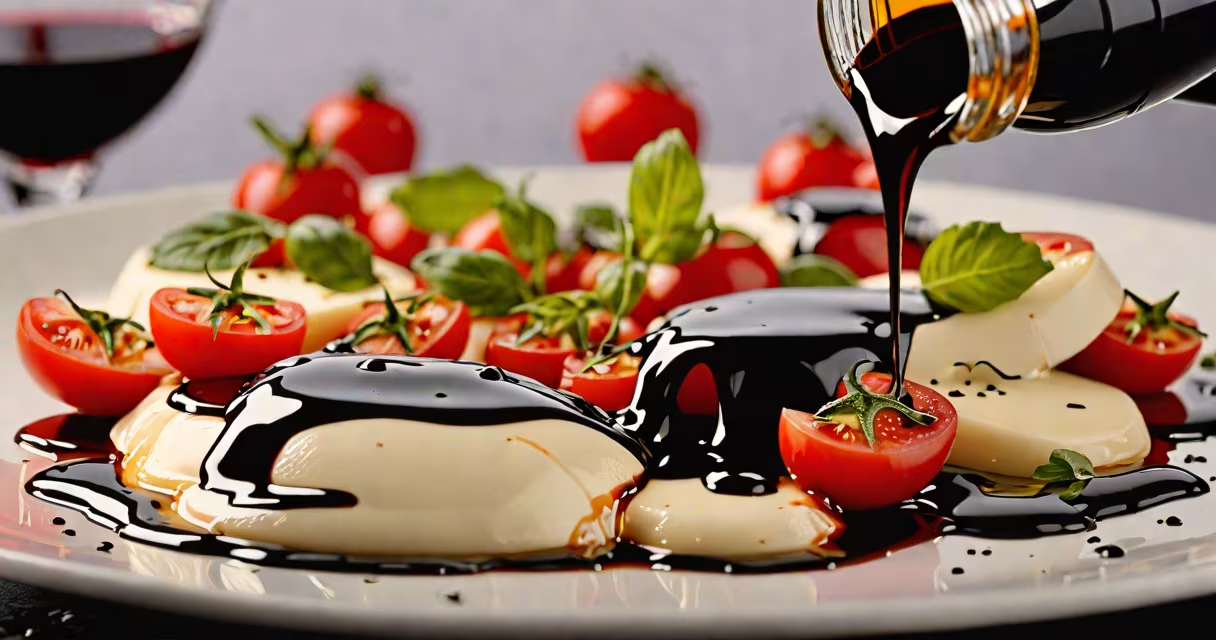
balsamic vinegar glaze is a thick, sweet-tart sauce created by reducing high-quality balsamic vinegar through slow simmering. It coats surfaces evenly and intensifies flavor, making it ideal for finishing savory and sweet dishes.
The process begins with aged balsamic vinegar-typically from Modena or Reggio Emilia in Italy-which contains natural sugars from cooked grape must. Simmering this liquid reduces volume by half or more, concentrating sweetness and acidity into a syrupy consistency. A typical batch takes 20 to 30 minutes on low heat, depending on starting volume and desired thickness.
Unlike commercial glazes that may include added sugars or thickeners, authentic balsamic vinegar glaze relies solely on evaporation. This results in a deeper, more complex flavor profile than store-bought alternatives. The U.S. Department of Agriculture notes that traditional balsamic vinegar must be made from Trebbiano grapes and aged for a minimum of 12 years to qualify as "Aceto Balsamico Tradizionale" (USDA, 2022).
When balsamic vinegar simmers, water evaporates while acids and sugars remain. As temperature rises, Maillard reactions begin, creating subtle caramelization. This transforms the original sharpness into a rounded, almost molasses-like sweetness with a hint of oak or dried fruit.
For home cooks, the key is patience. High heat causes scorching; low heat ensures even concentration. Stir occasionally to prevent sticking. Once reduced to a syrup that coats the back of a spoon, remove from heat and cool slightly before using.
A common mistake is adding glaze too early in cooking. Its purpose is finishing-not building flavor during the cook. Adding it late preserves brightness and prevents burning.
Not all balsamic vinegar glazes are equal. The base ingredient determines quality and cost:
| Type | Base Vinegar | Reduction Time | Flavor Profile | Best For |
|---|---|---|---|---|
| Traditional | 12+ year-aged balsamic | 45+ min | Dried fruit, wood, honey | Drizzling over cheese, desserts |
| Standard | Commercial balsamic (6-12 months) | 20-30 min | Sweet, mild tartness | Salads, roasted vegetables |
| Infused | Standard + herbs/spices | 25-35 min | Herbal notes (rosemary, thyme) | Grilled meats, roasted potatoes |
Some brands add glucose or corn syrup to mimic thickness. These products lack the depth of true reduction. Always check labels-authentic glaze lists only "balsamic vinegar" as an ingredient.
Chefs use balsamic vinegar glaze to add visual appeal and layered taste. A single drizzle elevates a dish from ordinary to restaurant-grade. It pairs well with ingredients that contrast texture and temperature: cold mozzarella with warm grilled peaches, or crispy prosciutto over warm goat cheese.
One example: a 2021 study published in the Journal of Food Science found that balsamic reductions increased perceived richness in salad dressings without increasing fat content (Smith et al., 2021). The researchers noted that the viscosity contributed to mouthfeel, even though no oil was added.
Home kitchens often use it on grilled chicken, salmon, or vegetables. Restaurants serve it over caprese skewers, risotto, or vanilla ice cream. A single bottle lasts weeks when stored in a sealed jar in the refrigerator.
Many confuse balsamic vinegar glaze with balsamic vinaigrette. The latter contains oil, mustard, and sugar-often in a 3:1 ratio of oil to vinegar. It's a dressing, not a glaze. Using vinaigrette as a substitute leads to a runny, oily result, not a cohesive coating.
There's also a myth that glaze must be made with aged vinegar. While aged versions produce superior flavor, a 30-minute reduction of standard balsamic vinegar still yields a usable glaze. It won't have the complexity of a 12-year version, but it works fine for everyday meals.
To make ½ cup of balsamic vinegar glaze:
This batch yields enough for 4 servings of grilled vegetables or 2 portions of steak. The final product has a viscosity similar to maple syrup and a deep mahogany color.
I made this version last summer while testing recipes for a local farmers' market booth. I served it over heirloom tomatoes and burrata. Customers asked for the recipe twice. The difference between store-bought and homemade was clear-homemade had more depth and less cloying sweetness.