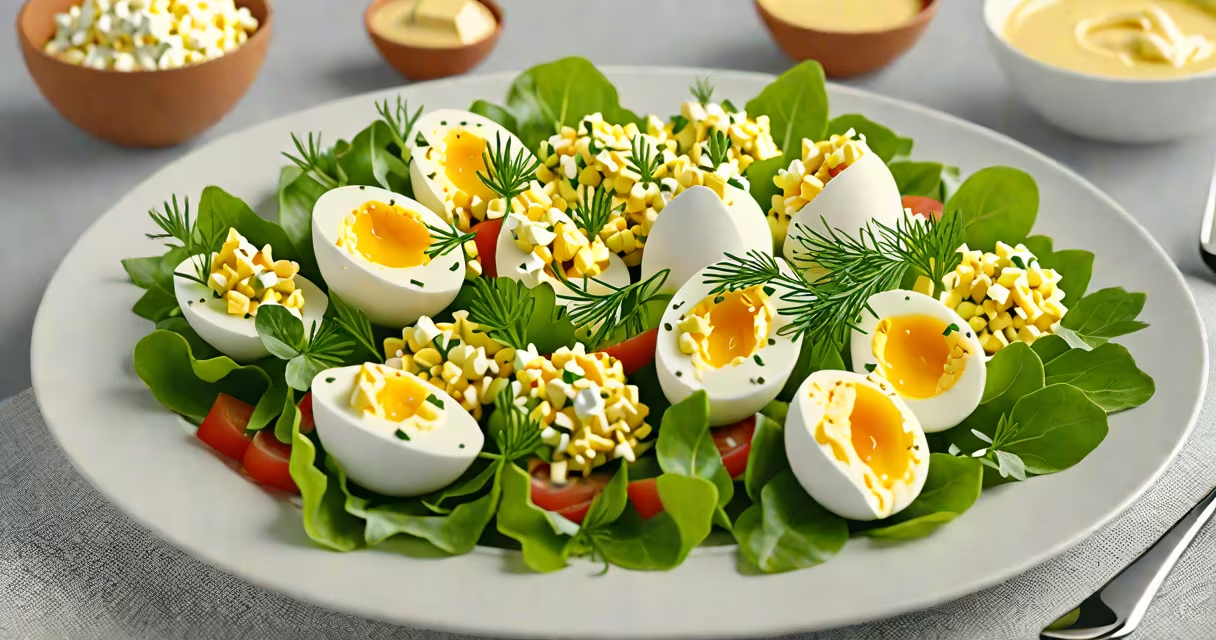
egg salad recipes are simple preparations using mashed hard-boiled eggs mixed with mayonnaise, seasonings, and optional add-ins like celery, mustard, or herbs. They serve as a staple sandwich filling, side dish, or snack with minimal prep time.
Hard-boiled eggs form the base. After boiling and cooling, they're peeled and mashed. Mayonnaise binds the mixture, adding creaminess and richness. Seasonings such as salt, pepper, and Dijon mustard balance flavor. Common additions include finely diced celery for crunch, chopped chives for freshness, or a splash of lemon juice for brightness.
Recipes vary by region and preference. American versions often use full-fat mayonnaise and generous amounts of celery. British-style egg salad leans into mustard and less mayo, sometimes including capers or gherkins. Some versions omit mayo entirely, relying on Greek yogurt or avocado for creaminess. A few experimental recipes incorporate smoked paprika, dill, or even a dash of hot sauce.
The texture and mouthfeel come from the emulsion between mashed egg and fat-based ingredients. Egg yolks contain lecithin, which stabilizes the oil in mayonnaise. When combined, they create a smooth, cohesive paste. Overmixing leads to a runny result; gentle mashing preserves structure.
Flavor development relies on layering. Salt enhances the natural savoriness of eggs. Acidic elements like lemon juice or vinegar cut through richness and brighten the taste. Mustard adds tang and depth, while herbs contribute aromatic complexity. Celery offers contrast in both texture and mild vegetal flavor.
For optimal results, use eggs cooked to perfection-boiled for 9-12 minutes, then cooled rapidly in ice water. This prevents the green ring around the yolk, which forms when eggs are overcooked due to iron-sulfur reaction. Proper cooling also makes peeling easier.
Not all egg salad recipes are the same. The choice of binder, texture, and flavor profile defines the style.
| Type | Binder | Texture | Flavor Profile | Best For |
|---|---|---|---|---|
| Classic American | Mayonnaise | Creamy, dense | Rich, tangy, slightly sweet | Sandwiches, wraps |
| Light & Fresh | Greek yogurt or avocado | Moist, less heavy | Herbal, clean, mild | Salad bowls, low-fat diets |
| British-Style | Mustard + small amount of mayo | Loose, tangy | Sharp, zesty, less rich | On toast, with pickled onions |
| Spicy Kick | Mayo + sriracha or chili oil | Creamy with heat | Warm, bold, complex | With chips, in tacos |
A non-obvious fact: many people assume egg salad must include celery. But in 19th-century England, egg salad was served plain or with anchovies. Celery became popular in the U.S. during the early 20th century, partly due to marketing campaigns promoting it as a "healthy" addition.
These recipes are widely used in home kitchens, school lunchboxes, and picnic spreads. Their appeal lies in being quick, affordable, and adaptable. A single batch serves 4-6 people and keeps well for up to 3 days in the refrigerator.
They're ideal for meal prep. Hard-boiled eggs last up to a week when stored properly. Prepping a batch on Sunday allows for weekday lunches without cooking. A 2023 USDA survey found that 41% of American households prepare egg salad at least once a month, mostly for sandwiches.
One common mistake is using warm eggs. Cold eggs hold their shape better when mashed. Warm eggs release moisture, making the salad watery. Always cool boiled eggs completely before mixing.
Egg salad is often mistaken for egg foo young, a Chinese stir-fried omelet with vegetables and sauce. It's also confused with deviled eggs, which are hollowed-out hard-boiled eggs filled with a spiced mixture. While all use hard-boiled eggs, egg salad is a loose, spreadable mixture meant for serving in bulk.
Another confusion: some assume egg salad requires a recipe. But the basic version-eggs, mayo, salt-is a standard pantry combination. No precise measurements are needed. The ratio of 1 part mayo to 2 parts mashed egg is a common guideline, but personal preference dominates.
I once made egg salad for a potluck using leftover eggs from a holiday dinner. I added chopped scallions and a pinch of smoked paprika. It was a hit-people asked for the recipe. That moment confirmed: simplicity wins. You don't need fancy tools or rare ingredients. Just eggs, mayo, and a spoon.
Ingredients:
Steps:
Time: 12 minutes total. Yield: 4 sandwiches. Calories per sandwich: ~380.
This recipe is consistent with guidelines from the Harvard T.H. Chan School of Public Health, which recommends using whole eggs for protein and healthy fats, and limiting high-sodium condiments. The use of fresh herbs and lemon juice aligns with dietary recommendations for flavor without excess salt.
Egg salad recipes are flexible, nutritious, and deeply rooted in everyday cooking. Whether you prefer a classic version or a creative twist, the core remains the same: mashed eggs, fat, and flavor. With minor adjustments, they adapt to diet needs, cultural preferences, and seasonal ingredients.