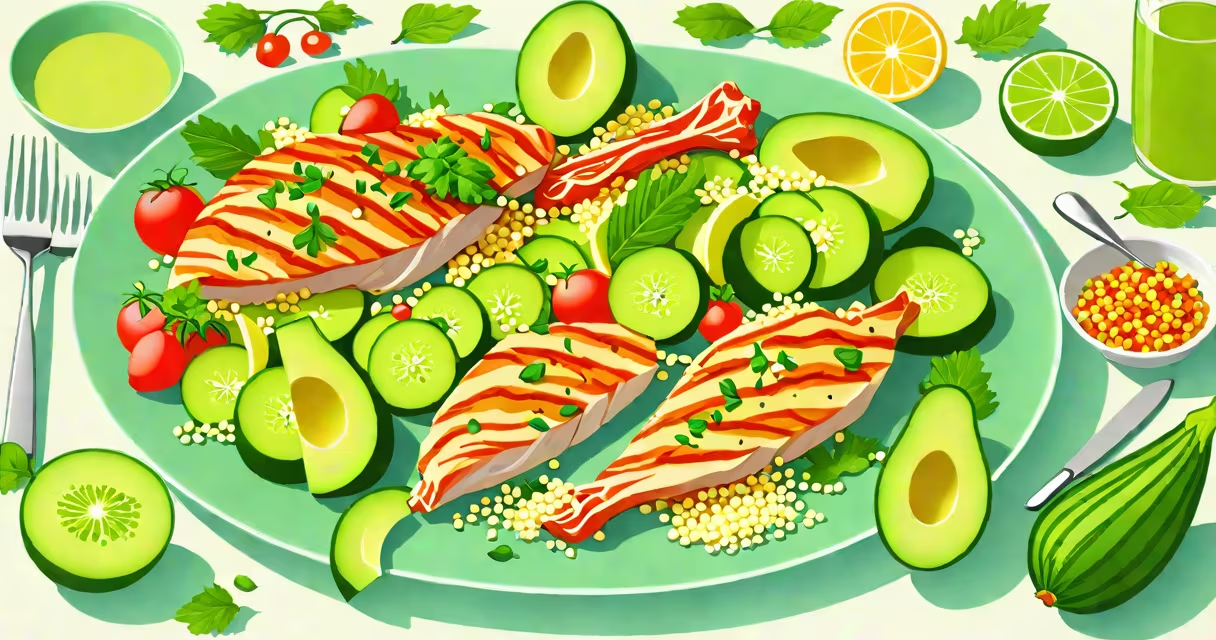
The complete low fodmap diet is a structured eating plan that removes fermentable oligosaccharides, disaccharides, monosaccharides, and polyols (FODMAPs) from the diet to reduce gastrointestinal symptoms like bloating, gas, and abdominal pain. It is primarily used to manage irritable bowel syndrome (IBS) and other functional gut disorders.
FODMAPs are short-chain carbohydrates poorly absorbed in the small intestine. They draw water into the gut and ferment in the large intestine, producing gas and altering gut motility. The diet operates in three phases: elimination, reintroduction, and personalization. During the elimination phase, high-FODMAP foods are removed for 2-6 weeks. After symptom improvement, foods are gradually reintroduced to identify individual triggers.
Research shows that 75% of people with IBS experience significant symptom reduction on a low FODMAP diet, according to a 2014 study published in the journal Gastroenterology. A 2021 review in Nutrients confirmed long-term benefits when followed under clinical supervision. The diet is not a permanent restriction-it's a diagnostic tool to uncover personal food sensitivities.
The diet targets four groups of carbohydrates: fructans (found in wheat, onions, garlic), lactose (in dairy), fructose (in excess of glucose, such as in apples and honey), and polyols (like sorbitol and mannitol in stone fruits and sugar-free gum).
When these carbs reach the colon undigested, they attract water and are fermented by gut bacteria. This leads to distension, pain, and altered bowel habits. By removing them temporarily, the gut can rest and inflammation may subside. Once symptoms improve, foods are reintroduced one at a time to determine tolerance levels.
A common mistake is assuming all high-FODMAP foods must be avoided forever. For example, garlic and onion are eliminated during the initial phase, but many people tolerate small amounts later. The goal is not lifelong restriction but identifying personal thresholds.
Low FODMAP foods are grouped by type. The following table outlines acceptable portions and examples for each category.
| FODMAP Type | Low FODMAP Foods (per 100g) | Portion Limits |
|---|---|---|
| Fructans | Spinach, carrots, potatoes, bananas (ripe), blueberries | ≤1 cup cooked rice or ½ medium banana |
| Lactose | Hard cheeses (e.g., cheddar), lactose-free milk, yogurt (low-lactose varieties) | ≤1 oz hard cheese or ½ cup lactose-free milk |
| Fructose | Oranges, kiwi, strawberries, cherries (1/2 cup) | ≤1 medium orange or 1 cup strawberries |
| Polyols | Watermelon, grapes, peaches (1/2 cup), almonds (6 nuts) | ≤1 cup watermelon or 6 raw almonds |
High-FODMAP foods to eliminate include wheat-based breads, rye, barley, garlic, onions, mushrooms, apples, pears, mangoes, and artificial sweeteners like xylitol and erythritol. Even small servings of these can trigger symptoms in sensitive individuals.
One non-obvious fact: some vegetables labeled "low FODMAP" in standard guides are actually high in fructans when consumed in larger quantities. For example, broccoli is safe in ½ cup servings but becomes high FODMAP at 1 cup. Portion size matters more than food type alone.
I followed the complete low fodmap diet for six weeks after experiencing chronic bloating and irregular stools. My doctor diagnosed IBS-C (constipation-predominant). After eliminating high-FODMAP foods, my bloating reduced by 80% within three weeks. I then began reintroducing foods systematically.
For breakfast, I prepared scrambled eggs with spinach, tomatoes, and a sprinkle of feta (low FODMAP). I added a slice of gluten-free toast and a small banana. Lunch was grilled chicken salad with mixed greens, cucumber, radishes, olive oil, and lemon juice. Dinner included baked salmon with roasted carrots and quinoa. All meals were free of garlic, onion, and wheat.
During reintroduction, I tested garlic in ¼ teaspoon amounts. After two days, I noticed mild bloating. I concluded that I am sensitive to garlic, even in small doses. I now use garlic-infused oil instead.
Snacks included rice cakes with sunflower seed butter, fresh strawberries (1 cup), and a few almonds. I avoided dried fruit and sugar-free gum entirely due to polyol content.
Many assume the low FODMAP diet is vegan or gluten-free. It is neither. While it eliminates gluten-containing grains, it allows animal proteins and dairy products. Some people mistakenly believe they must avoid all fruits and vegetables. That's false-many are safe when portion-controlled.
Another error is skipping the reintroduction phase. Without it, people remain unnecessarily restricted. A 2020 study in Alimentary Pharmacology & Therapeutics found that 60% of patients who skipped reintroduction experienced relapse or nutritional gaps.
Some confuse the diet with a ketogenic or paleo approach. The low FODMAP diet focuses on gut function, not macronutrient ratios. It does not require high fat or protein intake. It's not a weight-loss program either-though some lose weight incidentally due to reduced processed food intake.
The complete low fodmap diet is not a quick fix. It requires patience, tracking, and often professional support. But for people with IBS or unexplained digestive distress, it provides a clear path to symptom relief and improved quality of life.