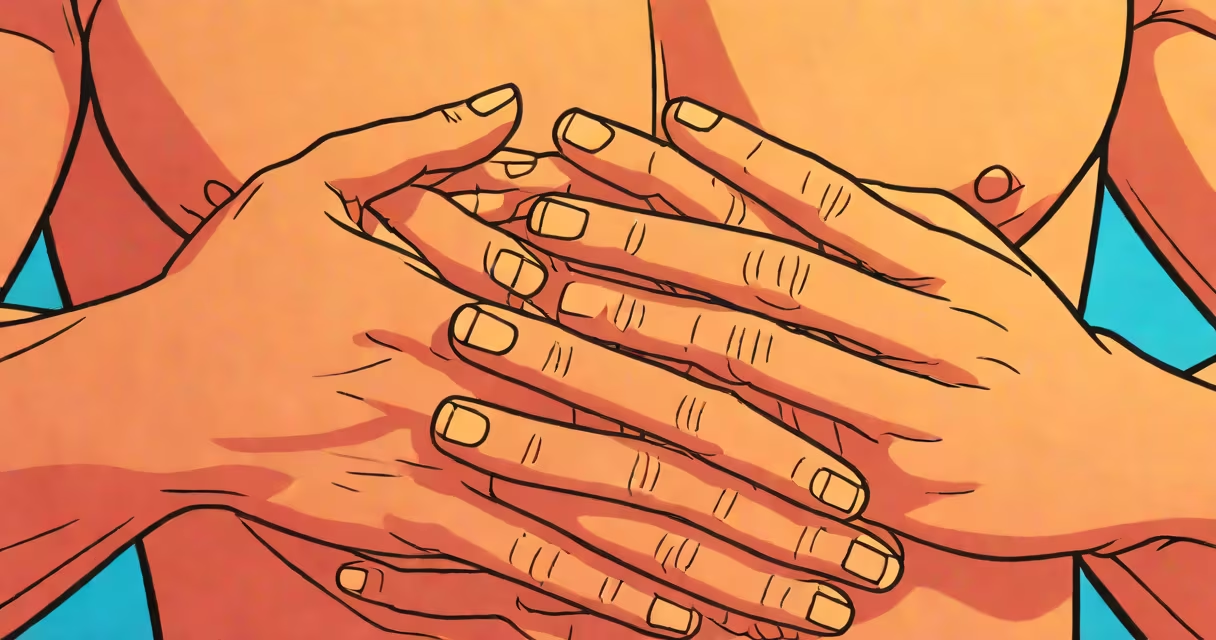
When the middle of your chest hurts specifically during movement-like bending, twisting, or taking a deep breath-it's often due to musculoskeletal issues such as costochondritis, muscle strain, or rib joint irritation. This pain typically worsens with motion and improves at rest.
Unlike heart-related chest pain, which may radiate to the arm or jaw and feel pressure-like, pain in the center of the chest triggered by movement usually stems from soft tissues, bones, or joints in the chest wall. It's common, often benign, and frequently misattributed to cardiac concerns.
According to the American College of Rheumatology, costochondritis accounts for up to 30% of non-cardiac chest pain cases seen in primary care settings. It involves inflammation of the cartilage connecting ribs to the sternum, often after minor trauma, repetitive strain, or viral infections.
Movement activates structures in the upper torso. The sternum connects to the first seven pairs of ribs via cartilage. When these joints or their surrounding tissues become inflamed or strained, physical motion stretches or compresses them, causing sharp or aching pain.
Pain from costochondritis typically localizes to the front of the chest, especially around the second to fifth ribs. It's reproducible-meaning pressing on the affected area triggers discomfort. Movements like reaching overhead, coughing, or rolling over in bed can make it worse.
A 2021 study published in Journal of Clinical Medicine found that 68% of patients with non-cardiac chest pain reported symptom onset after physical activity or posture changes, supporting that movement-related chest pain is often mechanical rather than systemic.
The most frequent cause is costochondritis-acute inflammation of the costosternal joints. Other contributors include:
These conditions differ from cardiac chest pain in timing and trigger. Heart-related pain rarely changes with position or breathing unless associated with pericarditis-a rare condition involving the sac around the heart.
Most cases resolve within days to weeks with rest, anti-inflammatory medication, and avoiding aggravating movements. However, it's critical to rule out serious causes.
Red flags requiring immediate medical evaluation include:
The American Heart Association states that chest pain lasting more than five minutes, especially with risk factors like high blood pressure, diabetes, or smoking, should prompt emergency evaluation-even if movement doesn't trigger it.
For example, a 45-year-old woman with no history of heart disease experienced sharp chest pain when turning in bed. She had no other symptoms. After a normal EKG and negative troponin test, she was diagnosed with costochondritis. Her pain improved with ibuprofen and avoiding twisting motions.
Many people assume any chest pain must be heart-related. That's a misconception. A 2020 review in BMJ Open showed that 70% of patients presenting with chest pain to emergency departments were diagnosed with non-cardiac causes-most commonly musculoskeletal or gastrointestinal.
Another error is confusing costochondritis with fibromyalgia. While both involve chronic pain, fibromyalgia causes widespread tenderness, not localized pain with palpation or movement. Costochondritis pain is pinpointed and reproducible on exam.
Some mistake this pain for acid reflux. GERD-related chest pain often occurs after eating or lying down and feels burning. Movement doesn't typically worsen it. If pain shifts with posture or eating, consider gastroesophageal causes-but if it's consistent with motion, focus on the chest wall.
Consider a 32-year-old man who reports sharp pain in the center of his chest when he lifts weights or twists to pick up groceries. He denies fever, weight loss, or fatigue. On exam, the doctor presses on the second and third costochondral junctions bilaterally-pain increases on the left side. No radiation, no shortness of breath.
Diagnostic steps:
Diagnosis: Costochondritis. Treatment: NSAIDs, activity modification, and heat. Pain resolved in 10 days.
This case illustrates how movement-specific pain, absence of systemic symptoms, and positive physical exam findings point toward musculoskeletal origin-not cardiac.
If your middle of my chest hurts when I move, start with rest and avoid activities that worsen it. Apply heat or ice. Take over-the-counter anti-inflammatories like ibuprofen if tolerated.
Seek medical evaluation if pain persists beyond 1-2 weeks, worsens, or includes any red flag symptoms. A healthcare provider may perform a physical exam, order imaging, or refer to a specialist if needed.
Understanding the difference between movement-related chest pain and cardiac events prevents unnecessary anxiety and ensures timely care when needed.