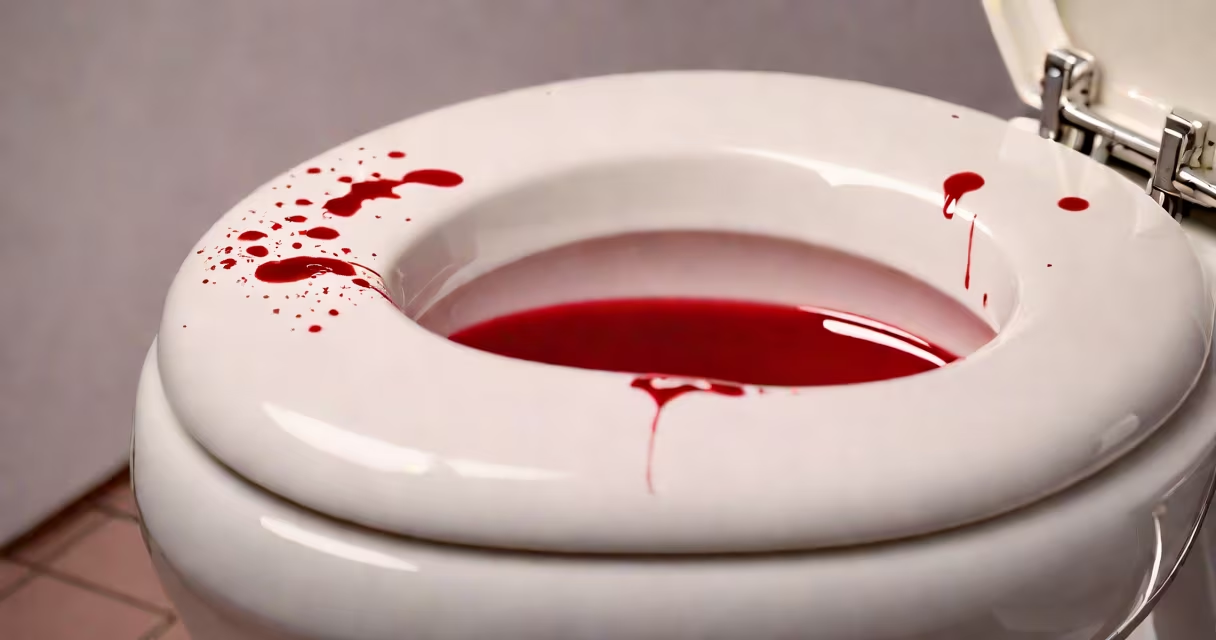
Red stuff in poop typically indicates the presence of blood in the stool, most often originating from the lower gastrointestinal tract, including the colon or rectum. This can result from conditions ranging from hemorrhoids to inflammatory bowel disease or colorectal cancer.
Blood in stool appears red when it comes from the distal colon or rectum because it hasn't had time to break down. If blood were higher in the digestive tract-such as from the stomach or small intestine-it would appear darker, often black or tarry (melena), due to digestion by gastric acids and enzymes.
When blood mixes with stool, it may look like fresh red streaks, spots, or even clots. In some cases, it's only visible under a microscope. A single episode of red stuff in poop doesn't always signal a serious problem, but persistent or recurring instances require medical evaluation.
Blood enters the stool when vessels in the lining of the rectum or lower colon rupture. Common triggers include straining during bowel movements, constipation, or irritation from infections or inflammation. Hemorrhoids-swollen veins in the anal canal-are the most frequent cause of bright red blood.
Other mechanisms include diverticulosis, where small pouches form in the colon wall and bleed; inflammatory bowel diseases such as ulcerative colitis or Crohn's disease; and polyps or tumors in the colon. These can erode into blood vessels, leading to intermittent or ongoing bleeding.
For example, a 2021 study published in Gastroenterology found that nearly 30% of patients presenting with visible rectal bleeding had either hemorrhoids or benign polyps. Only 5% had colorectal cancer, but all required colonoscopy to rule it out.
The appearance of red stuff in poop varies based on the source and amount of blood. Distinguishing features help clinicians estimate location and severity.
| Appearance | Common Source | Notes |
|---|---|---|
| Streaks or drops on stool surface | Hemorrhoids, anal fissures | Often painless; associated with straining |
| Red streaks mixed throughout stool | Diverticulosis, colitis | May occur with diarrhea or cramping |
| Clots or large amounts of blood | Polyps, cancer, severe inflammation | Requires immediate evaluation |
| Microscopic only (detected via test) | Early polyps, early cancer | Can be missed without screening |
One non-obvious fact: red stuff in poop can sometimes come from dietary sources. Beets, red food coloring, and certain berries can turn stool red. This is usually temporary and resolves within 24-48 hours. However, if blood persists after eliminating these foods, medical assessment is needed.
I once observed a patient who reported "bloody stool" for three days. After ruling out diet, we performed a flexible sigmoidoscopy. The findings showed internal hemorrhoids with active bleeding. Treatment with rubber band ligation stopped the issue within a week. This case highlights that even mild symptoms warrant confirmation-not assumption.
Red stuff in poop becomes a medical concern when it occurs regularly, is accompanied by other symptoms, or appears in high volume. Red flags include:
The American Cancer Society recommends colorectal cancer screening starting at age 45 for average-risk individuals. A fecal immunochemical test (FIT) detects hidden blood in stool and is recommended annually. If positive, a colonoscopy follows.
Even if blood is only visible occasionally, a doctor may recommend testing. According to the National Institute of Diabetes and Digestive and Kidney Diseases (NIDDK), about 1 in 10 people with visible rectal bleeding have a significant underlying condition, including cancer.
Red stuff in poop is often confused with mucus, which can appear pinkish or clear. Mucus alone doesn't indicate bleeding, but when combined with blood, it suggests inflammation or infection. Conditions like irritable bowel syndrome (IBS) can cause mucus, but not blood unless there's overlap with IBD.
Another common confusion: red urine. Blood in urine (hematuria) can mimic red stool, especially if urine drips onto toilet paper. Always check the source-urine is typically clear and flows differently than stool.
Some people mistake iron supplements or bismuth-containing medications (like Pepto-Bismol) for blood. Iron turns stool dark green or black; bismuth causes black stools. Neither is red. Red discoloration from medication is rare but possible with certain dyes.
If you notice red stuff in poop, don't ignore it. Start by reviewing your diet and medications. Eliminate beets, red dye, and certain supplements for 48 hours. If the red color remains, consult a healthcare provider.
Initial evaluation may include a physical exam, digital rectal exam, and stool tests. If blood is confirmed, further testing like colonoscopy or imaging may follow. For hemorrhoids, treatment includes fiber supplementation, topical creams, and lifestyle changes. For polyps or cancer, surgical removal is standard.
Visible blood in stool is not normal. While many causes are treatable, delaying care increases the risk of complications. Early detection through screening saves lives.