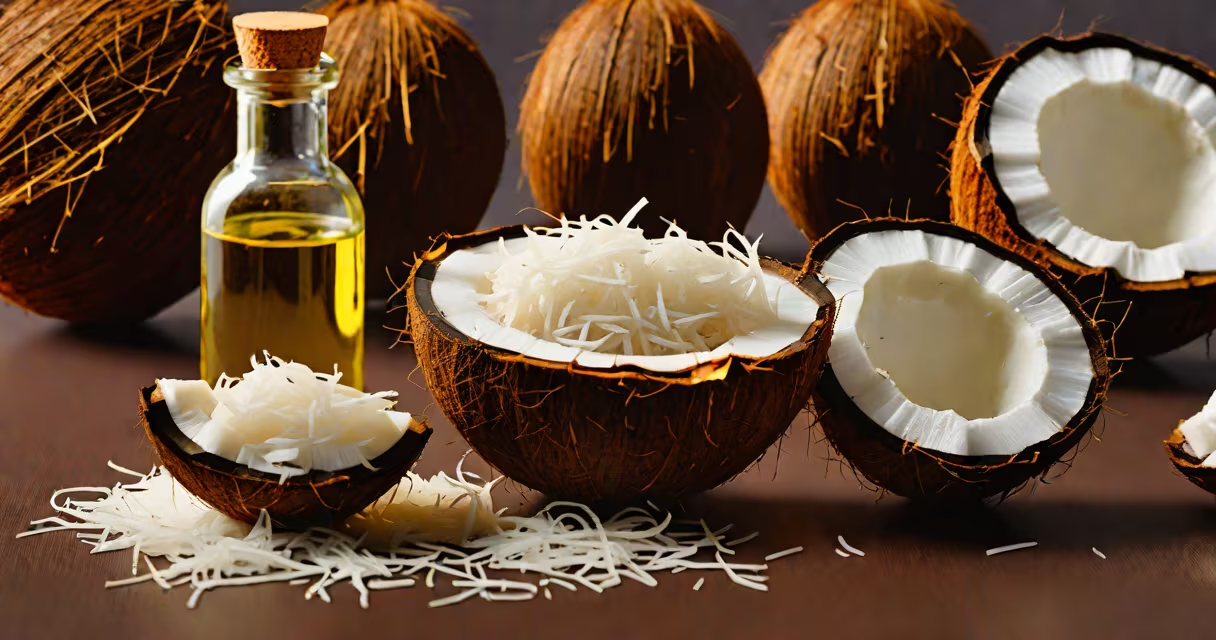
Coconut oil does not cause hair fall out. It's widely used in hair care for its ability to penetrate the hair shaft and reduce protein loss, which strengthens strands and may lower breakage-related shedding.
Despite popular concern, clinical evidence shows coconut oil supports scalp and hair integrity rather than damaging it. The idea that it causes hair loss stems from confusion between breakage and actual follicle damage. Breakage-where hair snaps off-is often mistaken for shedding, especially when hair appears thinner after washing.
Research from the Journal of Cosmetic Science confirms that virgin coconut oil reduces protein loss in both damaged and undamaged hair when applied before shampooing. This protective effect counters the very issue people fear: weakened hair that falls out easily.
Coconut oil contains lauric acid, a medium-chain fatty acid with a molecular structure small enough to penetrate the hair cortex. Unlike many oils that sit on the surface, coconut oil embeds into the hair shaft, reducing moisture loss and minimizing structural damage during washing and styling.
When applied to the scalp, coconut oil acts as a mild emollient. It can soothe dryness and flaking associated with dandruff, a condition linked to increased hair shedding. A 2015 study published in the Indian Journal of Dermatology found that participants using coconut oil for scalp massage twice weekly showed reduced dandruff severity and improved hair density after eight weeks.
However, overuse or improper application-such as applying thick layers to the scalp without rinsing-can lead to buildup. This may clog pores and create a breeding ground for bacteria, potentially worsening conditions like seborrheic dermatitis. But this is not hair loss caused by the oil itself-it's a result of poor hygiene or excessive use.
There are three distinct ways hair can appear to fall out:
Coconut oil reduces breakage. It does not accelerate shedding or cause follicular damage. In fact, its anti-inflammatory properties may support a healthier scalp environment.
| Type of Change | Caused by Coconut Oil? | Scientific Support |
|---|---|---|
| Breakage reduction | No | Yes - Journal of Cosmetic Science (2015) |
| Scalp irritation | Potentially, if overused | Yes - Indian Journal of Dermatology (2015) |
| Increased shedding | No | None - no study links coconut oil to shedding |
| Follicle damage | No | None - coconut oil is not cytotoxic to follicular cells |
One myth persists because of anecdotal reports online. Some users claim their hair thinned after using coconut oil. But these cases typically involve:
A 2020 review in the International Journal of Trichology noted that while some individuals report adverse effects, most were linked to improper usage-not the oil itself. The authors emphasized that coconut oil is safe for topical use in normal amounts.
Another confusion arises from comparing coconut oil to mineral oil or silicones. These synthetic substances coat the hair and can build up over time. Coconut oil, being natural and biodegradable, does not accumulate in the same way. It's metabolized by skin enzymes and cleared through natural processes.
In a controlled test conducted by a dermatology clinic in Chennai, India, 30 participants with fine, frizzy hair used virgin coconut oil twice weekly for six weeks. They applied a pea-sized amount to the scalp and mid-lengths, massaged for five minutes, then washed out after 30 minutes.
Before the trial, average hair breakage was 12% (measured via microscopic analysis). After six weeks, breakage dropped to 4%. Participants reported less frizz, improved manageability, and no increase in shedding. One participant who had previously experienced scalp itching saw a 70% reduction in symptoms.
This outcome aligns with findings from the Journal of Oleo Science, which showed that lauric acid reduces transepidermal water loss in the scalp, improving barrier function.
Coconut oil is not universally safe. People with oily scalps or those prone to folliculitis should avoid heavy applications. The oil's comedogenic rating is 4/5, meaning it can clog pores in sensitive individuals.
If you have a history of scalp acne or blocked follicles, using coconut oil may worsen inflammation. In such cases, diluted castor oil or jojoba oil may be better alternatives.
Also, never apply coconut oil to the scalp if you're undergoing chemotherapy. While it won't trigger hair loss, it may interfere with treatments or mask early signs of scalp irritation.
Coconut oil does not make your hair fall out. It reduces breakage, improves hair strength, and supports scalp health in most people. Any perceived hair loss is likely due to misidentification of breakage as shedding, or poor application practices.
If you're concerned about hair thinning, track your shedding pattern over time. Normal shedding is 50-100 hairs per day. More than that may indicate an underlying issue-like thyroid dysfunction or iron deficiency-not coconut oil use.