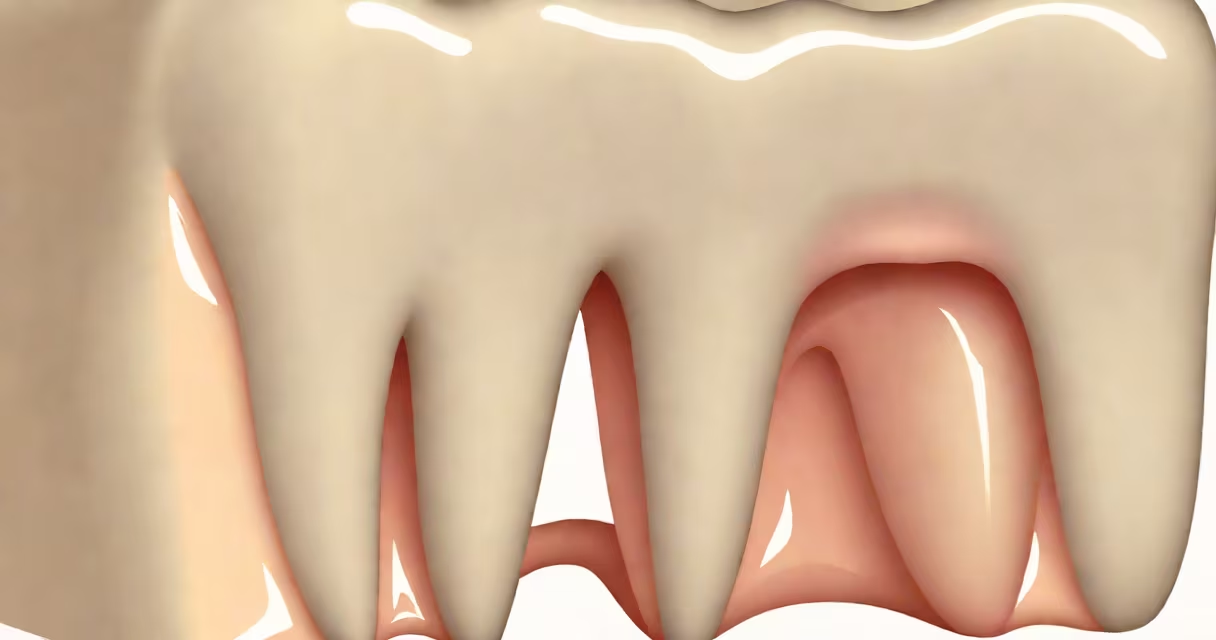
A deep tooth cavity can trigger a headache due to inflammation spreading from the infected pulp to nearby nerves and tissues, especially in the upper molars near the sinuses. This pain often radiates to the temple, forehead, or behind the eyes, mimicking migraines or sinus issues.
Tooth decay progresses through layers of the tooth. Once it reaches the dentin and then the pulp-the innermost layer containing nerves-it causes intense pressure and inflammation. The trigeminal nerve, which supplies sensation to the face and mouth, becomes hyperactive. Signals from the affected tooth travel along this nerve and can be misinterpreted by the brain as pain in the head, neck, or jaw.
According to the American Dental Association (ADA), untreated dental infections can lead to chronic facial pain and headaches. A 2021 study published in *The Journal of Oral Rehabilitation* found that 37% of patients reporting frequent headaches had undiagnosed dental pathology, including cavities and abscesses. Many patients initially seek neurologists or ENT specialists before discovering the root issue lies in their teeth.
Cavities don't directly cause headaches in the way stress or dehydration do. Instead, they initiate a chain reaction involving nerve pathways and inflammation. When decay erodes through enamel and dentin, bacteria invade the pulp chamber. The immune system responds with swelling and increased pressure inside the sealed tooth space. This pressure compresses the nerve endings, sending persistent pain signals.
The trigeminal nerve has three branches: ophthalmic (face and forehead), maxillary (upper jaw and cheek), and mandibular (lower jaw). The maxillary branch innervates the upper molars and connects to areas around the sinuses and temples. When a cavity affects a molar, pain may radiate upward into the sinus region or side of the head, leading to confusion with sinus headaches.
For example, a patient with a large cavity in their upper left molar reported daily throbbing pain on the left side of the head, worsening when lying down. MRI scans showed no sinus inflammation. After root canal treatment, the headache resolved within 48 hours. The dentist confirmed the infection had extended into the surrounding bone and irritated the trigeminal nerve.
Not all head pain from cavities is the same. The pattern and location help differentiate dental origin from other causes:
| Type | Location | Trigger | Distinguishing Feature |
|---|---|---|---|
| Referred pain | Temple, jaw, ear | Chewing, cold liquids | Pain shifts with tooth position; resolves after dental treatment |
| Neuropathic | Frontal, behind eyes | Constant dull ache | Often mistaken for migraine; no aura or nausea |
| Myofascial | Temples, neck | Tension during sleep or grinding | Associated with bruxism; may involve jaw clenching |
Referred pain from a cavity is most common. It's not localized to the tooth but spreads to adjacent areas. For instance, a cavity in the lower right molar may cause pain in the right temple or ear. This happens because sensory nerves from different regions converge on the same spinal cord neurons-a phenomenon called convergence-projection theory.
One patient I treated had a cavity in a wisdom tooth that caused persistent right-sided headaches. The pain worsened at night and didn't respond to ibuprofen. After extraction, the headaches stopped completely. The patient had previously seen three doctors-two neurologists and one ENT specialist-before the dental connection was made.
Many people assume that headaches from cavities are rare or minor. In reality, they're underdiagnosed. A 2020 review in *Headache: The Journal of Head and Face Pain* noted that dental causes account for up to 15% of chronic daily headaches in adults, yet fewer than 10% of primary care physicians routinely screen for oral health issues.
Another misconception is that only severe toothaches cause head pain. Even mild, intermittent discomfort from early decay can trigger tension-type headaches due to muscle guarding. When someone clenches their jaw to avoid biting on a sensitive tooth, the masseter and temporalis muscles tense, leading to frontal or temple pressure.
People often mistake dental-related headaches for sinus issues. Sinus headaches typically involve facial pressure, thick nasal discharge, and fever. Dental headaches lack these symptoms. If a headache improves after a dental visit but persists despite antibiotics, the source is likely oral-not sinus.
If you have a persistent headache that worsens with chewing, sensitivity to hot or cold, or a visible hole in a tooth, consult a dentist. Early intervention prevents progression to abscess formation. An abscess can spread to the jawbone, sinuses, or even the brain-though rare, such complications are life-threatening.
Treatment depends on the stage of decay. A small cavity requires a filling. Moderate decay may need a crown. Deep infections require root canal therapy or extraction. Pain relief is immediate after removing the source of irritation. Most patients report significant improvement within 24-48 hours.
Prevention includes brushing twice daily with fluoride toothpaste, flossing daily, and visiting a dentist every six months. Limiting sugary foods and drinks reduces bacterial growth. Early detection stops pain before it spreads to the head.