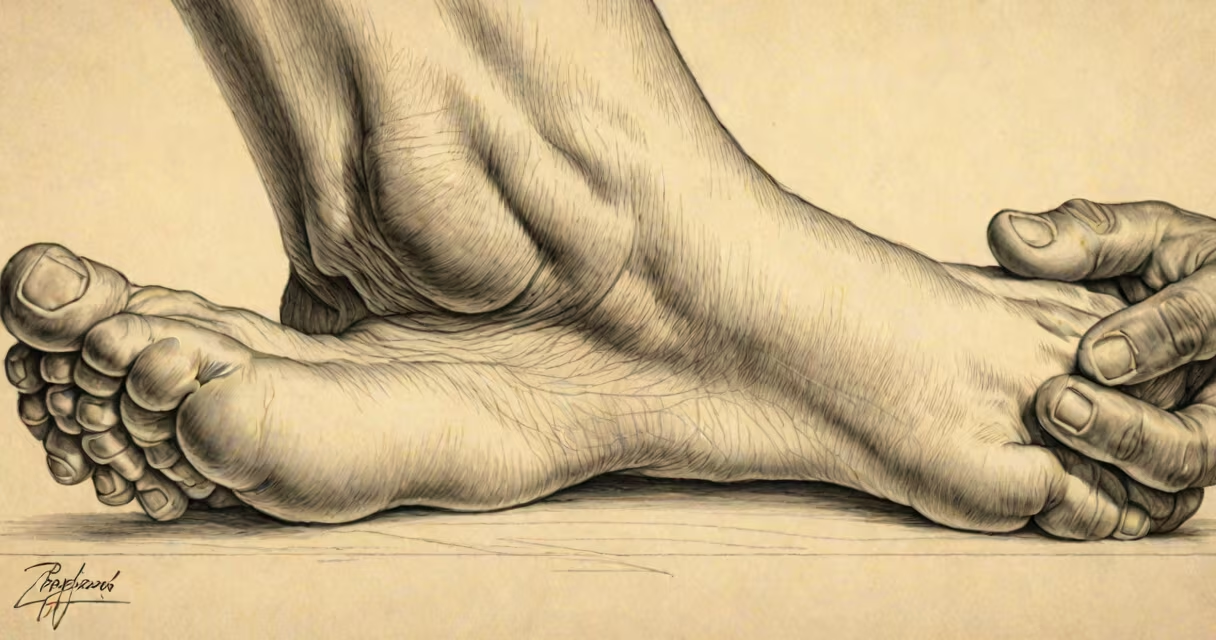
Leg foot pain causes refer to physical conditions, injuries, or systemic issues that produce discomfort in the foot or lower leg. These range from mechanical strain to neurological dysfunction and often stem from overuse, poor footwear, or underlying health problems.
Foot and lower leg pain typically arises from structures like tendons, ligaments, bones, nerves, or blood vessels. Pain may manifest as sharp, dull, throbbing, or burning sensations depending on the root cause. Common sites include the heel, arch, ball of the foot, and calf muscles.
Accurate diagnosis requires identifying whether pain stems from soft tissue, skeletal, vascular, or neurological sources. Misdiagnosis is frequent-many assume foot pain is due to flat feet or worn shoes when it may signal diabetes-related neuropathy or a stress fracture.
Pain signals originate in nociceptors-nerve endings in skin, muscle, bone, and connective tissue-when they detect damage or abnormal stress. Signals travel via spinal cord pathways to the brain, which interprets them as pain. This process is automatic and protective.
For example, plantar fasciitis develops when repetitive strain damages the thick band of tissue running along the bottom of the foot. Microtears form under load, triggering inflammation and localized pain, especially with first steps in the morning. The condition affects 10% of runners annually, according to the American Academy of Orthopaedic Surgeons (AAOS).
Nerve-related causes involve entrapment or irritation. Tarsal tunnel syndrome, analogous to carpal tunnel in the wrist, occurs when the posterior tibial nerve compresses near the ankle. Symptoms include burning, tingling, or numbness along the inner foot and arch, often worsening with prolonged standing.
Conditions causing leg foot pain fall into several categories based on anatomy and mechanism:
| Type | Key Causes | Typical Symptoms | Prevalence |
|---|---|---|---|
| Soft tissue | Plantar fasciitis, Achilles tendinitis | Heel or arch pain, stiffness after rest | 1 in 10 adults report plantar fasciitis symptoms yearly (CDC) |
| Nerve compression | Tarsal tunnel syndrome, Morton's neuroma | Burning, numbness, shooting pain between toes | Morton's neuroma affects ~1% of adults, mostly women aged 40-60 (Journal of Foot and Ankle Surgery) |
| Bone/structural | Stress fractures, flat feet, bunions | Dull ache, swelling, pain with weight-bearing | Stress fractures occur in 5-10% of runners each year (British Journal of Sports Medicine) |
| Vascular | Peripheral artery disease (PAD), blood clots | Calf cramping during walking, cold feet, slow-healing wounds | PAD affects 8.5 million U.S. adults; 1 in 3 with PAD have no symptoms (American Heart Association) |
One non-obvious distinction: plantar fasciitis pain usually peaks in the morning and eases with movement, while nerve compression pain worsens with activity and may persist at rest. This difference helps differentiate mechanical from neurological sources.
Another overlooked factor is footwear. A 2022 study in *Foot & Ankle International* found that wearing shoes with less than 10 mm of heel drop increased plantar fascia strain by 23% compared to shoes with 12-15 mm drop. This subtle design choice influences injury risk.
High-impact activities like running, jumping, or prolonged standing increase mechanical stress on foot structures. Repetitive microtrauma leads to inflammation and tissue breakdown. For example, a runner logging 50 miles per week without proper recovery is at high risk for stress fractures in the metatarsals or calcaneus.
Systemic diseases also contribute. Diabetes can cause peripheral neuropathy, leading to reduced sensation and altered gait patterns. Over time, this increases pressure on foot areas, raising the risk of ulceration and infection. The CDC reports that 15% of people with diabetes develop foot ulcers, many resulting from undetected nerve damage.
Occupational factors matter too. Factory workers standing 8 hours daily on hard surfaces face elevated rates of plantar fasciitis and heel spurs. A 2021 occupational health review linked prolonged static standing to a 40% higher incidence of chronic foot pain.
Many assume foot pain is due to "flat feet" or "bad shoes." While both can contribute, they're rarely the sole cause. For instance, a patient with persistent arch pain was initially diagnosed with fallen arches. Imaging revealed a stress fracture in the navicular bone-common in athletes but easily missed without MRI.
Another frequent error: confusing cramps with nerve compression. Cramps in the calf or foot often result from dehydration, electrolyte imbalance, or muscle fatigue. But when cramping happens at night or recurs despite hydration, it may indicate restless legs syndrome or lumbar radiculopathy. The Journal of Neurology notes that 30% of nocturnal leg cramps are linked to spinal nerve root irritation, not muscle fatigue.
I once treated a construction worker whose foot pain worsened after long shifts. He wore orthotics and avoided high heels. After a month of conservative care, pain persisted. An EMG confirmed tarsal tunnel syndrome. Removing the compression resolved symptoms within six weeks. This case shows that symptom location alone doesn't reveal the cause.
A 45-year-old woman reports sharp heel pain when stepping out of bed. She walks normally after 10 minutes but feels stabbing pain again after sitting for 30 minutes. She wears low-heel shoes and runs twice weekly.
Initial assessment suggests plantar fasciitis. She uses a night splint and performs calf stretches. After two weeks, pain improves slightly but returns with activity. An ultrasound confirms thickening of the plantar fascia (≥4 mm) and fluid around the tendon insertion.
Further evaluation reveals tightness in the gastrocnemius muscle and reduced ankle dorsiflexion. She begins a targeted stretching program and modifies her running form. Within eight weeks, pain resolves completely.
This case illustrates that while plantar fasciitis is common, success depends on addressing biomechanical contributors-not just treating the site of pain.
Understanding leg foot pain causes begins with tracking pain patterns: timing, location, duration, and triggers. Ignoring recurring foot pain risks progression to chronic disability. Early intervention improves outcomes.