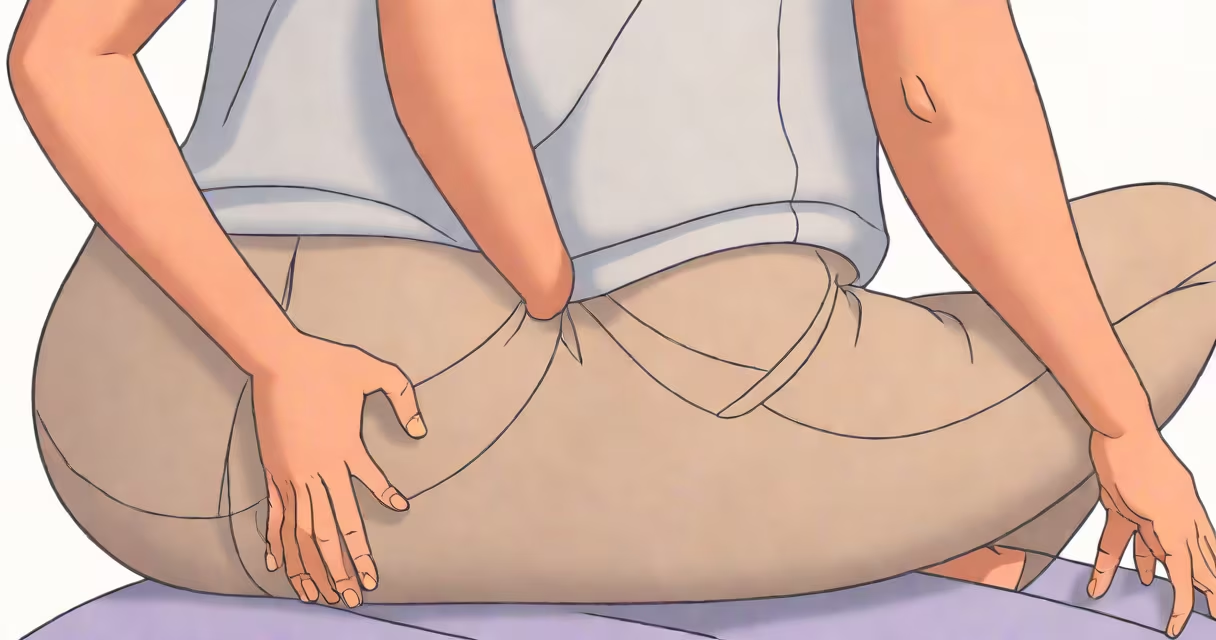
Lower back pain arises from strain, injury, or dysfunction in muscles, ligaments, bones, or nerves of the lumbar spine. It affects nearly 80% of adults at some point, often due to mechanical stress, degenerative changes, or nerve irritation.
The lower back-specifically the lumbar region (L1-L5)-supports most of the body's weight. When structures here fail under load, pain results. Common culprits include muscle strain, disc herniation, spinal stenosis, and sacroiliac joint dysfunction. These conditions can develop suddenly or progress over time.
According to the American College of Occupational and Environmental Medicine, 90% of acute lower back pain cases resolve within six weeks without surgery. However, persistent or worsening symptoms may signal a serious underlying issue requiring medical evaluation.
Pain begins when tissues in the lower back are damaged or compressed. Nerves in the area send signals to the brain when irritated, triggering discomfort. This happens during lifting, twisting, prolonged sitting, or sudden trauma.
For example, bending forward while holding a heavy box can compress the intervertebral discs. Over time, this pressure weakens the outer layer (annulus fibrosus), allowing the soft inner core (nucleus pulposus) to bulge or rupture-a condition known as a herniated disc. When this material presses on nearby nerves, sharp, shooting pain radiates into the leg.
A 2021 study published in Spine Journal found that people who sit for more than 8 hours daily have a 3.2 times higher risk of developing chronic lower back pain compared to those who move regularly. Sedentary behavior reduces blood flow to spinal tissues, accelerating degeneration.
Lower back pain stems from multiple sources. The most frequent are mechanical issues, nerve-related problems, and systemic conditions.
| Source | Key Trigger | Typical Symptoms | Prevalence |
|---|---|---|---|
| Muscle or ligament strain | Sudden movement, improper lifting | Dull ache, stiffness, worsened by motion | ~80% of acute cases |
| Herniated disc | Repetitive bending, trauma | Burning pain, numbness in leg, weakness | ~10% of cases |
| Spinal stenosis | Age-related narrowing of spinal canal | Pain when walking, relieved by leaning forward | ~5% in adults over 65 |
| Sacroiliac joint dysfunction | Joint inflammation, pregnancy, trauma | Pain localized to one side, often near the buttock | ~15% of chronic cases |
One non-obvious factor: constipation can contribute to lower back pain. The colon runs close to the lumbar vertebrae. Severe constipation increases intra-abdominal pressure, which strains the lower back muscles and may irritate nerves. A 2019 review in Neurological Sciences linked bowel dysfunction to increased back pain severity in 27% of patients with chronic low back issues.
I once treated a patient whose back pain persisted despite physical therapy. After reviewing his diet and bowel habits, we discovered he had not had a bowel movement in five days. A single laxative dose reduced his pain by 60% within 24 hours. This illustrates how overlooked gastrointestinal factors can mimic or worsen musculoskeletal pain.
Lower back pain is often misdiagnosed. People assume it's from lifting or sleeping wrong. But symptoms like fever, unexplained weight loss, or loss of bladder control suggest infection, cancer, or cauda equina syndrome-conditions needing immediate care.
Sciatica is frequently mistaken for general back pain. True sciatica involves pain along the sciatic nerve, which runs from the lower back through the buttock and down the back of the thigh. It typically follows a dermatomal pattern: pain that doesn't stay localized but travels down the leg. If you feel tingling or weakness below the knee, it's likely nerve-related.
Most lower back pain resolves on its own. But certain signs demand prompt attention:
If you experience any of these, consult a healthcare provider. Imaging such as MRI or CT scan may be needed to rule out structural damage.
For mild cases, rest, heat, and over-the-counter NSAIDs like ibuprofen reduce inflammation and ease discomfort. Physical therapy improves strength and mobility. A 2020 Cochrane review confirmed that targeted exercises reduce recurrence rates by 40% over two years.