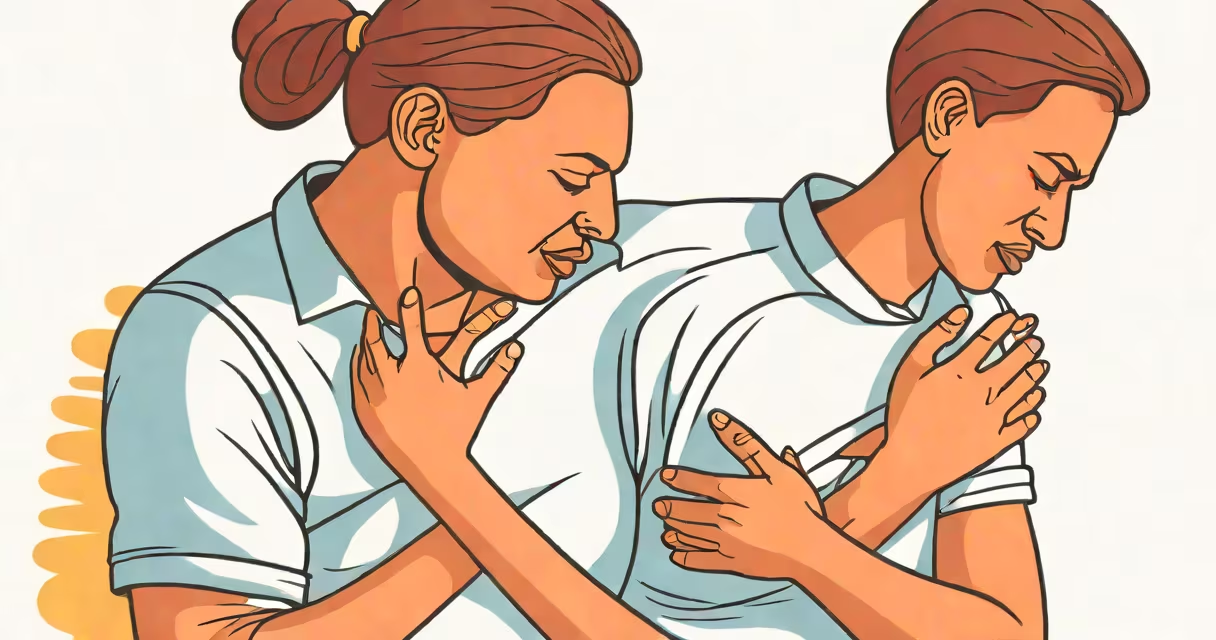
Bad heartburn occurs when stomach acid flows backward into the esophagus, causing a burning sensation behind the breastbone. This happens due to a weakened lower esophageal sphincter (LES), which normally prevents acid from rising. Persistent or severe episodes may signal gastroesophageal reflux disease (GERD).
The lower esophageal sphincter acts as a valve between the stomach and esophagus. Normally, it opens to let food pass and closes tightly afterward. When it fails to close properly or relaxes too often, acid escapes upward. The esophagus lacks the protective lining that the stomach has, so acid irritates the tissue, leading to pain.
According to the American College of Gastroenterology, about 60 million Americans experience heartburn at least once a month, and 15 million have it daily. Chronic heartburn is not just uncomfortable-it increases the risk of Barrett's esophagus, a precancerous condition.
Diet plays a major role. Spicy, fatty, or acidic foods such as tomatoes, citrus, chocolate, and coffee can relax the LES and increase acid production. Eating large meals or lying down within two hours of eating forces acid upward due to gravity and pressure changes.
Other contributors include smoking, alcohol consumption, obesity, and certain medications. Proton pump inhibitors (PPIs), used for acid reduction, can paradoxically worsen reflux in some cases when stopped abruptly. Antidepressants, blood pressure drugs, and NSAIDs like ibuprofen also impair LES function.
A 2021 study published in Gastroenterology found that 38% of patients with frequent heartburn had delayed gastric emptying-a condition where food stays in the stomach longer than normal. This prolongs exposure to acid and raises reflux risk.
Persistent bad heartburn can mimic symptoms of cardiac events. Chest pain from acid reflux often feels similar to angina, especially when lying down or bending over. The National Heart Attack Alert Program warns that misdiagnosing reflux as a heart attack can delay treatment.
True heartburn typically lasts 15 to 30 minutes and improves with antacids. However, if pain lasts longer than an hour, radiates to the jaw or arm, or is accompanied by sweating, dizziness, or shortness of breath, seek emergency care immediately. These signs suggest a possible heart issue, not reflux.
I once saw a patient who'd dismissed his chest tightness as "just heartburn" for six months. He was later diagnosed with stable angina. His story underscores why distinguishing between reflux and cardiac pain matters-not just for comfort, but survival.
Reflux disorders fall into categories based on frequency and severity:
| Type | Frequency | Underlying Condition | Typical Symptoms |
|---|---|---|---|
| Occasional heartburn | Less than weekly | Transient LES relaxation | Burning behind sternum after meals |
| Recurrent heartburn | Weekly or more | GERD (gastroesophageal reflux disease) | Regurgitation, hoarseness, chronic cough |
| Nocturnal reflux | During sleep | Hiatal hernia, delayed gastric emptying | Waking up with sour taste, choking sensation |
GERD is diagnosed when heartburn occurs at least twice a week and doesn't resolve with over-the-counter remedies. The Rome Foundation estimates that 10-20% of adults in the U.S. meet diagnostic criteria for GERD.
Non-acid reflux is less common but significant. Some people experience heartburn without high acid levels. This is linked to impaired esophageal motility or hypersensitivity of the esophageal nerves. These cases don't respond well to PPIs and require different management strategies.
Seek medical evaluation if heartburn persists despite lifestyle changes or over-the-counter treatments. Red flags include difficulty swallowing (dysphagia), unexplained weight loss, vomiting blood, or black stools-signs of bleeding or esophageal narrowing.
Endoscopy is the gold standard for diagnosing complications. A 2020 review in Alimentary Pharmacology & Therapeutics showed that endoscopy detected erosive esophagitis in 45% of patients with chronic heartburn, while 30% had Barrett's esophagus.
If you're experiencing frequent bad heartburn, consider keeping a symptom diary. Track meal times, foods consumed, posture, and timing of pain. This helps doctors identify patterns and rule out non-gastrointestinal causes.
Start with small behavioral changes. Eat smaller, more frequent meals. Avoid eating within three hours of bedtime. Improve the head of your bed by 6-8 inches using blocks or a wedge pillow. Avoid tight clothing around the waist.
Limit alcohol and quit smoking. Both reduce LES pressure and impair saliva's ability to neutralize acid. Weight loss of just 5-10% can improve symptoms in overweight individuals, according to the NIH.
Over-the-counter antacids like calcium carbonate or magnesium hydroxide provide quick relief. H2 blockers (e.g., famotidine) reduce acid production for up to 12 hours. PPIs (e.g., omeprazole) are stronger and taken daily for 4-8 weeks. They're effective but not meant for long-term use without monitoring.
For those whose symptoms persist despite these measures, a doctor may recommend a pH probe test or manometry to assess esophageal function. Surgery like fundoplication is reserved for severe cases unresponsive to medication.
Many assume heartburn is purely diet-related. While food is a trigger, it's not the root cause. The issue lies in the coordination between the LES, stomach, and esophagus. A person can eat healthy foods and still suffer from reflux due to anatomical or neurological factors.
Another myth is that heartburn always means excess acid. Some patients have normal acid levels but still feel burning. This is called non-erosive reflux disease (NERD), affecting nearly half of all reflux sufferers. Treatment focuses on improving esophageal sensitivity and motility, not reducing acid.
Finally, heartburn isn't just an adult problem. Children can develop it, especially those with hiatal hernias or neurological conditions. Pediatric gastroenterologists emphasize that symptoms in infants-such as frequent spitting up, irritability during feeding, or poor weight gain-shouldn't be dismissed as normal.
Understanding why you're getting bad heartburn begins with recognizing it's not just a stomach issue-it's a system failure involving multiple organs and behaviors. Addressing the root cause, not just the symptom, leads to lasting relief.